Supreme Court Set to Review Key Trump Immigration Policies
The high court will weigh in on asylum restrictions, mandatory detention, and third-country removals in a series of critical upcoming rulings.
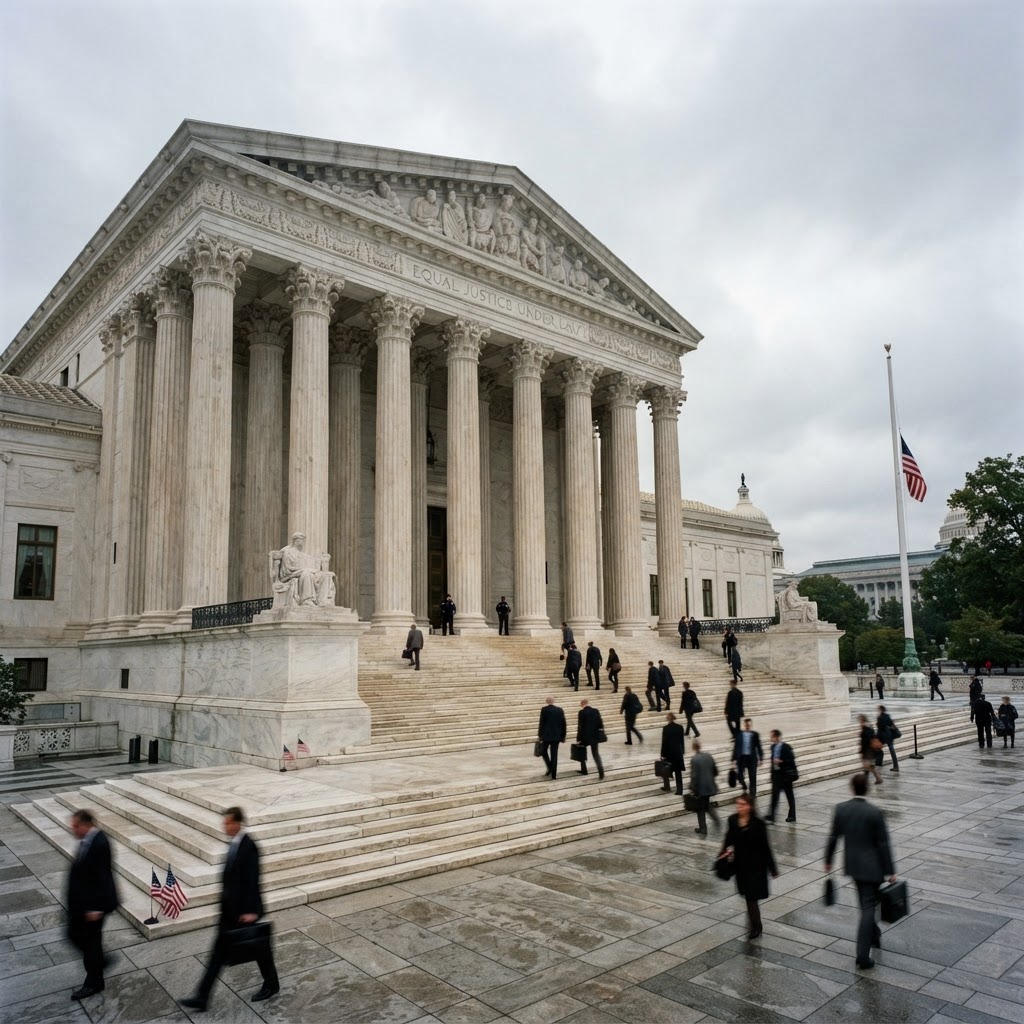
The U.S. Supreme Court is preparing to address several high-stakes legal challenges that could fundamentally reshape the federal government's approach to immigration. As the administration seeks to solidify its enforcement strategies, the justices are scheduled to review policies that have drawn intense scrutiny from civil rights advocates and legal experts alike. These upcoming decisions are expected to have a lasting impact on how the United States manages its borders and handles individuals seeking protection.
Among the most significant cases on the docket is a challenge to the administration's asylum ban, which effectively suspends the ability of migrants to seek protection at the southern border. While lower courts previously ruled the policy unlawful, the Supreme Court has agreed to hear the government's appeal. The justices will examine whether the executive branch possesses the authority to unilaterally override established congressional statutes regarding asylum claims, with arguments anticipated in the spring of 2027.
In addition to the asylum dispute, the court is set to evaluate the administration's expansion of mandatory detention. This policy has allowed the Department of Homeland Security to significantly increase the number of arrests, targeting not only recent border crossers but also individuals who have resided within the country for years. Critics argue this interpretation of federal law is unprecedented, while the government maintains it is simply adhering to existing legislative mandates.
Another critical issue involves the practice of third-country removals, where migrants are deported to nations other than their home countries. Legal challenges have highlighted concerns that these removals often occur without adequate assessment of potential human rights risks or persecution in the destination countries. The court is scheduled to hear arguments on this matter in December, marking a pivotal moment for the administration's broader enforcement agenda.
As these cases move forward, the outcomes will likely determine the future of the administration's most controversial immigration initiatives. With decisions expected by late June, the Supreme Court's rulings will serve as the final word on whether these executive actions align with federal law, potentially altering the landscape of U.S. immigration policy for years to come.
RELATED DISPATCHES


Discussion (0)
No comments yet. Be the first to join the discussion.