SOCAN Initiates Legal Action Against AI Platform Suno
Canada's primary music rights organization alleges that Suno's AI generator unlawfully replicates copyrighted works without compensation.
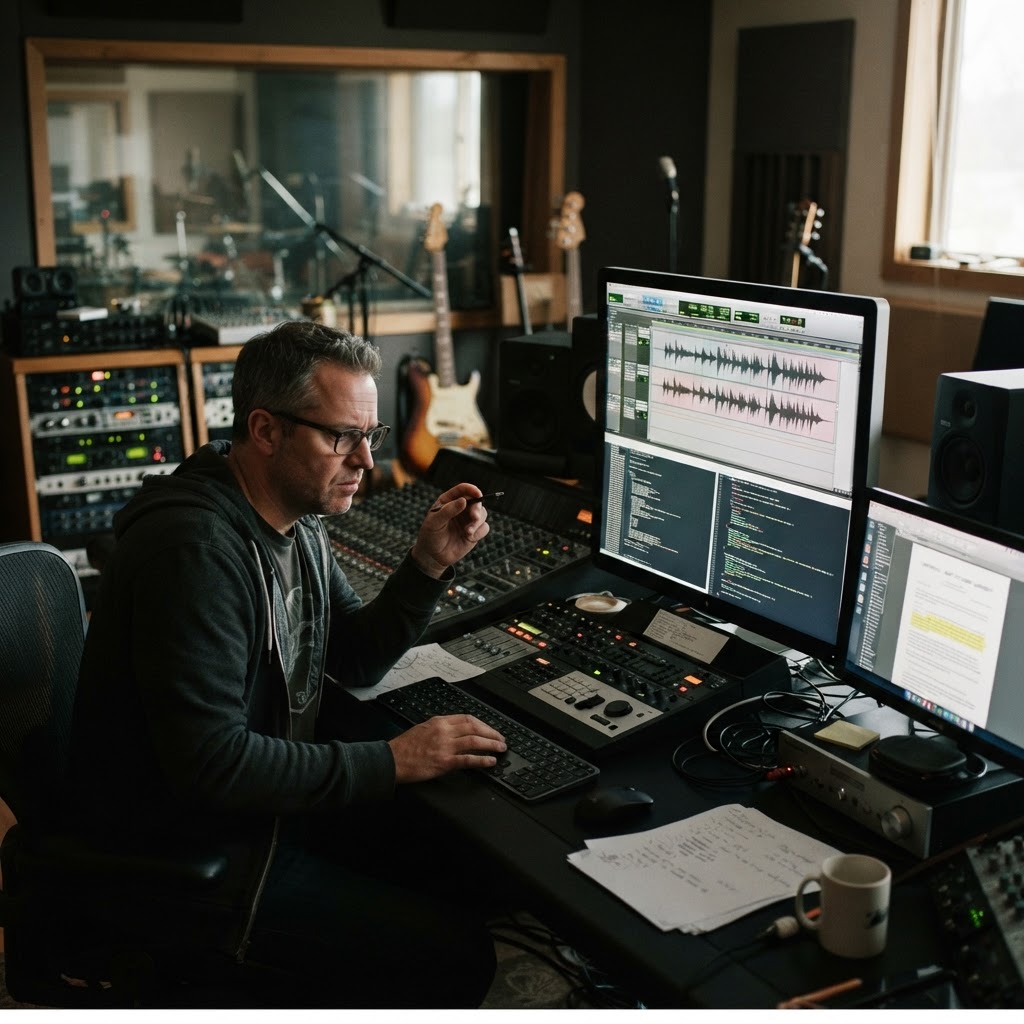
The Society of Composers, Authors and Music Publishers of Canada (SOCAN) has officially launched a lawsuit against the U.S.-based artificial intelligence firm Suno. The legal action, filed in early September 2026, contends that the company’s generative AI platform has been producing and streaming musical outputs that mirror protected works within the SOCAN repertoire without obtaining the necessary licenses or providing payment to creators.
Representing over 200,000 songwriters, composers, and music publishers, SOCAN argues that Suno built its generative models by training them on a vast array of internet-accessible music files. The organization claims this process was conducted without the consent of the original rights holders. According to the filing, the platform is capable of creating content that is either identical or substantially similar to existing, copyrighted songs.
To support its allegations, SOCAN has presented a sample of 150 specific AI-generated outputs that it claims infringe upon the rights of its members. The list of impacted tracks includes well-known Canadian hits such as Avril Lavigne’s “Sk8er Boi,” Tom Cochrane’s “Life is a Highway,” Joni Mitchell’s “Both Sides Now,” and Nickelback’s “Photograph.”
Andrea Kokonis, SOCAN’s chief legal officer, emphasized that the organization is not inherently opposed to technological advancement. She noted that many musicians are early adopters of new tools, but stressed that creators must be fairly compensated when their intellectual property is utilized. The lawsuit serves as a warning to AI developers that there are legal repercussions for bypassing copyright protections.
Through this litigation, SOCAN is seeking a permanent injunction to halt the alleged infringement, alongside financial damages and a portion of the profits Suno has accrued from its operations. As the case proceeds, it highlights the growing tension between the rapid evolution of generative AI and the established rights of human artists in the digital age.
RELATED DISPATCHES
Discussion (0)
No comments yet. Be the first to join the discussion.