Smaller Tankers Sustain Hormuz Oil Flows Amid Security Crisis
Suezmax and Aframax vessels are increasingly filling the gap left by supertankers targeted in regional maritime conflicts.
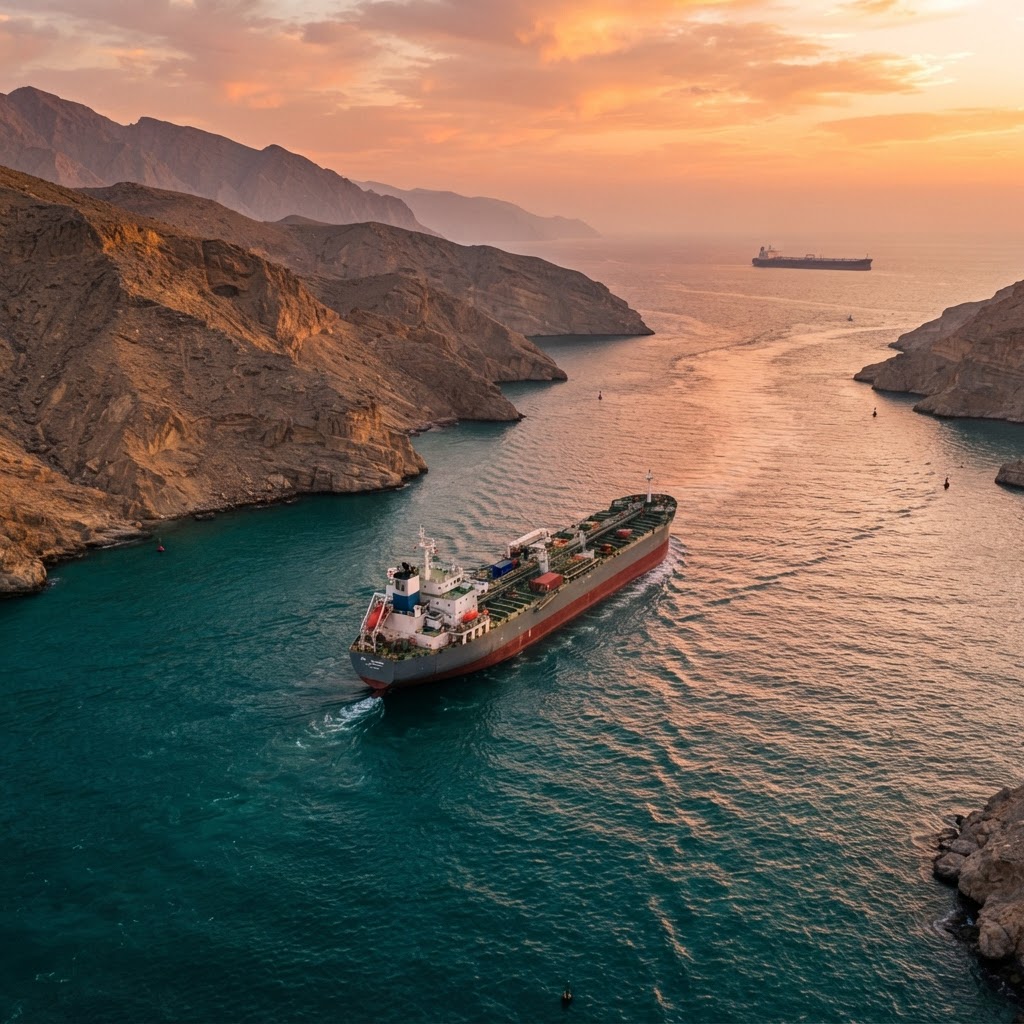
As the ongoing conflict in the Persian Gulf continues to threaten maritime security, the energy industry is adapting by shifting its reliance toward smaller tanker vessels. Data from October indicates that Suezmax and Aframax ships are now transporting a record volume of crude through the Strait of Hormuz, reaching over 2 million barrels per day. This strategic pivot has helped push total daily regional exports to approximately 11.4 million barrels, the highest level recorded since the hostilities began in February.
The shift is primarily a response to the heightened risk environment for Very Large Crude Carriers (VLCCs). These massive vessels, which typically dominate the trade, have become frequent targets for attacks, leading to a reduction in their operational availability. By utilizing smaller ships—which carry less than half the capacity of a standard supertanker—traders and shippers are successfully maintaining the flow of oil from key producers like Iraq, Kuwait, and Qatar.
Operational logistics have also evolved to accommodate this change. Many of these smaller tankers now engage in ship-to-ship transfers in the Gulf of Oman, moving crude from shuttle vessels onto larger carriers for long-haul transport. Alternatively, some ships are sailing directly to regional ports, particularly in India. While this method is more time-consuming than traditional direct shipping, it has proven essential for bypassing the bottlenecks created by the scarcity of available supertankers.
Beyond security concerns, the use of smaller vessels offers a cost-effective alternative to the soaring freight rates associated with larger tankers. Although the logistics of the shuttle trade are complex and susceptible to delays, the industry's ability to consolidate and reroute shipments has provided a vital lifeline for global energy supplies. However, experts warn that the sustainability of these flows remains fragile, as the continued arrival of empty vessels to collect cargo is essential to prevent future supply disruptions.
RELATED DISPATCHES


Discussion (0)
No comments yet. Be the first to join the discussion.