Shifting Tides: White Working-Class Voters Lean Left in Midterms
Economic anxieties and foreign policy concerns drive a notable realignment among a key demographic.

In a surprising turn during the recent midterm elections, a significant segment of white, working-class voters—a group previously considered a bedrock of the Republican base—moved toward the Democratic Party. This demographic, which represents a substantial portion of the electorate, appears to have recalibrated its political allegiances in response to pressing domestic and international challenges. Analysts suggest that this shift marks a departure from the trends observed during the height of the Trump era.
At the heart of this transition is a heightened focus on standard of living and economic stability. Many voters expressed deep frustration over the rising costs of essential goods, such as fuel and groceries. While some had previously looked to Republican leadership to rectify these financial burdens, the persistence of inflation and the impact of specific trade policies, including tariffs, led many to reconsider their support for the G.O.P. in favor of Democratic candidates who emphasized economic relief.
Foreign policy also played a pivotal role in shaping voter sentiment. The ongoing conflict in Iran emerged as a significant point of concern, influencing how individuals in key swing states viewed national leadership and global stability. Candidates who successfully framed their platforms around the direct connection between international instability and domestic economic hardship found greater resonance with these voters than those who relied on traditional partisan rhetoric.
Furthermore, the effectiveness of Democratic messaging appears to have evolved. In several high-profile contests, candidates made deliberate efforts to connect with working-class concerns by highlighting the divide between the interests of everyday laborers and the wealthy elite. By focusing on tangible policy disputes rather than purely cultural grievances, these campaigns managed to break through long-standing political barriers.
Whether this leftward movement represents a permanent realignment or a temporary reaction to current events remains a subject of intense debate among political scientists. While the Republican coalition is no longer as monolithic as it once was, the long-term durability of these Democratic gains will likely depend on the party's ability to deliver on its promises regarding economic security and to maintain a focus on the priorities of the working class.
RELATED DISPATCHES
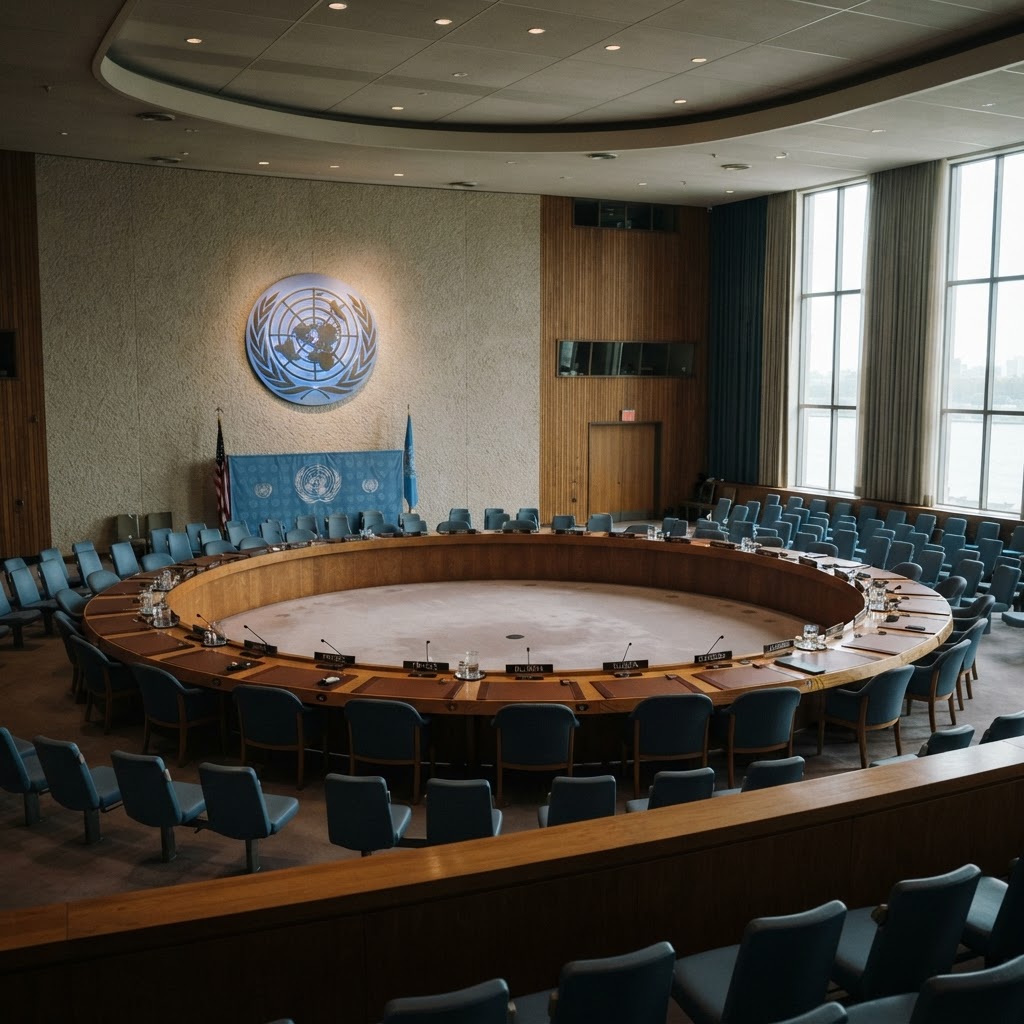
Global Powers Navigate Uncertain Path to Select Next UN Chief
45 minutes 26 seconds ago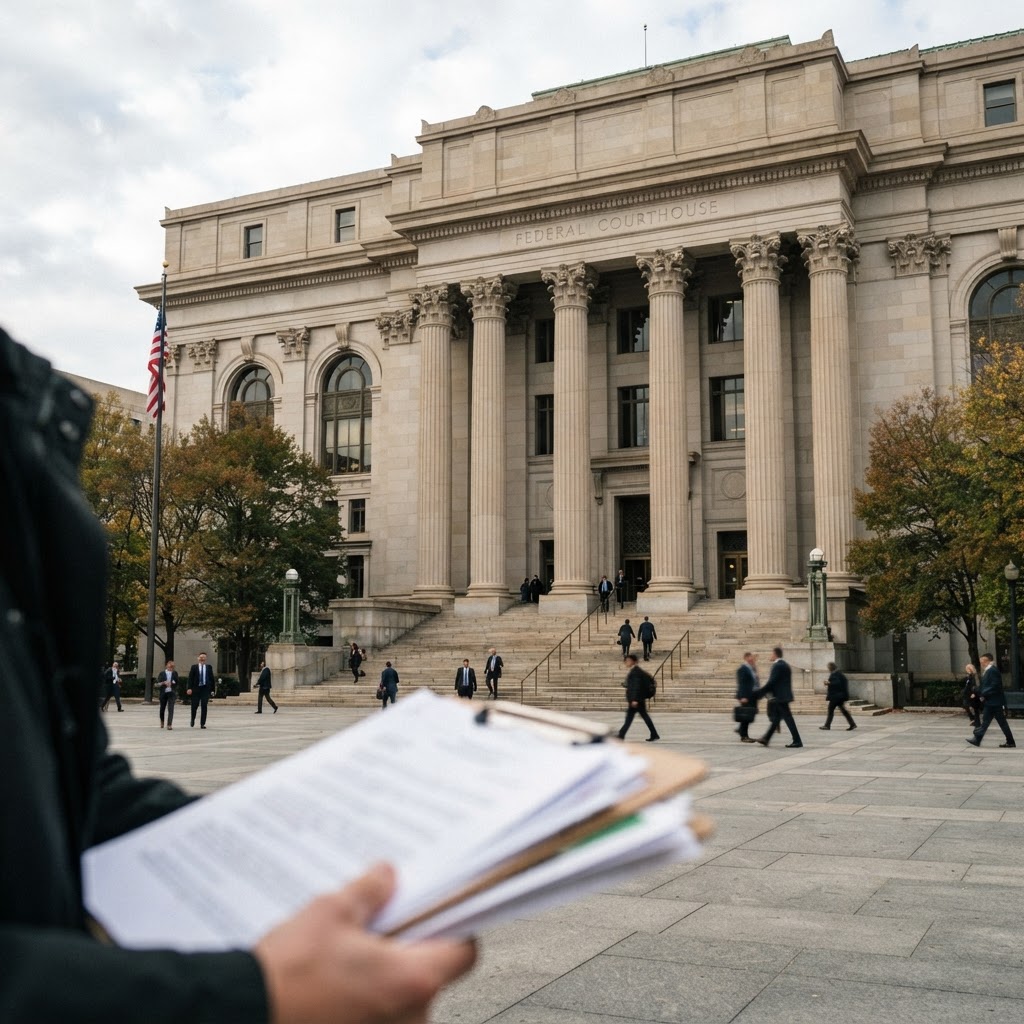
Justice Department Intervenes in Texas Medicaid Fraud Case Against Planned Parenthood
45 minutes 35 seconds ago
GOP Presidential Hopefuls Pivot Following Midterm Setbacks
2 hours 43 minutes agoDiscussion (0)
No comments yet. Be the first to join the discussion.