Senate Democrats Grapple with Leadership Uncertainty Following Midterm Success
Despite significant electoral gains, Senator Chuck Schumer faces mounting internal pressure and calls for a change in party leadership.
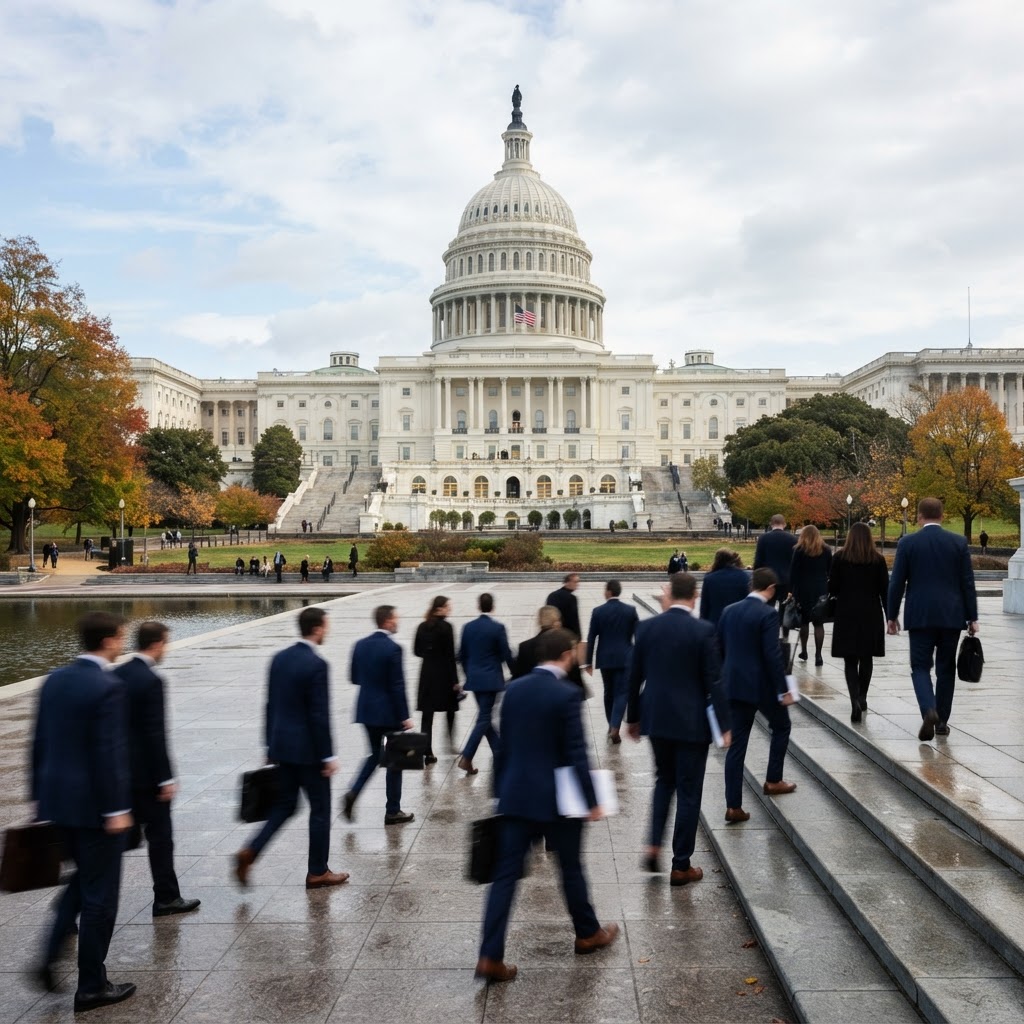
Following a historic performance in the 2026 midterm elections, the Democratic Party finds itself navigating an unexpected internal conflict regarding its future direction in the Senate. While the party successfully secured a majority, Senate Leader Chuck Schumer is encountering vocal resistance from a faction of incoming lawmakers who are questioning his continued tenure at the helm of the caucus. This push for new leadership highlights a broader debate over the party's strategic priorities and its approach to governance in the coming term.
Several newly elected senators, including representatives from Michigan, Illinois, Kansas, and Maine, have publicly declined to commit their support to Schumer. These members argue that the party requires a fresh perspective to address modern political challenges, with some specifically advocating for leaders who prioritize aggressive legislative action on issues like economic reform and healthcare. The dissent reflects a growing sentiment among some progressives that the current leadership structure is disconnected from the demands of the party's base.
Amidst this atmosphere of uncertainty, Maryland Senator Chris Van Hollen has emerged as a potential alternative. Reports indicate that Van Hollen has been engaged in active discussions with colleagues and advocacy groups, though he has stopped short of launching a formal campaign. Supporters of a leadership change emphasize that the caucus should not automatically grant a 'blank check' to incumbents, instead calling for an open dialogue regarding the party's legislative agenda before finalizing leadership roles.
Conversely, many established Democrats maintain that Schumer’s leadership was instrumental in the party's recent electoral success. Proponents of the status quo argue that the Senate is a complex institution where effectiveness is measured by tangible legislative outcomes rather than internal popularity contests. They contend that replacing a leader who just guided the party to its most significant victory in decades would be counterproductive and could invite unnecessary division at a critical juncture.
As the caucus prepares for the upcoming session, the tension between those seeking institutional continuity and those demanding systemic reform remains palpable. While Schumer has expressed confidence in his ability to retain his position, the ongoing deliberations underscore a significant shift in the internal dynamics of the Senate Democratic caucus. The party now faces the delicate task of balancing these competing visions to ensure operational unity as they prepare to exercise their new legislative powers.
RELATED DISPATCHES


Discussion (0)
No comments yet. Be the first to join the discussion.