Senate Advances Major Bipartisan Permitting Reform Legislation
A 73-25 vote clears a key procedural hurdle for the Bipartisan American Affordability and Jobs Act, setting the stage for upcoming floor debate.
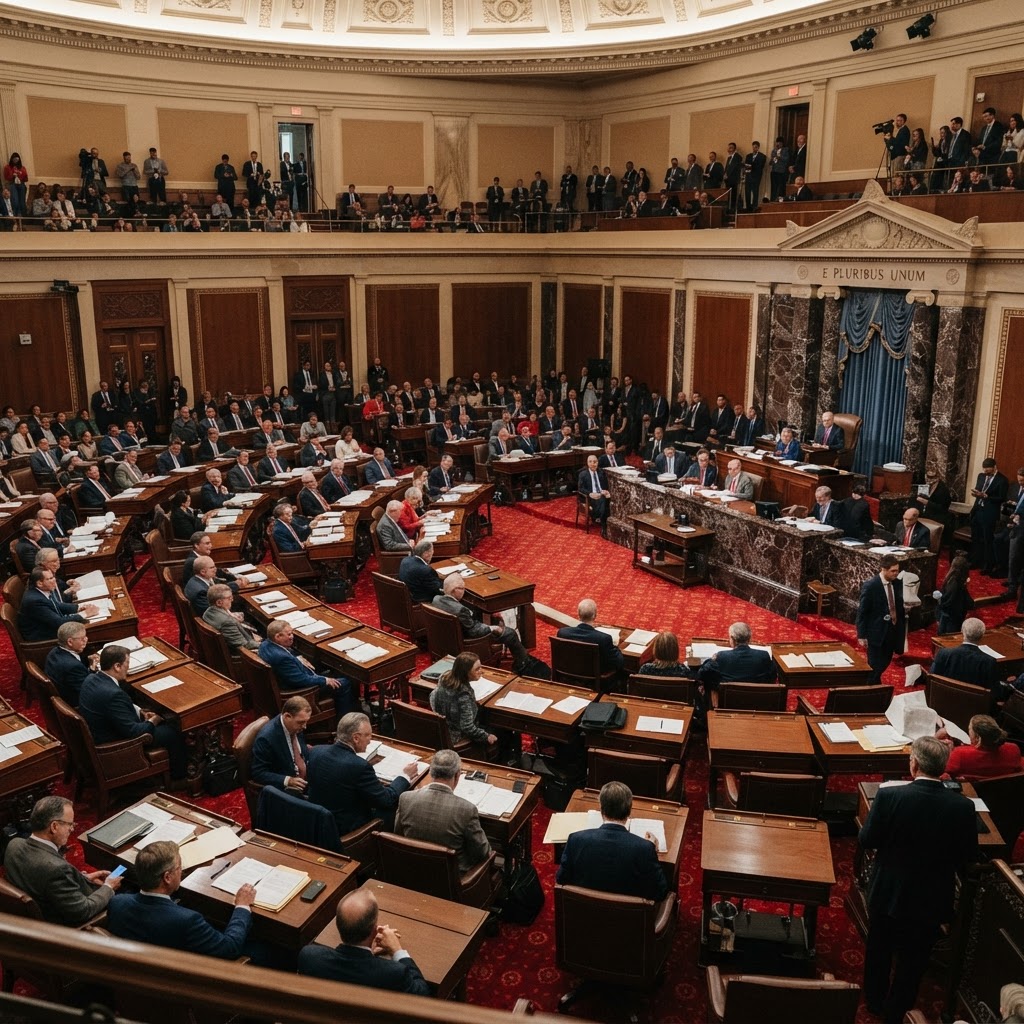
The U.S. Senate took a significant step forward on Monday, November 9, 2026, by voting 73-25 to invoke cloture on the Bipartisan American Affordability and Jobs Act (BAAJA). This procedural victory allows the chamber to move toward formal consideration of the legislation, which aims to overhaul the nation’s complex permitting and environmental review processes for energy and infrastructure projects.
Proponents of the bill argue that the current regulatory framework causes costly delays that hinder the development of essential infrastructure, including power lines, pipelines, and renewable energy facilities. By streamlining these approvals, supporters believe the legislation will lower costs for American families and improve grid reliability. The bill also includes provisions requiring data centers to cover their own electricity infrastructure costs, a measure intended to protect residential ratepayers.
While the bill enjoys bipartisan support, it remains a subject of intense debate. A revised manager’s amendment was introduced to address concerns from various stakeholders, including utilities and environmental groups. This update clarifies agency authority regarding court-ordered permit modifications and adjusts certain historic preservation requirements. Despite these changes, some tribal organizations and environmental advocates continue to express opposition, citing concerns over the potential impact on protected lands and environmental standards.
Legislative leaders have signaled that the path ahead will involve a robust amendment process. Several senators who supported the initial procedural vote have indicated that their final support is contingent upon further modifications to the text. For instance, some lawmakers have raised specific objections regarding tribal consultation and the potential for unintended environmental consequences.
Following the Senate's expected passage, the bill will head to the House of Representatives. Its future there remains uncertain, as House leadership has expressed reservations about the current version of the legislation. As the Senate prepares for upcoming floor debates, the outcome of this reform effort will likely have far-reaching implications for the future of U.S. energy development and infrastructure construction.
RELATED DISPATCHES


Discussion (0)
No comments yet. Be the first to join the discussion.