Schumer Faces Internal Resistance Despite Senate Majority Win
While Chuck Schumer remains the frontrunner for Senate Majority Leader, a growing chorus of incoming and veteran Democrats are calling for new leadership.
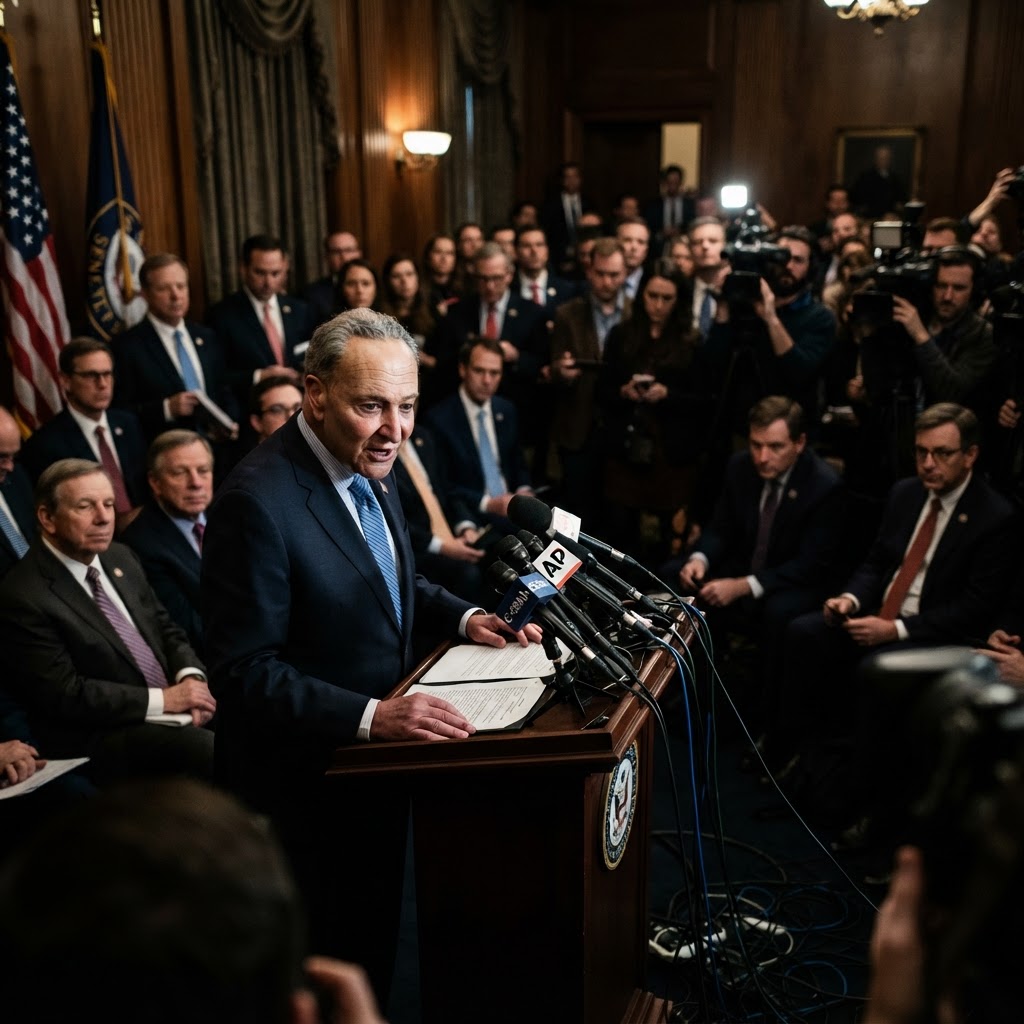
Despite successfully securing a Senate majority, Chuck Schumer is encountering unexpected friction within his own party regarding his continued tenure as leader. While he remains the heavy favorite to retain his position, several lawmakers have publicly expressed reservations, arguing that the party requires a fresh, unifying direction to navigate the upcoming legislative term. This internal pushback highlights a broader debate over the future of Democratic leadership and the strategic path forward for the caucus.
Critics of the current leadership, including several incoming senators, have voiced concerns that Schumer is viewed as a polarizing figure who may struggle to bridge the divide between different factions of the party. Senator-elect Adam Hamilton of Kansas, for instance, has openly stated his desire for a leader capable of operating from the center to foster bipartisan cooperation. Other incoming members, such as Annie Andrews and Troy Jackson, have echoed these sentiments, emphasizing a need for generational change within the upper chamber.
Some veteran Democrats are also applying pressure, urging their colleagues to withhold formal commitments until Schumer provides a clear, comprehensive vision for the party’s agenda. There is a specific demand for a detailed plan regarding the first 100 days of the new majority, with some members suggesting that the party must demonstrate a more cohesive strategy to address voter concerns effectively. This skepticism is particularly pronounced among those who believe the party’s current approach lacks the necessary unity to succeed in a challenging political environment.
Despite the vocal opposition, Schumer faces no declared challengers and is expected to secure the necessary support from his caucus, which is set to expand to at least 54 seats. Supporters of the current leader point to his role in successful candidate recruitment and his ability to navigate complex legislative hurdles as evidence of his effectiveness. As the Senate prepares to convene in January, the tension underscores a significant crossroads for Democrats as they balance the desire for institutional continuity against the growing demand for a new leadership style.
RELATED DISPATCHES


Discussion (0)
No comments yet. Be the first to join the discussion.