Rep. Adam Smith Criticizes Trump’s Selection of Stephen Miller as Chief of Staff
The top Democrat on the House Armed Services Committee argues the appointment signals a failure to learn from recent electoral defeats.
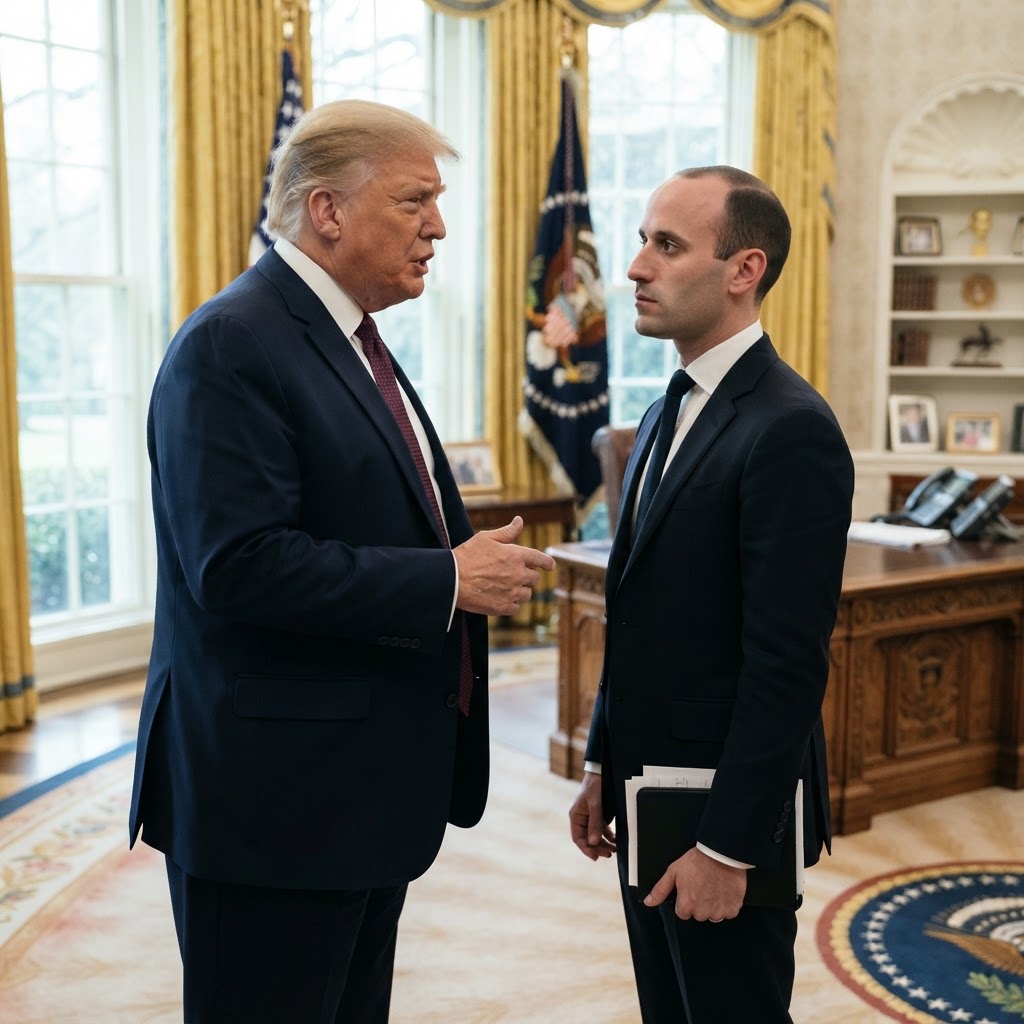
Following a significant shake-up within the White House, President Donald Trump has announced that Stephen Miller will succeed Susie Wiles as his new chief of staff. The transition, scheduled for November 9, comes in the wake of a challenging midterm election cycle that saw the Republican Party lose control of both chambers of Congress. While the President praised Wiles for her service and indicated she would transition to the Trump political operation, the selection of Miller has drawn sharp rebukes from Democratic leadership.
Representative Adam Smith, the ranking Democrat on the House Armed Services Committee, expressed strong disapproval of the move. Smith suggested that elevating Miller—a figure widely recognized as the architect of the administration's most aggressive immigration policies—demonstrates that the President has failed to internalize the lessons of his recent political setbacks. Critics argue that this appointment signals a doubling down on hardline strategies rather than a pivot toward moderation following the party's electoral losses.
Miller, who has served as a deputy chief of staff and a long-term advisor to the President, is known for his staunch commitment to restrictive migration policies. His promotion is viewed by many political analysts as a clear indication that the administration intends to push its policy agenda further to the right. This shift has heightened tensions in Washington, with several Democratic lawmakers already signaling their intent to launch rigorous oversight investigations into the administration's future actions.
As the administration prepares for this leadership change, the political climate remains volatile. While supporters of the President have characterized Miller as a necessary "wartime consigliere" capable of rebuilding the administration's coalition, opponents remain deeply skeptical. With Democrats now holding the majority in Congress, the appointment of such a polarizing figure sets the stage for a period of intense legislative friction and heightened partisan conflict in the coming months.
RELATED DISPATCHES



Discussion (0)
No comments yet. Be the first to join the discussion.