Post-Diwali Smog and Firecracker Injuries Impact India
Delhi faces severe air quality levels while multiple states report fire-related incidents following Diwali celebrations.
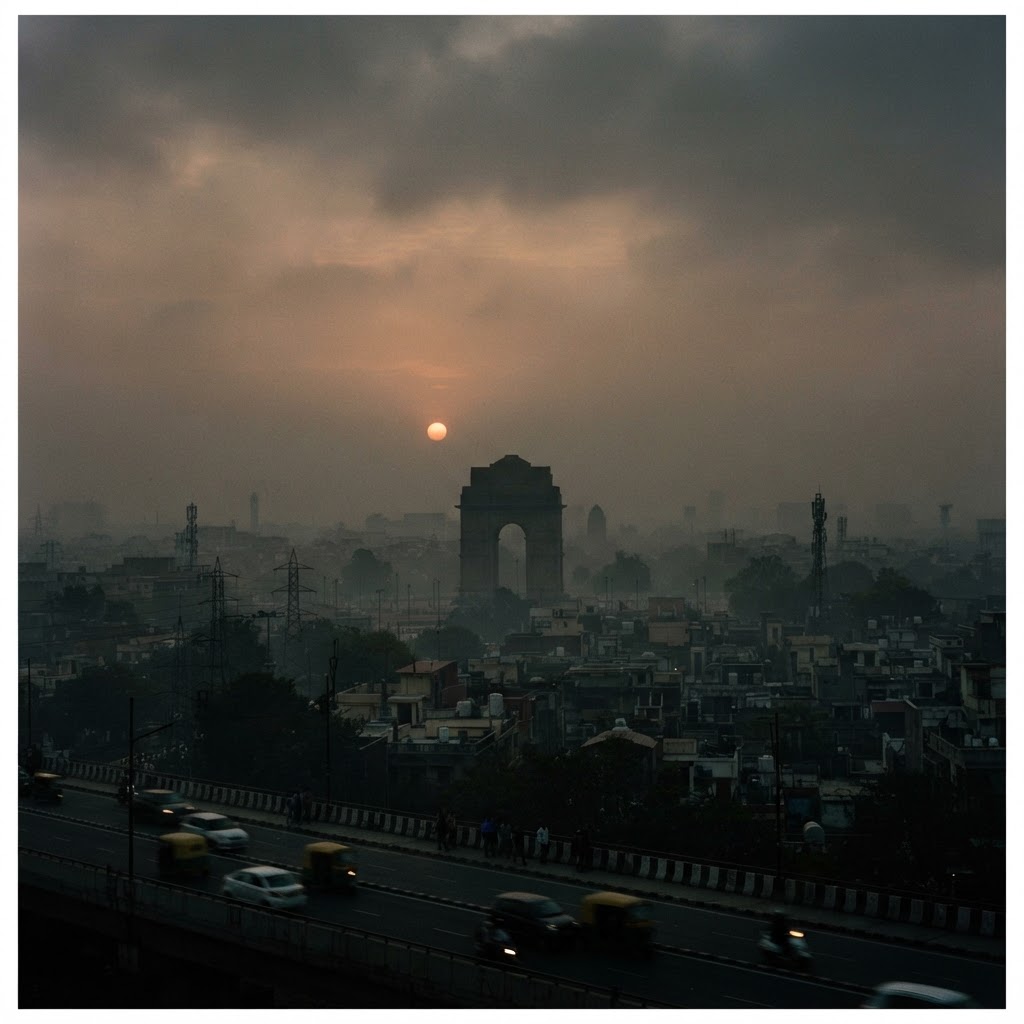
As the nation marks the conclusion of Diwali, India is grappling with a significant environmental and public health challenge. The air quality in the national capital, Delhi, has plummeted into the 'severe' category, with pollution monitoring stations recording AQI levels exceeding 430. This hazardous smog is attributed to a combination of widespread firecracker emissions and stagnant wind conditions, prompting concerns over public health in the region.
Beyond the capital, the festive period has been marred by several safety incidents. In Madhya Pradesh’s Chhatarpur district, at least 35 people sustained injuries due to firecracker-related accidents. While many victims are being treated for minor burns, medical authorities have transferred those with more serious injuries to specialized care facilities for intensive treatment.
Tragedy also struck in the state of Madhya Pradesh, where a massive fire in a goldsmith's residence in Seoni resulted in the loss of six family members, with four others reported injured. Meanwhile, in Uttar Pradesh, a high-rise residential building in Ghaziabad caught fire on Diwali night. Authorities believe the blaze was ignited by a stray firecracker landing on a balcony, though fortunately, no casualties were reported in that incident.
These events follow a period of heightened environmental caution, during which authorities had already implemented measures such as online schooling in Delhi to protect students from deteriorating air quality. As the country moves past the festival, the focus remains on managing the immediate aftermath of these safety and environmental crises while addressing the broader implications of urban pollution and fire safety standards.
RELATED DISPATCHES
Discussion (0)
No comments yet. Be the first to join the discussion.