Political Turmoil and Emergency Rule Grip Pakistan
Federal intervention in Khyber Pakhtunkhwa sparks national debate amid rising security concerns.
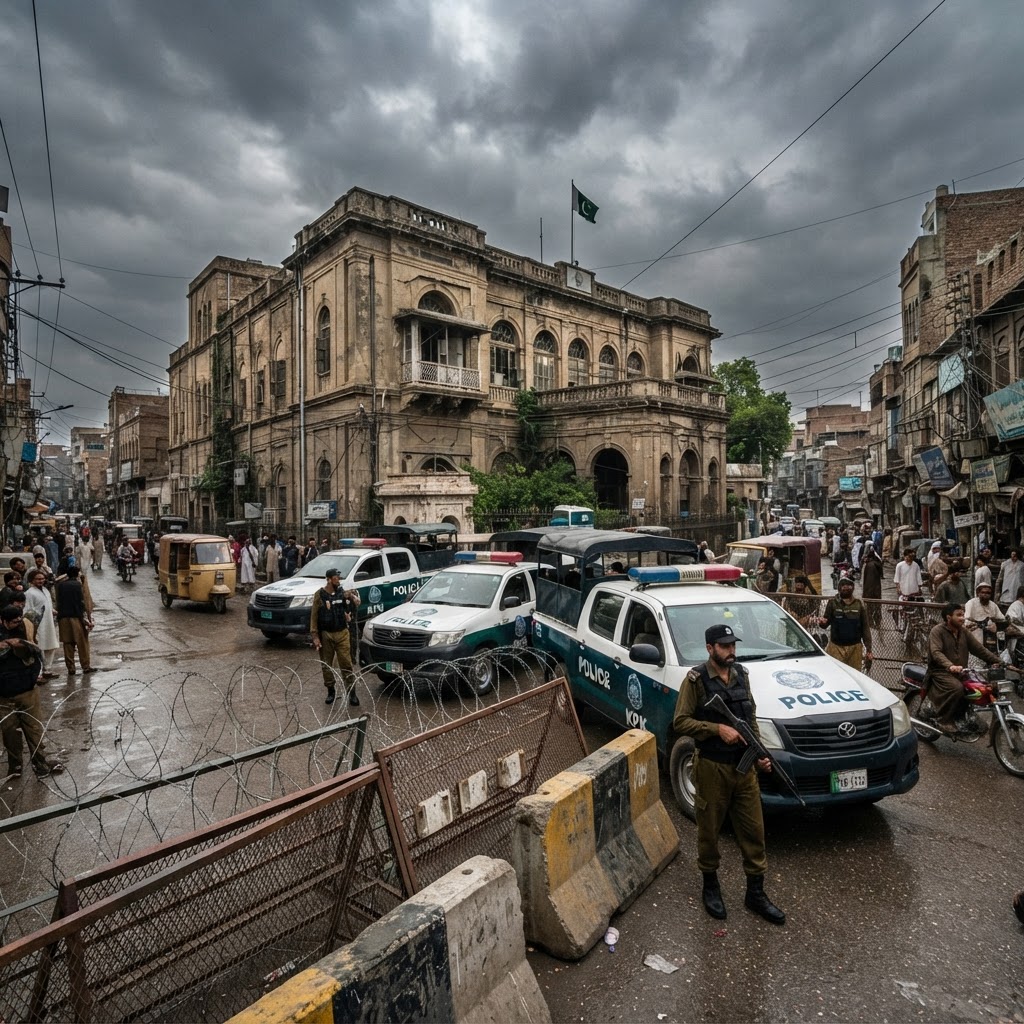
The political landscape in Pakistan has reached a critical juncture following the federal government's decision to impose emergency rule in the Khyber Pakhtunkhwa (KP) province. Prime Minister Shehbaz Sharif has defended the move as a necessary measure taken under compulsion, citing a deteriorating law and order situation and a surge in militant violence that threatened regional stability. The dissolution of the opposition-led provincial administration has drawn sharp criticism, with opponents labeling the action as an attempt to suppress dissent.
This intervention comes at a time when the nation is grappling with prolonged political turbulence and economic uncertainty. Analysts suggest that the move reflects a broader trend of institutional consolidation, particularly following the passage of the Defense Forces of Pakistan Act, 2026. Critics argue that such developments signal a shift toward a more centralized, hybrid civil-military governance model, which has raised concerns regarding the future of democratic processes and the protection of civil liberties.
Beyond internal political feuds, the security environment remains volatile. Recent reports indicate fresh border clashes between Pakistan and Afghanistan, further complicating the regional security outlook. The government maintains that it is committed to counterterrorism efforts, yet the ongoing friction between federal authorities and provincial opposition groups continues to hinder a unified national response to these threats.
As the country navigates these challenges, the economic impact of the instability remains a primary concern for investors and citizens alike. The government has expressed a desire to restore predictability to the economy, but experts warn that without political continuity and a stable security environment, achieving sustainable growth will remain difficult. Meanwhile, the administration continues to push forward with administrative reforms, including the upcoming transition to mandatory e-passports, as it attempts to project a sense of normalcy amidst the ongoing crisis.
RELATED DISPATCHES
Discussion (0)
No comments yet. Be the first to join the discussion.