Political Tensions Rise in India as Opposition Marches to Supreme Court
Thousands of demonstrators gathered in New Delhi to protest alleged irregularities in voter registration processes.
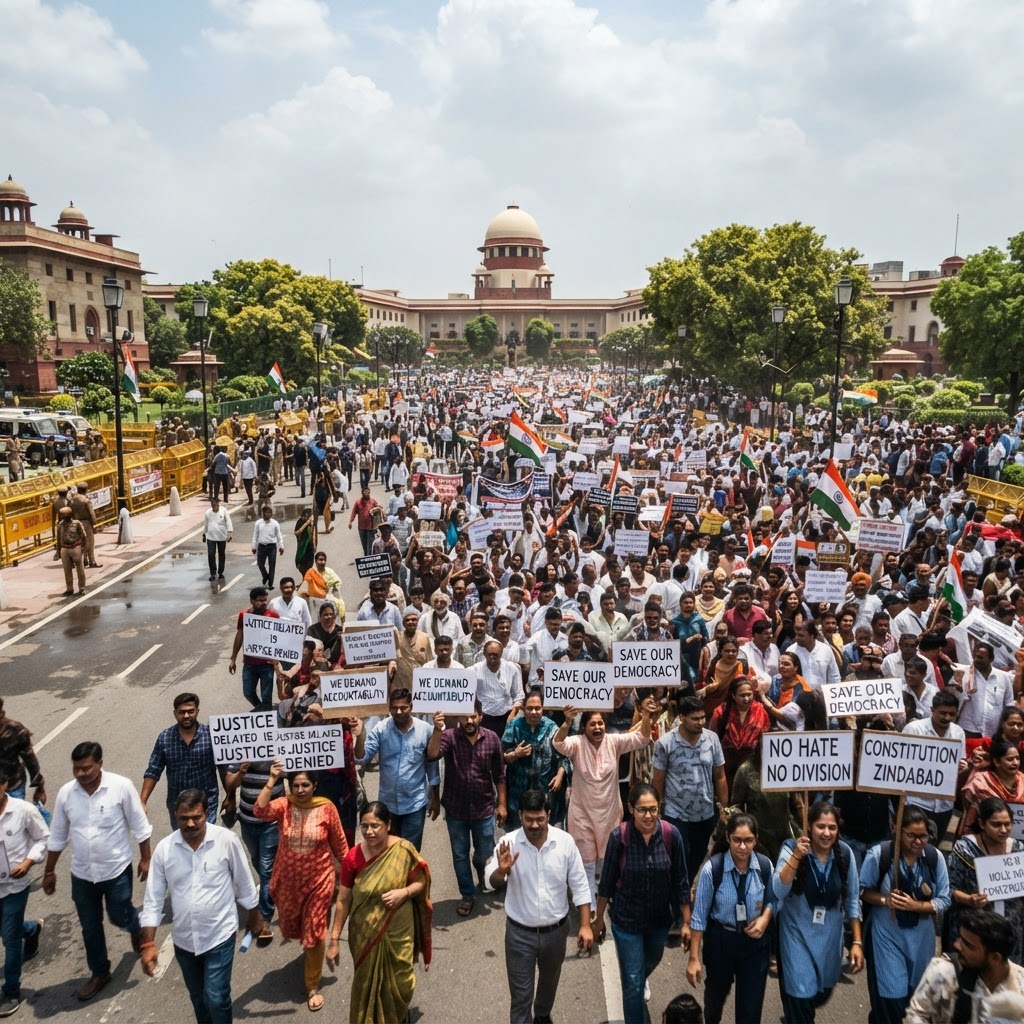
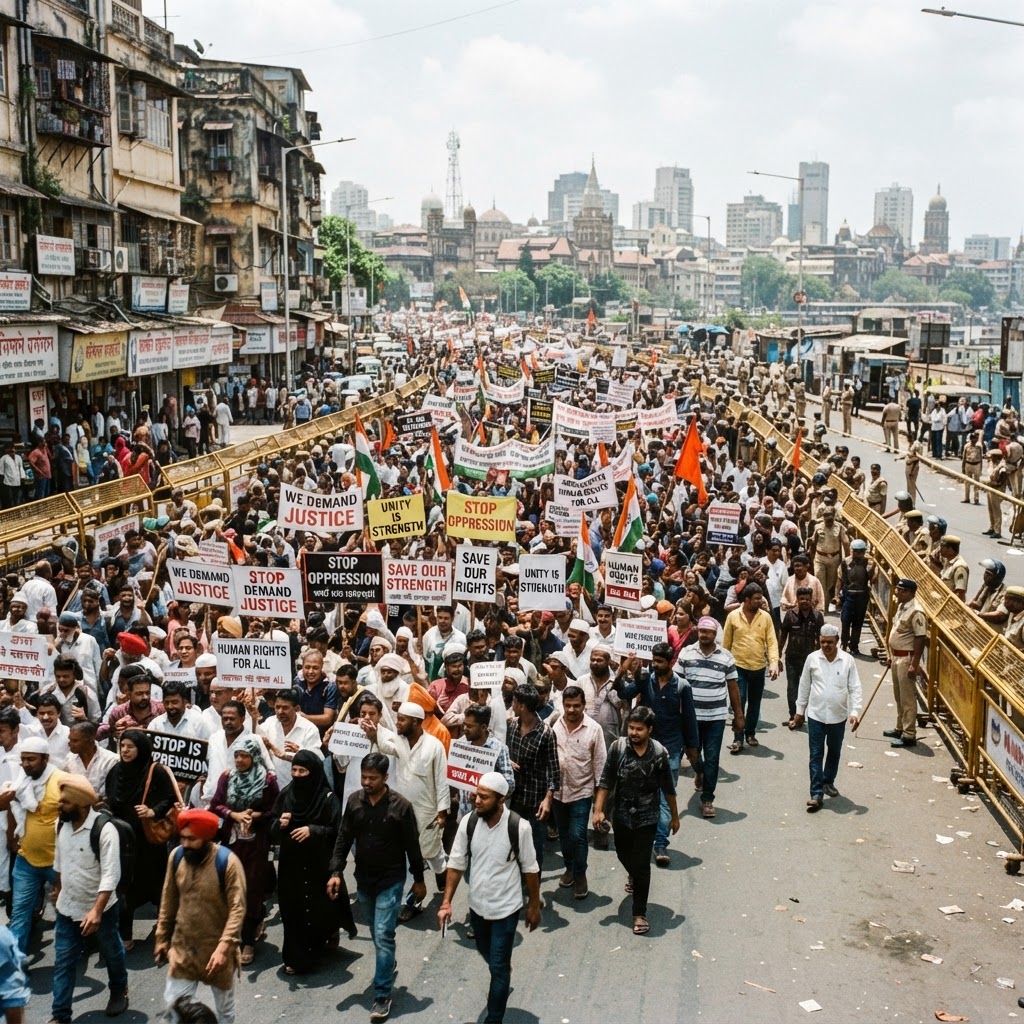
In a significant display of political unrest, thousands of protesters marched toward the Supreme Court of India in New Delhi this week. The demonstration was organized by opposition parties to voice their strong grievances regarding the alleged removal of millions of names from official voter lists. The protesters are demanding the resignation of the country's chief election commissioner, citing concerns over the integrity of the electoral process.
Security measures were heightened across the capital in response to the mass mobilization. Authorities implemented strict traffic restrictions and temporarily closed several Delhi Metro stations to manage the influx of demonstrators and maintain public order. The march highlights a deepening divide between the ruling government and the opposition bloc, which has accused the administration of undermining democratic institutions.
Amidst the political turmoil, the broader national landscape remains active. While the capital deals with protests, the International Monetary Fund (IMF) has recently adjusted its outlook for the nation, raising its India growth forecast to 7%. This economic optimism stands in contrast to the warnings issued by the organization regarding a fragmented global outlook and ongoing geopolitical tensions.
Meanwhile, other sectors continue to navigate complex challenges. In the retail industry, major players are recalibrating their strategies as consumer habits shift, while the government continues to manage international logistics, such as the recent dispatch of railway coaches to neighboring Bangladesh. As the nation balances economic growth with internal political friction, observers remain focused on how these institutional challenges will be addressed in the coming weeks.
RELATED DISPATCHES
Discussion (0)
No comments yet. Be the first to join the discussion.