Political Tensions Rise as Pakistan Imposes Emergency in Khyber Pakhtunkhwa
The federal government has assumed control in the province following a breakdown in constitutional governance and security concerns.
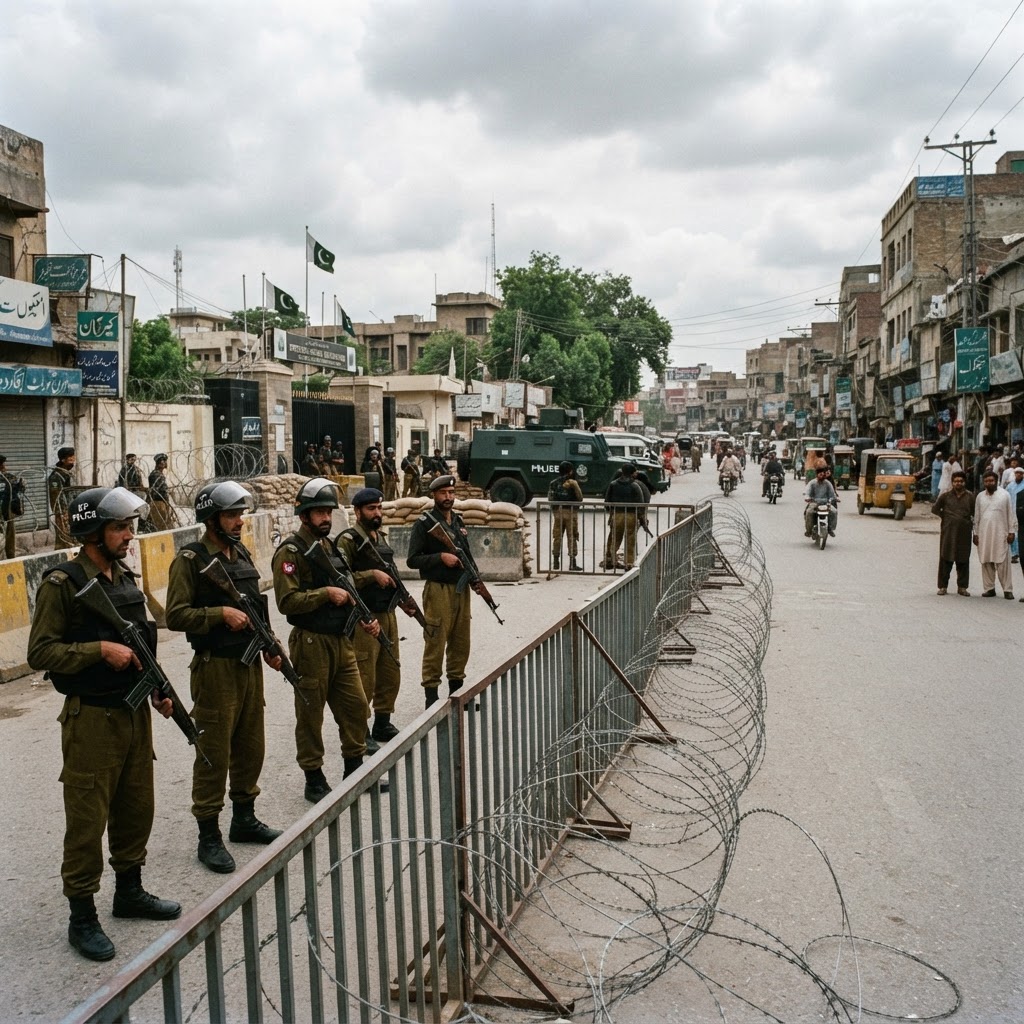
The federal government of Pakistan has officially declared a state of emergency in the Khyber Pakhtunkhwa province, effectively suspending the local provincial administration. This drastic measure, enacted in mid-October 2026, grants federal authorities broad executive and legislative powers to manage the region during what officials describe as a critical security crisis. Prime Minister Shehbaz Sharif has defended the move, asserting that the government was left with no viable alternative after negotiations regarding the province's stability failed.
The situation remains highly volatile, particularly in areas considered strongholds for former Prime Minister Imran Khan. Observers warn that the intervention could lead to further political instability rather than resolving the underlying tensions. In response to the shifting landscape, the federal government has already begun appointing new council members across twelve districts in the province to maintain administrative continuity.
Beyond the political turmoil, the region is grappling with recent tragedies. Authorities have begun distributing financial relief to families affected by a recent school building collapse, an incident that has sparked public outcry and demands for accountability. Meanwhile, the military continues to monitor border security, recently responding to firing incidents involving attempted terrorist crossings.
Despite these domestic challenges, the national government is simultaneously pursuing major economic initiatives. Pakistan is set to assume the chairmanship of the World Bank and IMF boards in 2027, a significant milestone for the country's international standing. Furthermore, officials are pushing forward with digital tax reforms and efforts to attract foreign investment, even as the nation navigates the complexities of regional security and internal governance.
RELATED DISPATCHES


Discussion (0)
No comments yet. Be the first to join the discussion.