Political Crisis Deepens in Pakistan as Emergency Declared in Khyber Pakhtunkhwa
Federal authorities impose emergency rule in the opposition-led province following a breakdown in security and political negotiations.
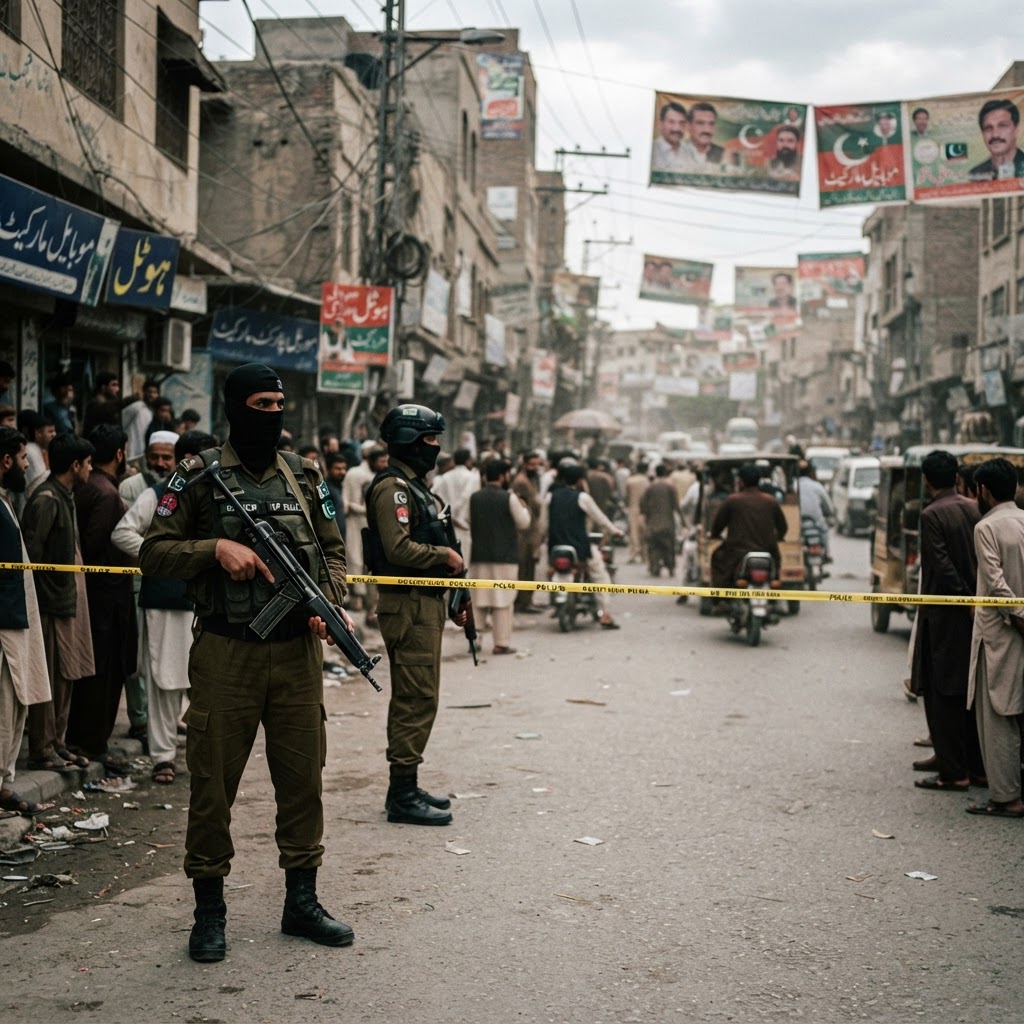
The federal government of Pakistan has officially declared a state of emergency in the Khyber Pakhtunkhwa (KP) province, effectively suspending the provincial government. President Asif Ali Zardari signed the order following a formal recommendation from Prime Minister Shehbaz Sharif, citing a critical deterioration in law and order and the provincial administration's alleged failure to address rising militancy. This move marks a significant escalation in the ongoing standoff between the central government and the Pakistan Tehreek-e-Insaf (PTI) party.
Government officials have justified the intervention by pointing to a collapse in communication regarding counterterrorism policies. The decision followed the breakdown of high-level negotiations between federal representatives and the PTI-led provincial leadership. Critics, however, have condemned the action as an undemocratic overreach, with senior PTI members describing the move as the illegal overthrow of a legitimately elected provincial government.
Adding to the regional instability, the province has been gripped by protests led by Chief Minister Sohail Afridi, who has been actively campaigning for the release of former Prime Minister Imran Khan. Khan has remained in custody since August 2023, and his supporters view the imposition of emergency rule as a targeted effort to suppress political dissent and dismantle the opposition's power base in its primary stronghold.
Beyond the political turmoil, the region is reeling from a separate tragedy in Peshawar, where a school roof collapse recently claimed the lives of nearly 30 students and a teacher. Authorities have since filed a First Information Report (FIR) alleging the use of substandard construction materials, further fueling public anger and scrutiny over governance and safety standards in the province.
As the situation unfolds, security remains a primary concern for the federal administration. While the government maintains that these measures are necessary to restore stability and combat security threats, observers warn that the suspension of provincial autonomy could lead to further civil unrest and deepen the existing political polarization across the country.
RELATED DISPATCHES
Discussion (0)
No comments yet. Be the first to join the discussion.