Political and Economic Developments Across Pakistan
From emergency measures in Khyber Pakhtunkhwa to new economic milestones, Pakistan navigates a complex landscape of security and reform.
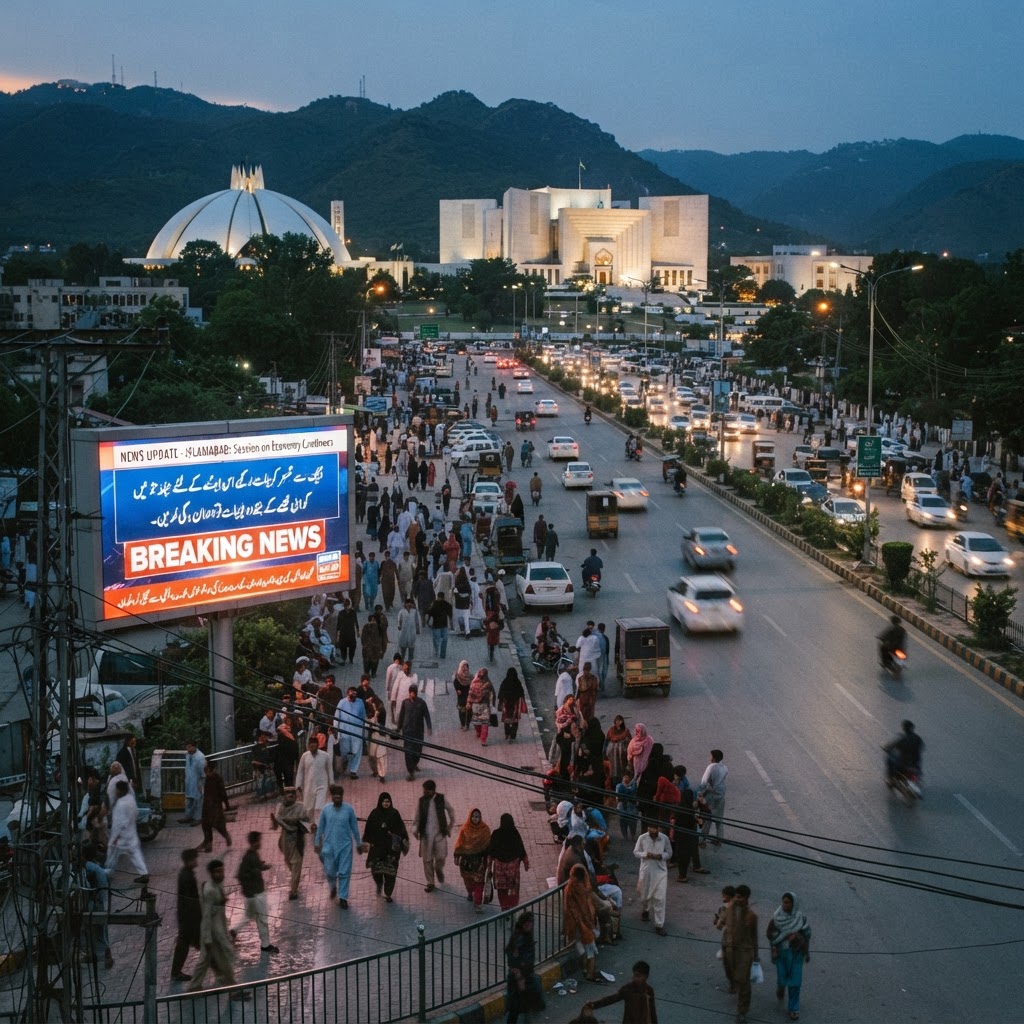
The political climate in Pakistan remains tense following the federal government's decision to impose an emergency and governor’s rule in the Khyber Pakhtunkhwa province. This drastic measure, enacted on October 11, 2026, was prompted by a deteriorating security situation and a surge in terrorist incidents. The Peshawar High Court is currently reviewing legal challenges filed against this suspension of the provincial government, marking a critical test for the nation's constitutional framework.
On the economic front, the country is navigating a period of transition. Recent data indicates that the Pakistan Rupee is holding relatively steady, trading near 276.79 against the US dollar as of late October. Meanwhile, the International Monetary Fund has projected a growth rate of 3.5% for the fiscal year, though it warned of rising inflation, which is expected to hover near 10%. Despite these pressures, the government has successfully reconciled a significant $18 billion discrepancy in historical trade data, aiming to improve fiscal transparency.
International engagement remains a priority for the administration. Pakistan is set to assume the chairmanship of the World Bank and IMF boards, a historic first in decades that signals a shift in its global economic standing. Additionally, the government has strengthened regional ties, recently exchanging 20 Memorandums of Understanding with the Maldives to boost bilateral trade to $200 million. These diplomatic efforts are complemented by a firm commitment to regional security, including ongoing support for Saudi Arabia and active participation in the Shanghai Cooperation Organization.
Domestically, the state is pushing forward with modernization initiatives. Starting October 23, 2026, the country will begin the mandatory issuance of e-passports, a move designed to streamline travel and enhance security documentation. Simultaneously, the government has signaled a crackdown on corruption within the Federal Board of Revenue, while the National Accountability Bureau continues to finalize plans for comprehensive power sector reforms to address long-standing energy challenges.
RELATED DISPATCHES

PPP invites opposition to join electoral reforms committee
2 hours 10 minutes ago
Strong public reaction to sit-in by riotous mob and road blockades in Rawalakot
2 hours 11 minutes ago
Solution to problems of Khyber Pakhtunkhwa universities, important decisions in Vice Chancellors conference
2 hours 12 minutes agoDiscussion (0)
No comments yet. Be the first to join the discussion.