Pakistan Navigates Internal Turmoil and Regional Security Challenges
From emergency rule in Khyber Pakhtunkhwa to shifting geopolitical alliances, Pakistan faces a complex landscape of domestic and foreign policy hurdles.
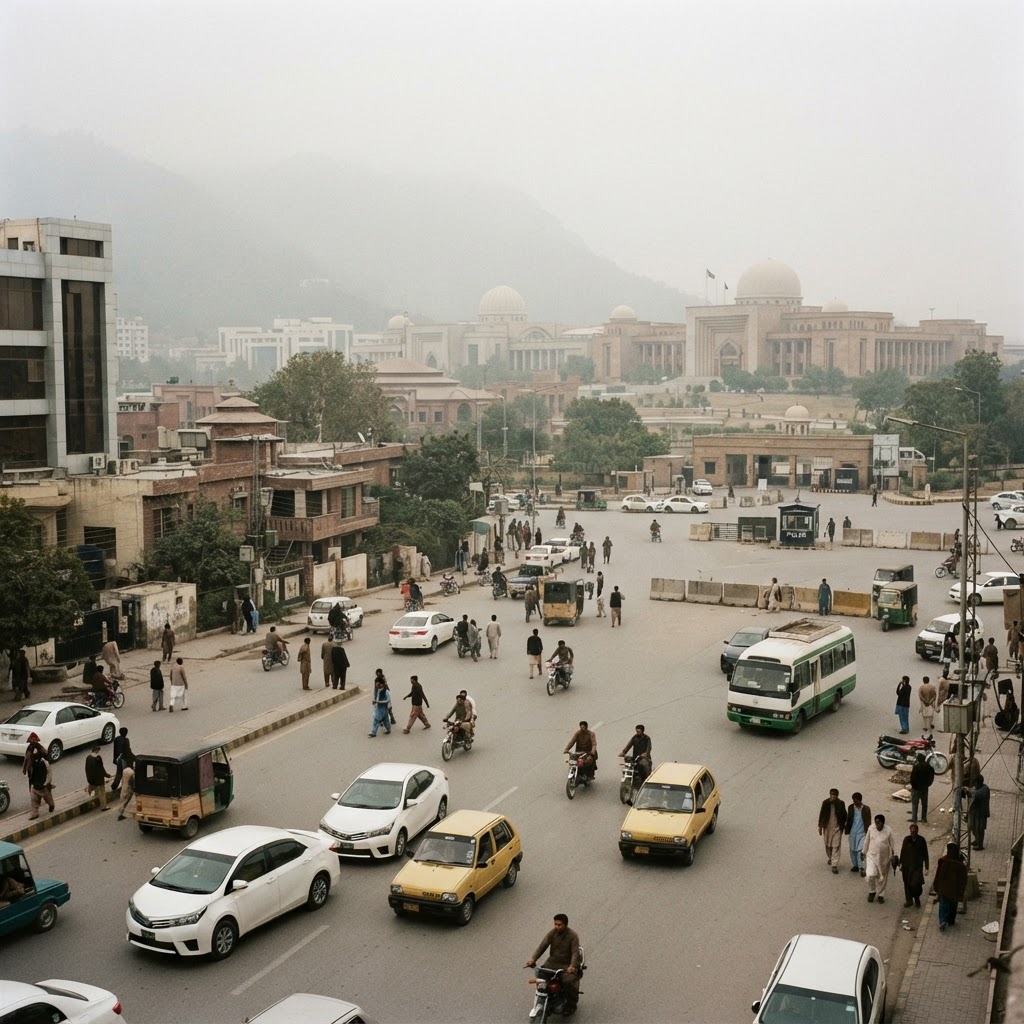
The political climate in Pakistan remains highly volatile as the federal government continues to manage the fallout from the imposition of governor’s rule in Khyber Pakhtunkhwa. Prime Minister Shehbaz Sharif has defended the move, citing a deteriorating law and order situation and the provincial government's failure to address security threats effectively. While the administration has established a technocratic advisory council to stabilize the region, opposition figures from the Pakistan Tehreek-e-Insaf (PTI) have condemned the intervention as an undemocratic overreach.
Beyond internal governance, Pakistan is recalibrating its foreign policy in response to escalating regional tensions. Military leadership has reaffirmed the nation's commitment to its strategic partnership with Saudi Arabia, declaring that any threat to the Kingdom is viewed as a direct threat to Pakistan. Simultaneously, officials are evaluating potential requests for military support from the Yemeni government, highlighting the country's delicate balancing act in the Middle East.
Economic pressures are compounding these security concerns. Recent reports indicate that Pakistan is currently grappling with a severe hunger crisis, with poverty rates rising significantly over the past few years. The government is also working to reconcile major discrepancies in historical trade data while attempting to secure energy supplies amidst regional infrastructure instability. These economic headwinds are further complicated by recent border clashes with Afghanistan and the suspension of certain trade corridors with Iran due to smuggling and security fears.
As the nation moves forward, the government has signaled a push for administrative reform, including stricter regulations for bureaucrats and a renewed focus on power sector improvements. With the upcoming transition to mandatory e-passports on October 23, the state is attempting to modernize its infrastructure even as it navigates a period of profound constitutional and social uncertainty.
RELATED DISPATCHES

PPP invites opposition to join electoral reforms committee
1 hour 30 minutes ago
Strong public reaction to sit-in by riotous mob and road blockades in Rawalakot
1 hour 30 minutes ago
Solution to problems of Khyber Pakhtunkhwa universities, important decisions in Vice Chancellors conference
1 hour 32 minutes agoDiscussion (0)
No comments yet. Be the first to join the discussion.