Pakistan Navigates Complex Security and Diplomatic Challenges
From emergency measures in Khyber Pakhtunkhwa to international defense partnerships, Pakistan addresses a multifaceted national agenda.
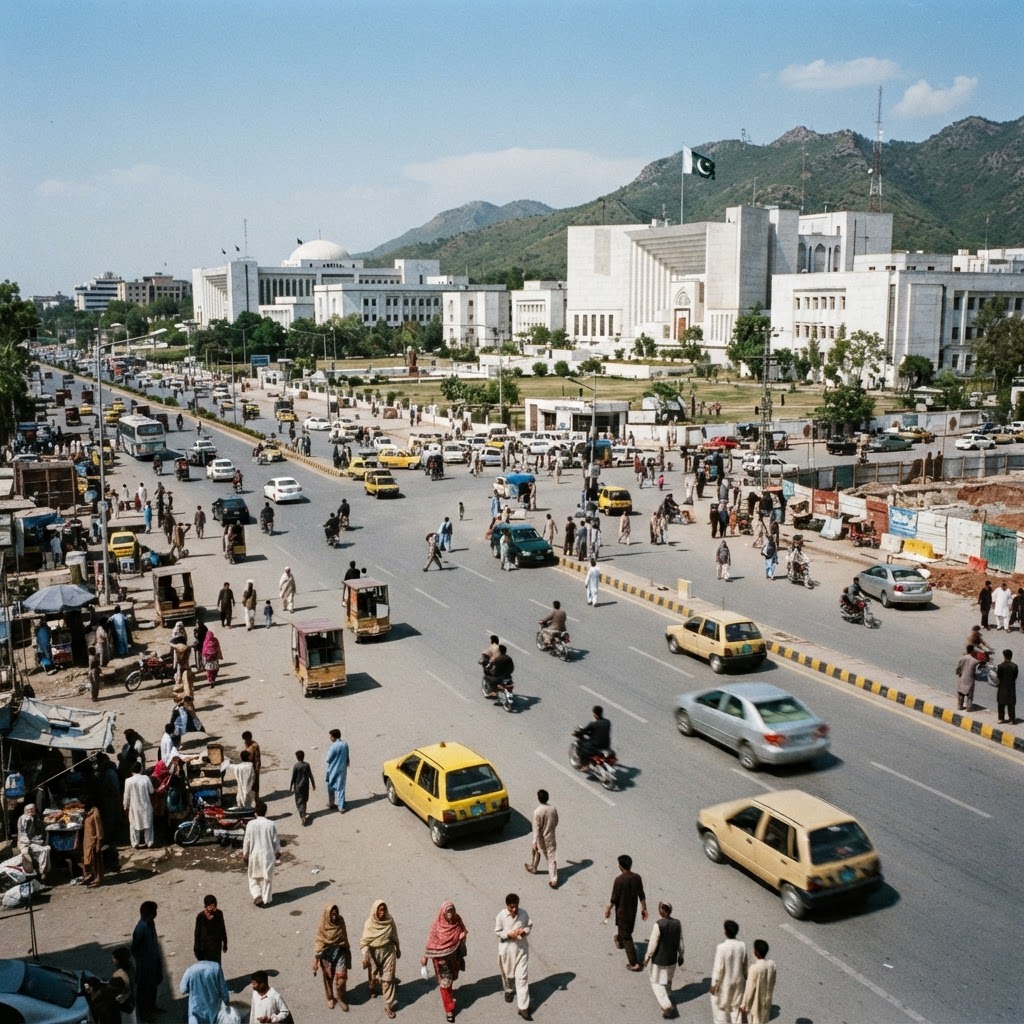
The government of Pakistan is currently managing a volatile security landscape, highlighted by the recent declaration of a state of emergency in the Khyber Pakhtunkhwa province. This decision, enacted by the President, follows a surge in terrorist incidents that have severely compromised local law and order, leading to the suspension of the provincial government's operations.
Beyond internal security, the nation is actively strengthening its international defense posture. In a significant move, Pakistan has joined a coalition alongside Turkiye to support Saudi Arabia’s deterrence measures against Houthi threats. This commitment underscores Islamabad's strategic focus on regional stability and its willingness to engage in collective security frameworks.
Diplomatic efforts remain a priority as the country hosts high-level state visits, including the recent arrival of the President of the Maldives to discuss bilateral cooperation. Simultaneously, officials continue to emphasize the necessity of regional stability, particularly regarding the situation in Afghanistan. Foreign Minister Ishaq Dar has reiterated that Pakistan expects the Taliban regime to ensure that Afghan soil is not utilized for cross-border terrorism.
On the economic front, the nation is working to navigate global inflationary pressures. While remittances have helped stabilize the current account deficit, the government is pushing for structural reforms, including a new industrial and export plan for Punjab. As the country transitions to mandatory e-passport issuance starting October 23, 2026, authorities are also calling for national political unity to confront the persistent threat of terrorism and foster long-term economic resilience.
RELATED DISPATCHES

Discussion (0)
No comments yet. Be the first to join the discussion.