Navigating Instability: Pakistan Faces Economic and Political Hurdles
From rising militant violence to economic contraction, Pakistan grapples with a complex array of domestic and regional challenges.
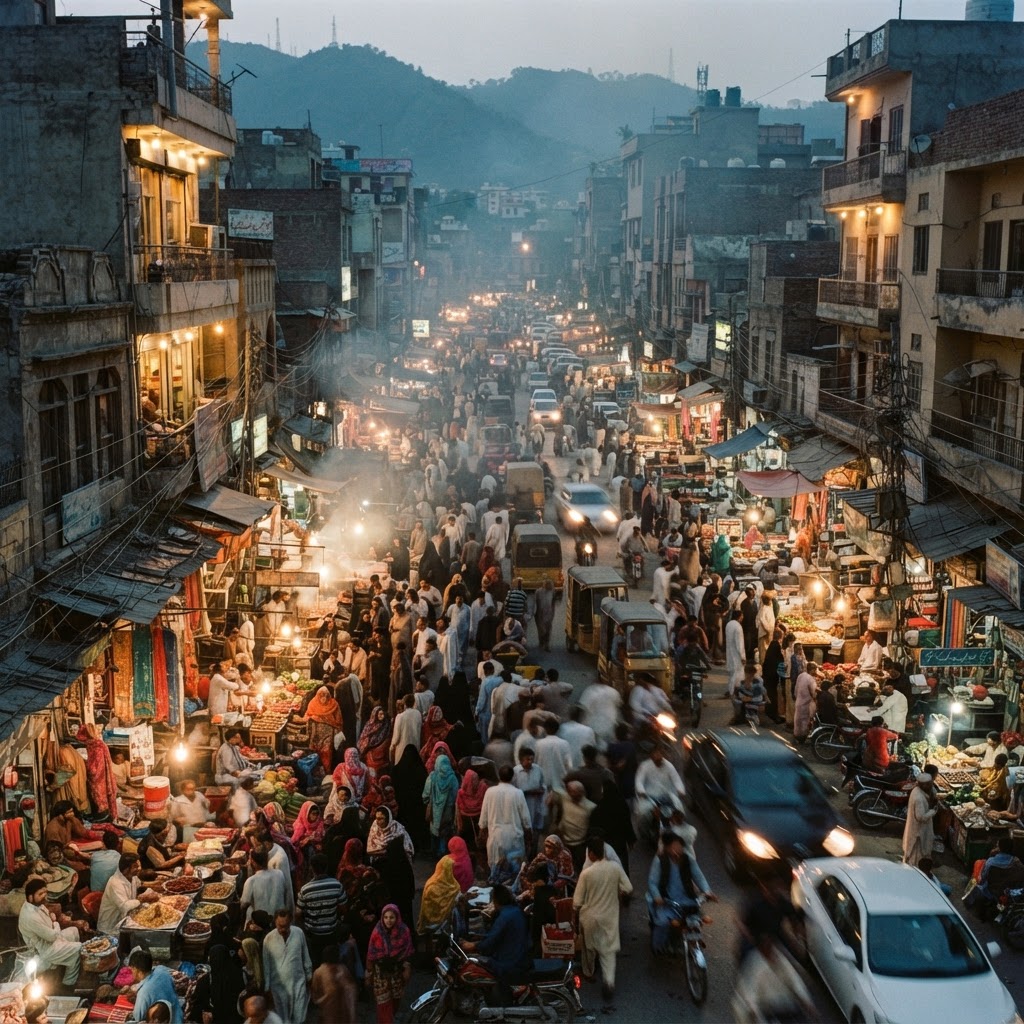
As of late October 2026, Pakistan is navigating a period of heightened volatility characterized by both political friction and economic strain. Tensions have escalated following federal intervention in the Khyber Pakhtunkhwa province, a move that critics argue could exacerbate instability and undermine critical counterterrorism efforts in the region. This political climate remains fragile as the government attempts to balance internal governance with security demands.
Economically, the outlook remains challenging. The International Monetary Fund has projected a 1.3% contraction in GDP for the region, including Pakistan, for 2026. Finance Minister Muhammad Aurangzeb is currently managing a delicate fiscal situation, balancing the need for IMF-backed reforms against the potential for public unrest regarding fuel subsidies and the cost of living. Meanwhile, the labor sector continues to struggle, with reports highlighting that home-based workers are facing severe economic exploitation, often earning as little as Rs50 per hour amidst persistent inflation.
On the international front, Pakistan continues to assert its diplomatic stance, recently reaffirming its 'One-China' policy and expressing concern over regional stability. The nation is also actively engaging in regional security dialogues, including recent discussions with China, Iran, and Russia regarding the situation in Afghanistan, emphasizing the need for collective efforts to combat terrorism.
Technological and administrative shifts are also underway, with the government set to implement mandatory e-passport issuance starting October 23, 2026. Despite these modernization efforts, the country remains under pressure to address systemic issues, ranging from power sector reforms to the broader economic recovery, as it seeks to transition away from a cycle of recurring financial crises.
RELATED DISPATCHES
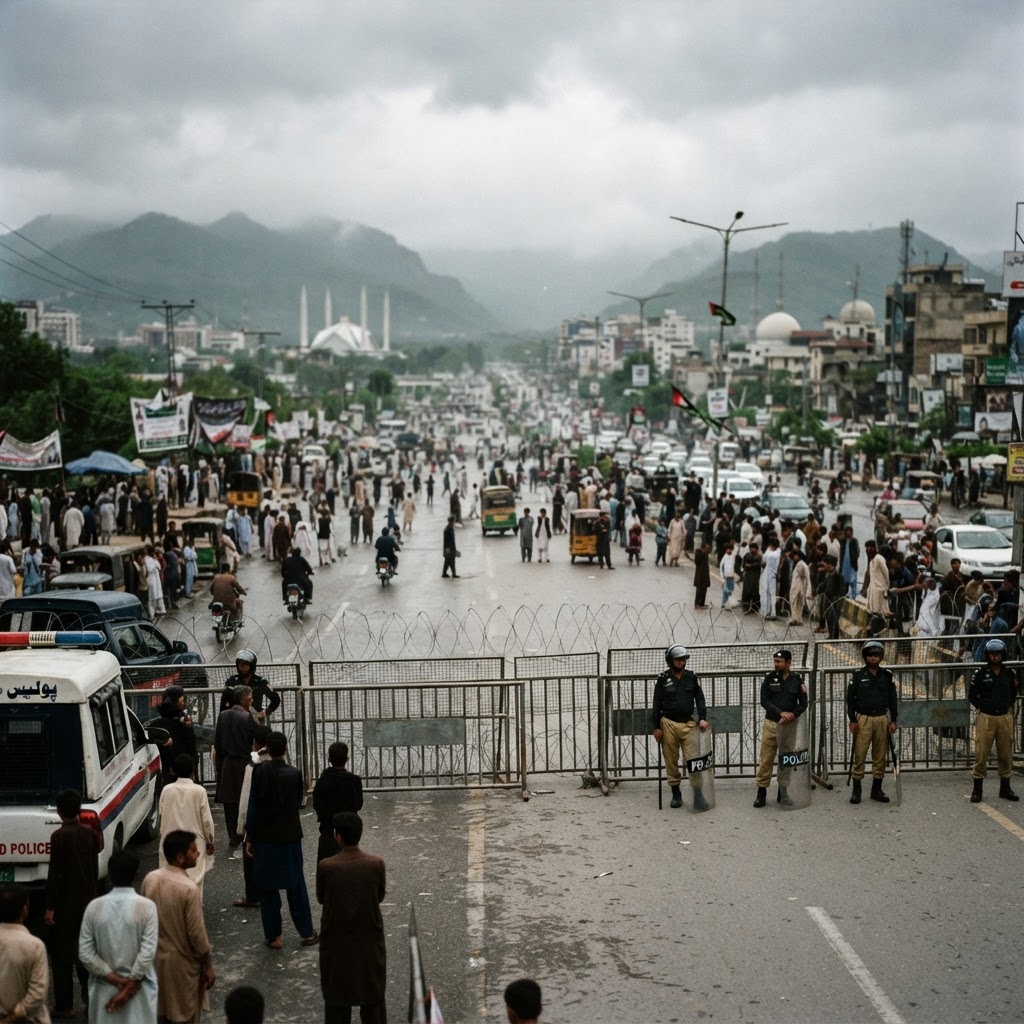
Political Turmoil and Security Challenges Grip Pakistan
1 hour 7 minutes ago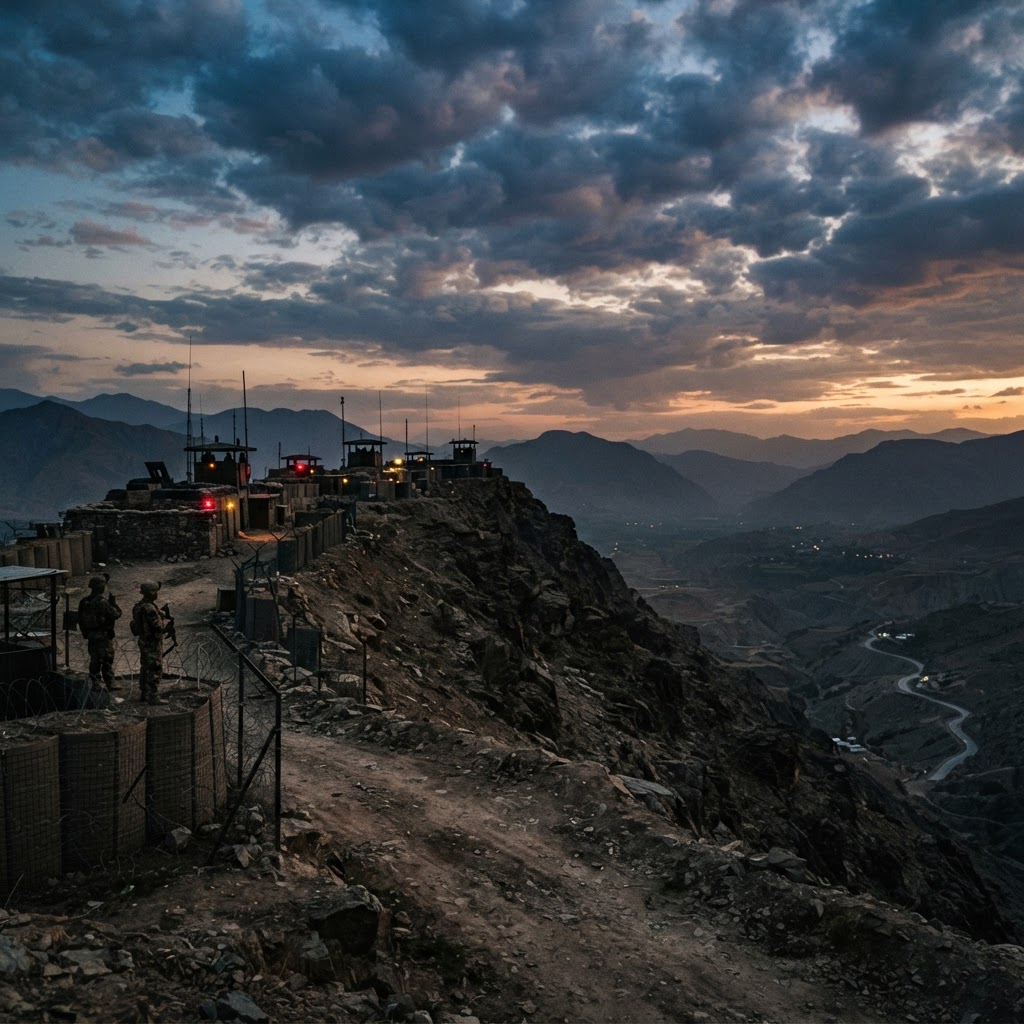
Rising Tensions and Internal Instability Challenge Pakistan
1 hour 8 minutes ago
Changing, improving, strong Pakhtunkhwa; operation against encroachments in Bajaur, cleanliness campaign intensified in Peshawar
6 hours 54 minutes agoDiscussion (0)
No comments yet. Be the first to join the discussion.