Michigan Senate Primary Results Finalized After Tight Contest
Progressive candidate Abdul El-Sayed secures victory in a closely watched Democratic primary, setting the stage for a high-stakes November showdown.
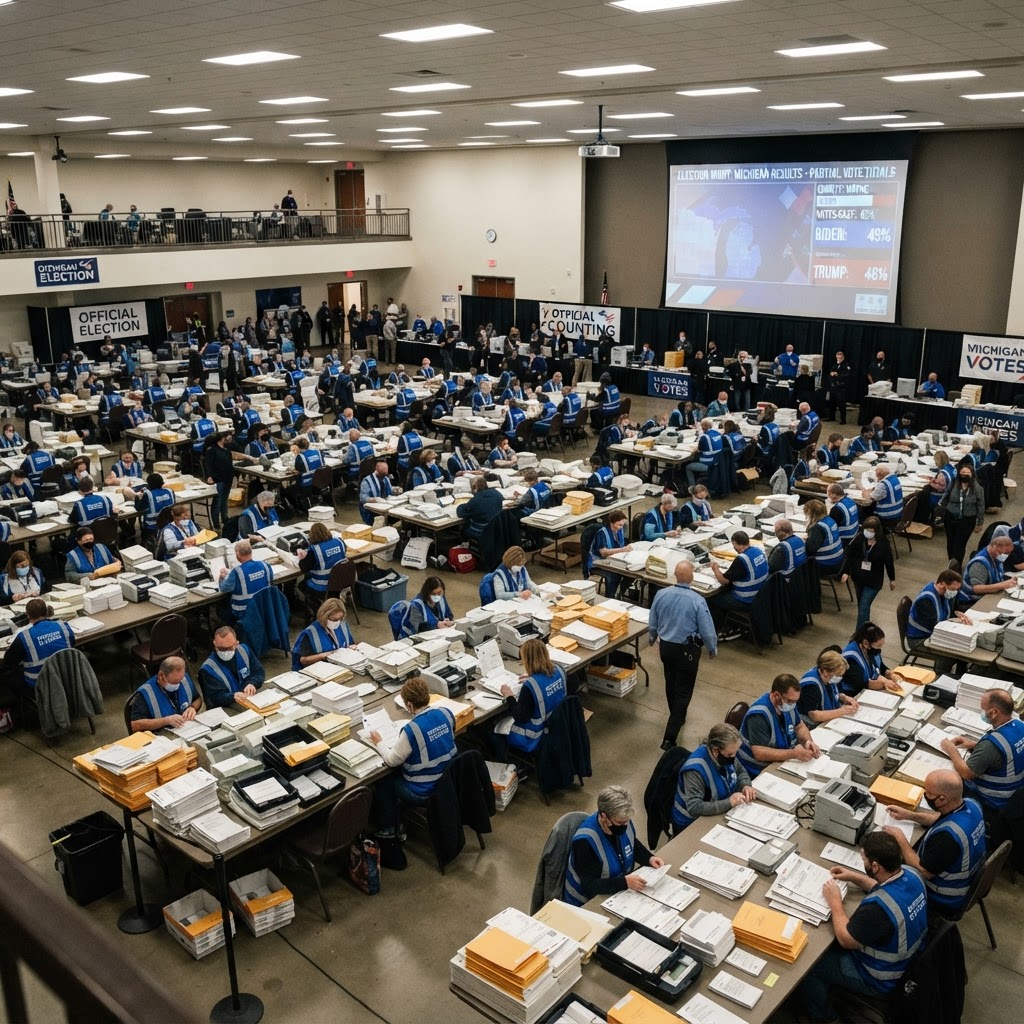
Election officials in Michigan have concluded the tallying process following a highly competitive Senate primary that drew significant national attention. The Democratic contest, which pitted progressive challenger Dr. Abdul El-Sayed against moderate Representative Haley Stevens, remained too close to call for several hours as ballots were processed across the state. Ultimately, the narrow margin of victory highlighted the deep ideological divisions currently shaping the party's direction in this critical battleground state.
Dr. El-Sayed, a former public health official, managed to overcome a strong challenge from the party establishment by tapping into voter frustration and advocating for a more progressive platform. His victory marks a pivotal moment for the progressive wing of the Democratic Party, which has been seeking to expand its influence in key electoral contests. The final count, which was not confirmed until Wednesday morning, showed El-Sayed leading by fewer than 15,000 votes, underscoring the intensity of the campaign.
With the primary now behind him, El-Sayed faces the immediate challenge of unifying a fractured party ahead of the general election. He is set to square off against Republican nominee Mike Rogers, a former congressman who secured his party's nomination with a decisive performance. The upcoming November race is expected to be a major factor in determining which party gains control of the U.S. Senate.
Political analysts suggest that the general election will serve as a litmus test for both parties in Michigan. While the Democratic primary showcased a struggle between different visions for the future, the transition to the general election will require a broader appeal to independent voters. As both campaigns pivot toward the fall, the focus will shift to economic concerns and the specific policy differences between the two candidates, both of whom are vying to represent a state that remains a central focus for national political strategists.
RELATED DISPATCHES

Discussion (0)
No comments yet. Be the first to join the discussion.