Lula Faces Pressure to Expedite Central Bank Appointments
Economic advisors urge the president to fill vacant board seats before the Senate composition shifts in the new year.
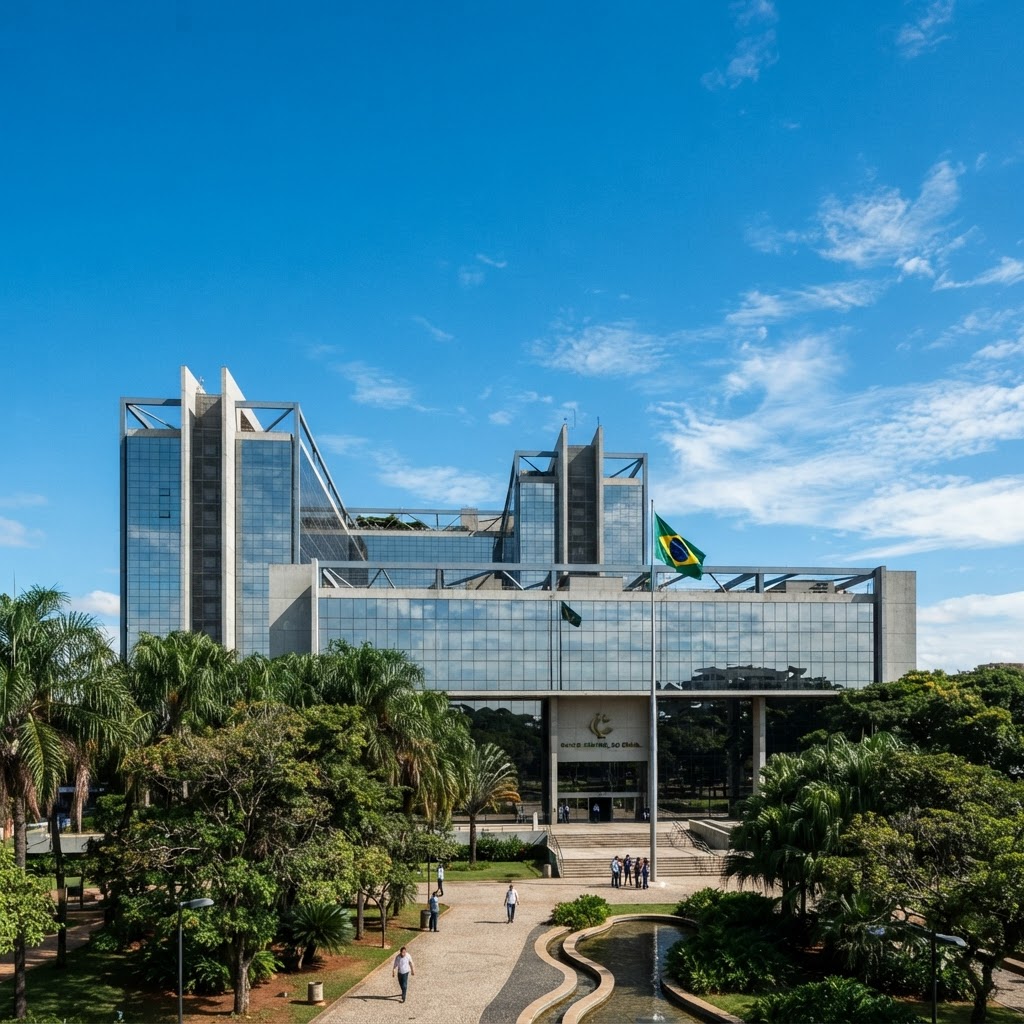
Brazilian President Luiz Inácio Lula da Silva is under mounting pressure to finalize appointments for two long-vacant seats on the Banco Central do Brasil’s board. Economic aides have reportedly advised the president to select candidates who will reassure investors, aiming to stabilize market sentiment following recent volatility in the Brazilian real. Finance Minister Dario Durigan indicated that these nominations, along with other key regulatory roles, are expected to be announced within the coming weeks.
The urgency behind these appointments is largely driven by the legislative calendar. Government officials are keen to secure Senate approval for their nominees before the current session concludes. A shift in the Senate’s composition in 2027 is expected to bring a larger opposition presence, which could complicate the confirmation process for future government picks.
Market participants are closely monitoring the selection process, as the central bank’s Copom committee plays a critical role in determining the nation’s benchmark interest rate, the Selic. With two seats empty since January 2026, the board has been operating below its full nine-member capacity. Investors are particularly sensitive to the ideological leanings of potential nominees, fearing that a shift toward more heterodox economic policies could undermine inflation control efforts.
While President Lula has previously expressed frustration with high interest rates, his economic team is currently emphasizing the need for pragmatism and market stability. By selecting candidates perceived as market-friendly, the administration hopes to calm concerns regarding fiscal discipline and monetary policy. The upcoming Copom meeting, scheduled for early December, adds a layer of pressure to finalize these leadership decisions.
Looking ahead, the administration’s influence over the central bank is set to grow significantly. Over the next few years, the president will have the opportunity to appoint a majority of the board members. This transition has sparked debate among analysts about the future direction of Brazil’s monetary policy and whether the central bank will maintain its current focus on inflation or pivot toward more aggressive rate-cutting strategies.
RELATED DISPATCHES


Discussion (0)
No comments yet. Be the first to join the discussion.