Israeli Election Ends in Deadlock as Neither Bloc Secures Majority
Prime Minister Benjamin Netanyahu and challenger Gadi Eisenkot both claim momentum as the nation faces potential political gridlock.
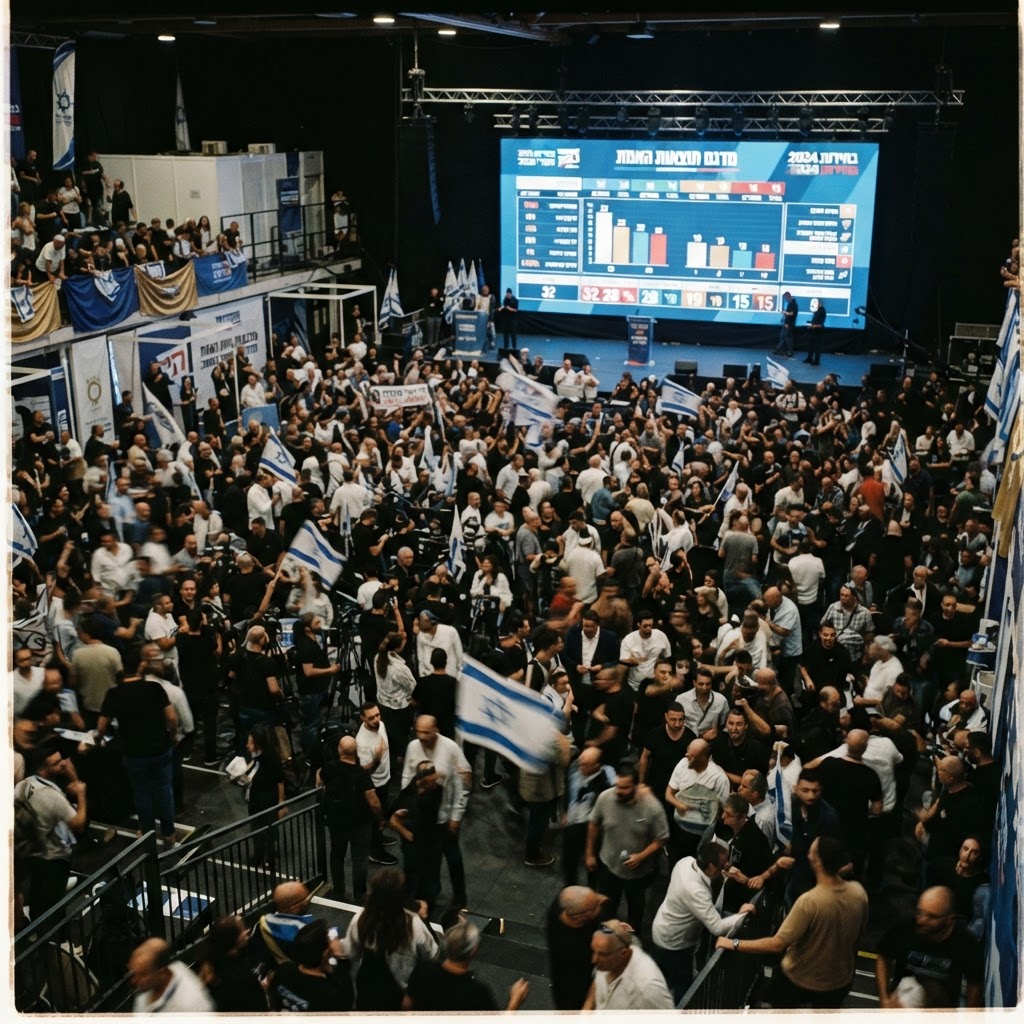
Israel’s latest parliamentary election has concluded without a definitive victor, leaving the country in a state of political uncertainty. Following a record-breaking voter turnout that exceeded 77%, both incumbent Prime Minister Benjamin Netanyahu and opposition leader Gadi Eisenkot have asserted their respective paths to power, despite neither camp reaching the required 61-seat threshold in the 120-member Knesset.
Initial projections and partial vote counts indicate a tight race between the two primary blocs. While some data suggests a narrow lead for Netanyahu’s coalition, the numbers remain insufficient to form a stable government. Conversely, Eisenkot’s opposition movement has challenged the incumbent’s mandate, framing the results as a significant setback for the long-serving leader and calling for a change in national direction.
President Isaac Herzog has intervened, urging political factions to approach the upcoming coalition negotiations with an open mind. Emphasizing the need for stability, Herzog warned against the prospect of further electoral cycles, which have plagued the nation’s fragmented political system in recent years. The president’s call reflects a broader concern that the current impasse could lead to weeks or even months of intense bargaining.
The role of smaller parties, particularly those representing Arab constituencies, remains a critical variable in the ongoing calculations. While these factions could theoretically serve as kingmakers, the ideological divide between the major blocs and potential partners complicates the formation of a governing majority. As the Central Elections Committee continues to process the remaining ballots, the final composition of the parliament remains subject to change.
Analysts note that while exit polls provide a snapshot of voter sentiment, they are often imprecise and subject to revision. With the final results not expected until at least October 29, the nation remains in a state of suspense. The outcome of this election, the first since the onset of the regional conflicts in 2023, will ultimately determine the trajectory of Israel’s domestic and foreign policy during a period of significant regional tension.
RELATED DISPATCHES
Discussion (0)
No comments yet. Be the first to join the discussion.