Israel Faces Political Standoff as Netanyahu Targets Arab Factions
With no clear election winner, Prime Minister Benjamin Netanyahu attacks Arab parties while opposition leaders struggle to form a viable coalition.
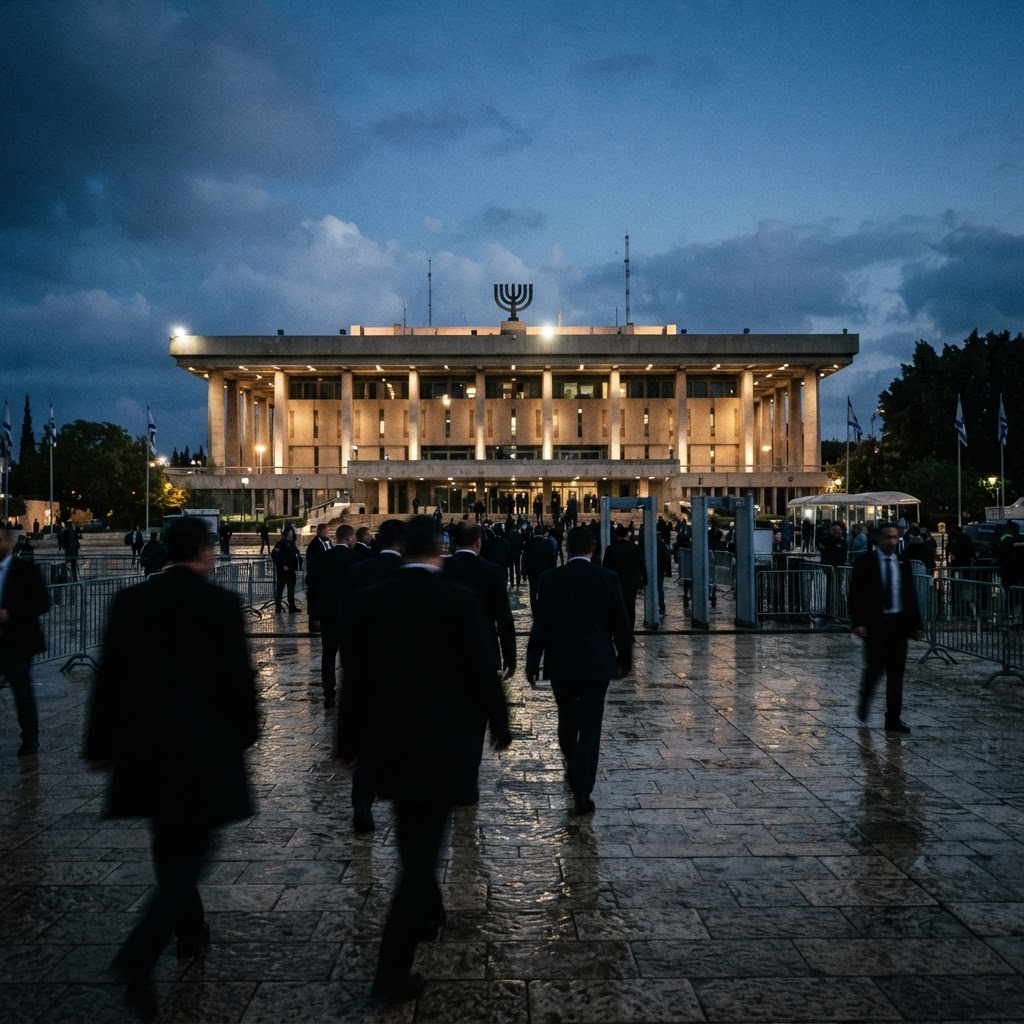
Israel is currently mired in prolonged political uncertainty following a general election that failed to produce a decisive mandate for either incumbent Prime Minister Benjamin Netanyahu or his primary challenger, Gadi Eisenkot. As vote counting continues, both major blocs appear to fall short of the 61-seat threshold required for a governing majority in the Knesset, leaving the nation’s political future in a state of flux.
In the wake of the results, Prime Minister Netanyahu has intensified his rhetoric against Arab political parties, which achieved a record-breaking performance at the polls. Netanyahu has publicly claimed, without providing evidence, that these factions have attempted to undermine the integrity of the election. This aggressive stance is viewed by analysts as a strategic maneuver to consolidate his base while navigating a precarious path to retaining power.
For the opposition, the success of Arab parties presents a complex dilemma. While these factions have expressed a willingness to help unseat the current government, many members of the opposition bloc—including those aligned with Eisenkot—have historically resisted formal partnerships with Arab lawmakers. This ideological divide complicates efforts to form an alternative coalition, forcing opposition leaders to choose between maintaining their campaign pledges or seeking a path to power that relies on Arab support.
Observers note that the Arab parties, representing roughly 20 percent of the population, have turned this election into a referendum on the current administration. Their high turnout reflects a concerted effort to end the tenure of the most right-wing government in the country's history. Despite their newfound parliamentary strength, their ability to act as 'kingmakers' remains constrained by the deep-seated reluctance of Jewish political parties to integrate them into a governing coalition.
As the country braces for weeks of intense negotiations, the possibility of a national unity government or even a return to the polls remains on the table. Meanwhile, Netanyahu continues to serve as caretaker prime minister, a position that allows him to maintain influence while the political landscape remains fractured. The coming days will be critical as party leaders weigh the risks of compromise against the potential for further electoral deadlock.
RELATED DISPATCHES
Discussion (0)
No comments yet. Be the first to join the discussion.