Iraq Signals Production Capacity Amid Ongoing OPEC+ Quota Negotiations
Baghdad asserts its ability to produce over 5 million barrels per day while seeking a larger share of the global market.
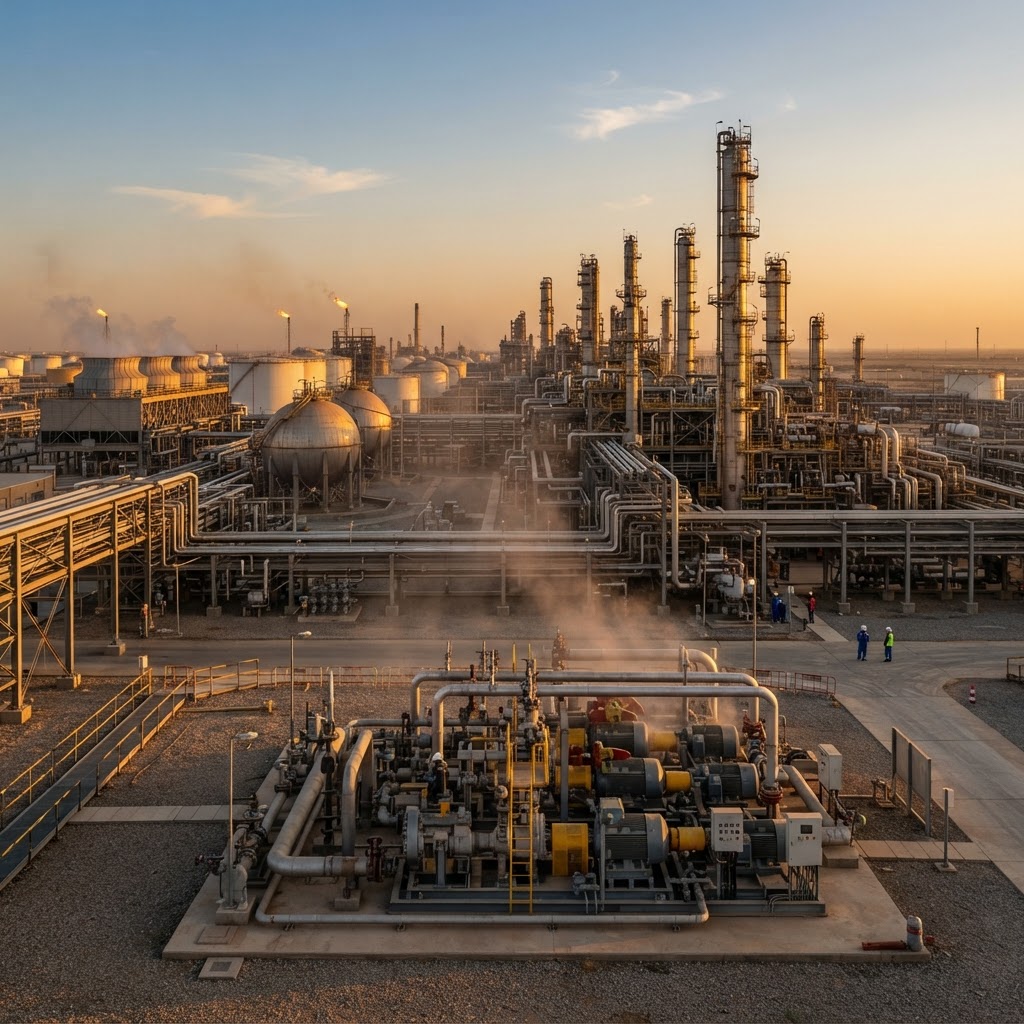
Iraqi officials have recently highlighted the nation's substantial oil production capacity, with the Oil Minister noting that the country maintains a potential output ceiling of approximately 5.5 million barrels per day. This assertion comes as Baghdad continues to engage in delicate discussions with the OPEC+ alliance regarding its assigned production quotas. While the nation currently reports total exports at roughly 3.6 million barrels per day, the government is actively pushing for a revised quota that more accurately reflects its domestic infrastructure and long-term growth objectives.
For years, Iraq has navigated a complex relationship with the producer group, frequently balancing its internal development goals against collective agreements designed to stabilize global oil prices. Although Iraq has historically been identified as an overproducer relative to its specific targets, the government has repeatedly expressed its commitment to compensating for past surpluses. These compensation plans are part of a broader effort to maintain alignment with the alliance's market management strategies through late 2025.
Looking toward the future, Iraq has set an ambitious target to expand its total production capacity to 7 million barrels per day by 2029. To achieve this, the Ministry of Oil is prioritizing nationwide drilling activities and significant infrastructure investments, including major projects in the southern fields near Basra. These efforts are intended to bolster the country's energy sector, reduce reliance on imports, and eventually increase the export of refined petroleum products.
Despite these expansion plans, the nation faces ongoing logistical and geopolitical challenges. Export operations remain heavily concentrated in the southern ports, leaving the country vulnerable to regional instability. Furthermore, the government is working to resolve long-standing disputes regarding northern export routes, which have remained largely inactive due to legal and political disagreements. As Baghdad continues to modernize its energy sector, the tension between its desire for higher market share and its obligations to the OPEC+ framework remains a central theme in its economic policy.
RELATED DISPATCHES



Discussion (0)
No comments yet. Be the first to join the discussion.