Iran’s Strategy of Prolonging Conflict Tests Trump’s Resolution
As tensions escalate in the Strait of Hormuz, President Trump faces a critical choice between renewed military action and a diplomatic breakthrough.
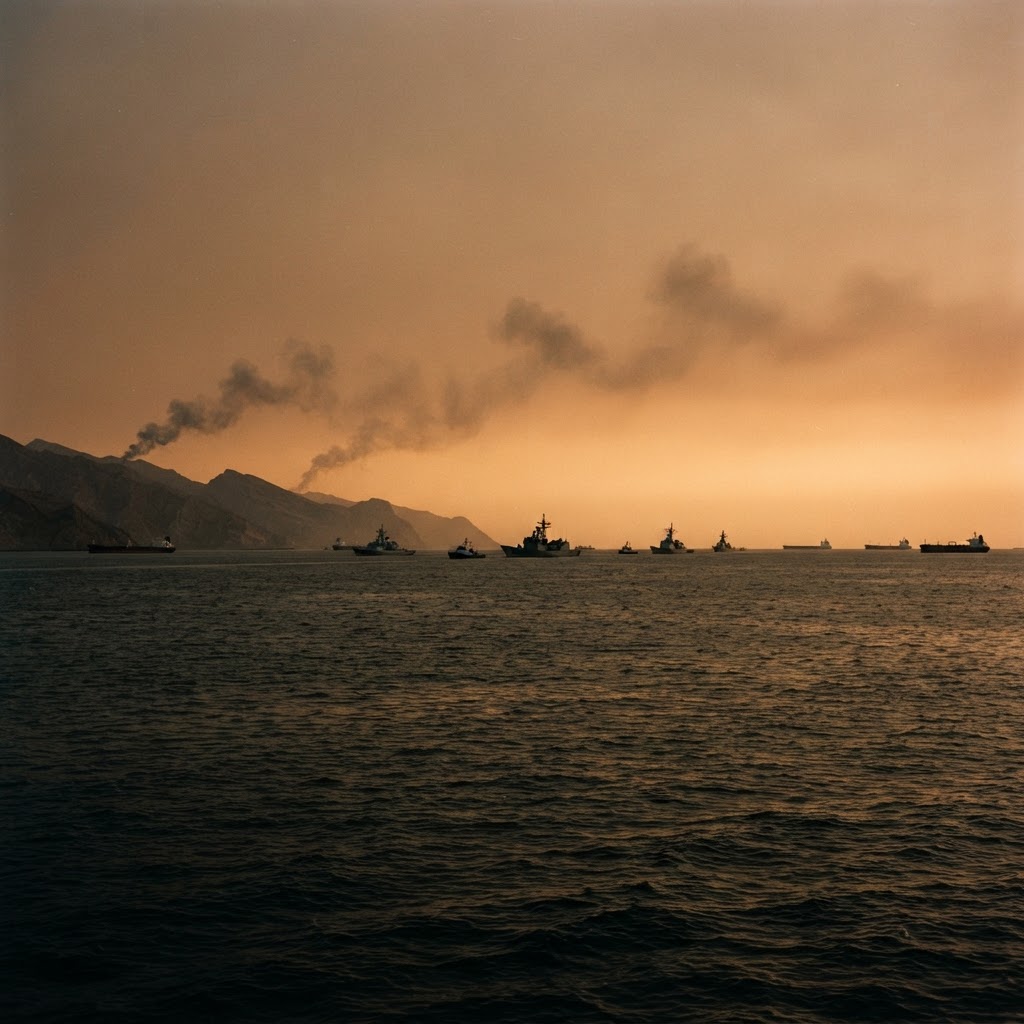
The ongoing standoff between the United States and Iran has entered a volatile phase, with Tehran signaling its readiness for a protracted conflict. Recent reports indicate that Iranian officials are bracing for potential U.S. military strikes following the upcoming midterm elections, while simultaneously warning that any new engagement could be far more enduring than previous confrontations. This strategic posture by Iran appears designed to challenge the Trump administration’s desire for a swift resolution to the regional instability.
President Donald Trump has publicly characterized the current situation as a pivotal moment, stating that he is nearing a decision on whether to pursue a final diplomatic deal or authorize a significant military escalation. While the President has previously expressed a preference for ending what he terms 'forever wars,' his administration has maintained that U.S. forces are fully prepared to launch major operations within 96 hours of receiving an order. This high-stakes game of chicken has left international observers questioning whether the current cycle of limited force can lead to a lasting agreement or if it will inevitably spiral into a wider conflict.
The situation has been further complicated by recent maritime incidents, including reports of tankers catching fire in the Strait of Hormuz. These events have underscored the fragility of the region and the persistent threat posed by Iran and its regional proxies. In response to the heightened risk, the U.S. has begun adjusting its diplomatic and military footprint in the Middle East, signaling a shift in posture as the window for a negotiated settlement narrows.
Despite the expiration of previous memorandums of understanding and the resumption of hostilities, the White House remains focused on its broader foreign policy doctrine, which emphasizes minimizing long-term military commitments while maximizing economic leverage. However, Tehran’s insistence that it is prepared for a 'doomsday' scenario suggests that the Iranian leadership is not easily deterred by the threat of force. As the post-election period approaches, the administration faces the difficult task of balancing its strategic objectives against an adversary that seems increasingly willing to endure a prolonged war of attrition.
RELATED DISPATCHES



Discussion (0)
No comments yet. Be the first to join the discussion.