International Court of Justice Rules Myanmar Committed Genocide Against Rohingya
In a historic legal first, the UN's highest court has held a state accountable for violating the 1948 Genocide Convention.
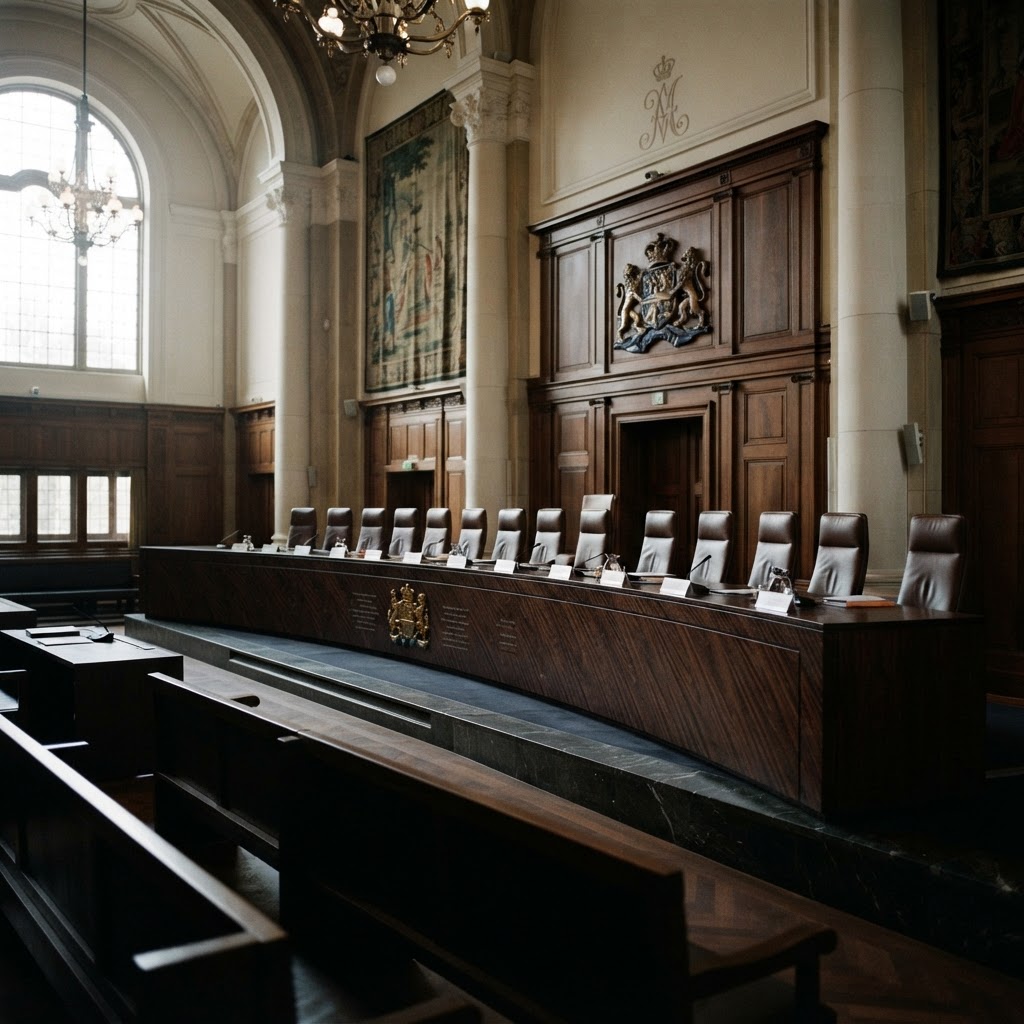
In a landmark decision delivered on November 19, 2026, the International Court of Justice (ICJ) officially determined that Myanmar is responsible for committing genocide against the Rohingya, a Muslim ethnic minority. This ruling marks the first time in history that the world’s highest court has held a sovereign state accountable for violating the 1948 Genocide Convention. The judgment, which is final and binding, concludes a years-long legal battle initiated by The Gambia.
The court’s ruling, decided by a 9-6 vote, highlights the systematic violence perpetrated by Myanmar’s security forces during so-called "clearance operations" in northern Rakhine State in 2017. Judges concluded that the military engaged in mass killings, inflicted severe physical and mental harm, and implemented measures specifically designed to prevent births within the Rohingya population. The court determined that these actions were carried out with the clear intent to destroy a substantial portion of the group.
Beyond the direct acts of violence, the ICJ found that Myanmar failed in its international obligation to prevent and punish genocidal acts. The court noted that the state did not intervene to stop atrocities committed by civilians acting alongside security forces, despite having the capacity to do so. Evidence presented to the court included harrowing testimonies of destroyed villages, mass rape, and the targeting of children, which the judges cited as proof of a deliberate, organized process of destruction.
As a consequence of these findings, the court has ordered Myanmar to take immediate steps toward accountability. This includes investigating and prosecuting those responsible for the crimes and providing full reparations to the victims. The ruling mandates that Myanmar facilitate the safe and voluntary return of displaced Rohingya to their homes and provide compensation for the extensive damage caused. The state is required to submit a formal report to the ICJ within two years detailing the specific measures taken to comply with these orders.
While Myanmar’s government has previously dismissed the allegations as limited counter-terrorism efforts, the ICJ’s judgment establishes a powerful legal precedent. UN Secretary-General António Guterres welcomed the decision, describing it as a vital demonstration of international justice. Legal experts suggest this ruling will serve as a critical reference point for future human rights cases, reinforcing the principle that impunity for horrific acts cannot be tolerated under international law.
RELATED DISPATCHES



Discussion (0)
No comments yet. Be the first to join the discussion.