International Court of Justice Rules Myanmar Committed Genocide Against Rohingya
In a historic legal first, the UN's top court has held a state responsible for genocide following the 2017 military crackdown.
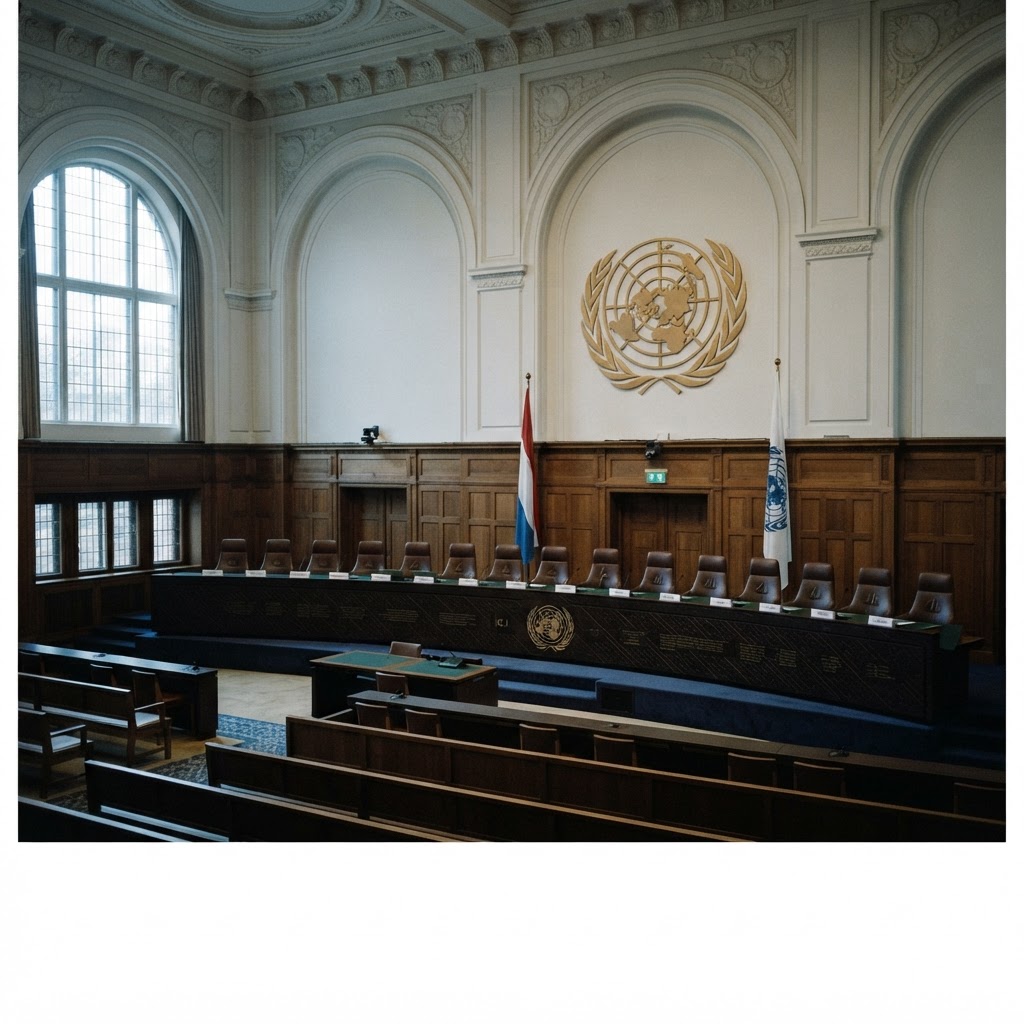
In a landmark decision delivered on November 19, 2026, the International Court of Justice (ICJ) ruled that Myanmar is responsible for committing genocide against the Rohingya minority. This historic judgment marks the first time the world’s highest court has held a sovereign state accountable for the crime of genocide under the 1948 Genocide Convention. The case, initiated by The Gambia, centered on brutal military 'clearance operations' conducted in northern Rakhine State in 2017.
By a vote of nine to six, the judges concluded that Myanmar’s security forces intentionally carried out acts aimed at destroying the Rohingya population. The court’s findings detailed a campaign of systematic violence, including the mass killing of civilians, widespread sexual assault, and the deliberate destruction of villages. The ruling specifically highlighted that the murder of infants and the imposition of restrictive measures on marriage and childbirth were clear indicators of an intent to prevent births within the group.
Beyond the direct acts of violence, the court determined that Myanmar failed in its legal obligation to prevent genocide. Judges noted that the state did not intervene to stop non-state actors from participating in the atrocities, despite having the capacity to do so. The court emphasized that the evidence, which included survivor testimonies and reports from international investigators, left no other reasonable explanation for the military's actions other than a genocidal intent.
As part of the judgment, the ICJ has mandated that Myanmar take immediate steps to provide reparations and restitution to the displaced Rohingya population. This includes facilitating the safe, voluntary, and dignified return of refugees to their homes, returning seized property, and providing physical and psychological rehabilitation. Myanmar is required to submit a report to the court within two years detailing the measures it has implemented to comply with these orders.
Legal experts view this ruling as a significant development in international law, potentially influencing future proceedings regarding state accountability. While the ICJ handles disputes between nations, the judgment serves as a powerful acknowledgment of the suffering endured by the Rohingya. The court has retained jurisdiction over the matter, ensuring that Myanmar remains under international scrutiny as it attempts to address the consequences of its actions.
RELATED DISPATCHES



Discussion (0)
No comments yet. Be the first to join the discussion.