Internal GOP Tensions Rise Following Midterm Election Losses
Data indicates a fracturing MAGA coalition as Republican leadership faces scrutiny after significant midterm defeats.
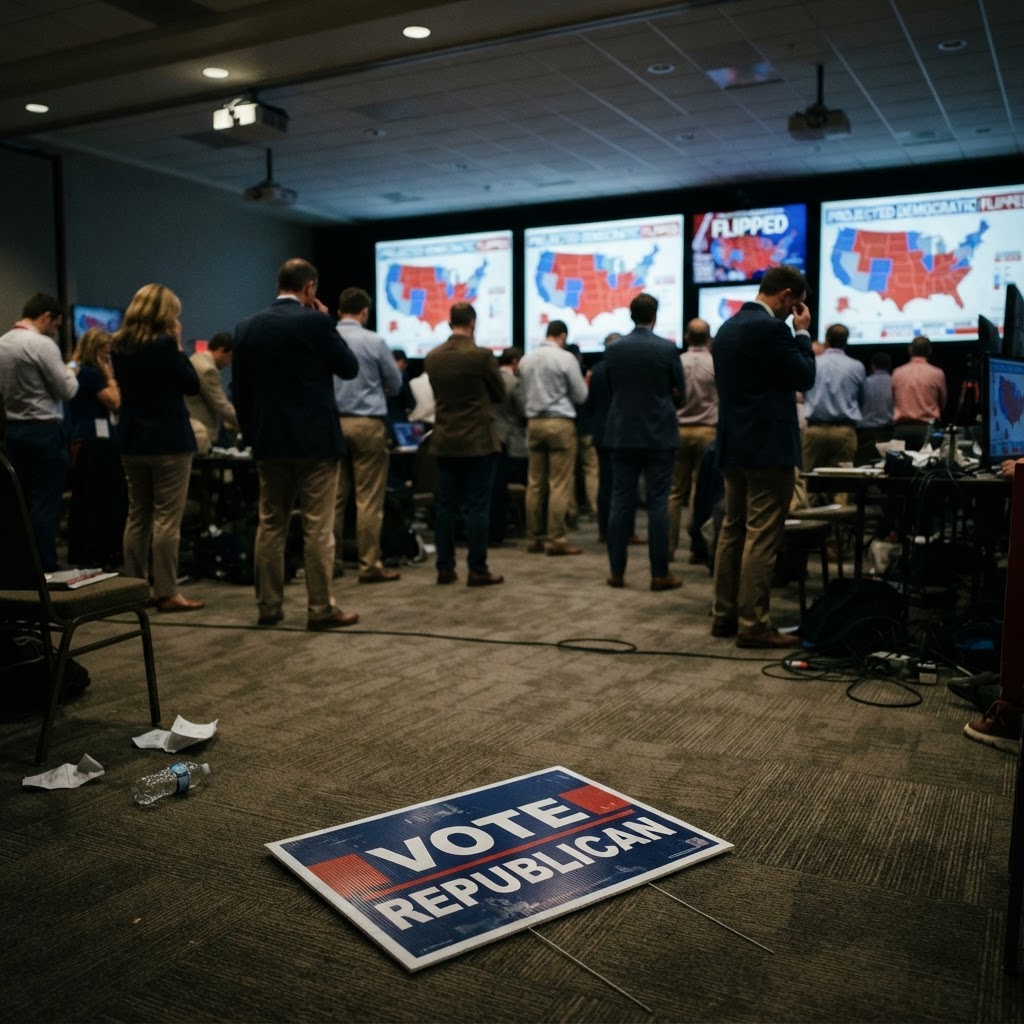
Following a resounding electoral defeat in the 2026 midterms, the Republican Party is grappling with internal discord and a visible erosion of its base. Recent data suggests that the MAGA coalition is beginning to fracture, with a notable segment of former supporters either shifting their allegiance to Democratic candidates or opting to abstain from voting entirely. This shift has left party leadership, including President Donald Trump, facing intense scrutiny regarding the future direction of the movement.
Analysis of voter behavior reveals that dissatisfaction is particularly pronounced among specific demographics, including younger male voters and those who identify as non-MAGA Republicans. Vice President JD Vance has publicly acknowledged the severity of the losses, pointing to the military conflict with Iran as a primary catalyst for the party's poor performance. This admission highlights a growing divide within the GOP, as members debate whether the administration's policy decisions alienated key segments of the electorate.
In the aftermath of the results, which saw Democrats secure control of both the House and the Senate, finger-pointing has become rampant within the House Republican conference. Lawmakers are openly questioning the efficacy of current leadership, with some members calling for a complete overhaul of the party's top ranks. The atmosphere of political instability is further compounded by reports that President Trump has discussed potential personnel changes, including the possible ousting of Defense Secretary Pete Hegseth, despite public displays of support.
As the party looks toward the next election cycle, the path forward remains uncertain. With the president’s approval ratings at historic lows, some Republicans are signaling a newfound willingness to defy the administration to protect their own political futures. This internal friction threatens to complicate the party's efforts to regroup, as potential 2028 presidential contenders begin to navigate a landscape where the traditional influence of the MAGA movement appears increasingly vulnerable.
RELATED DISPATCHES
Discussion (0)
No comments yet. Be the first to join the discussion.