Inside the Rapid Judicial Response to French Civil Unrest
French courts are utilizing expedited trial procedures to process thousands of suspects following recent large-scale riots.
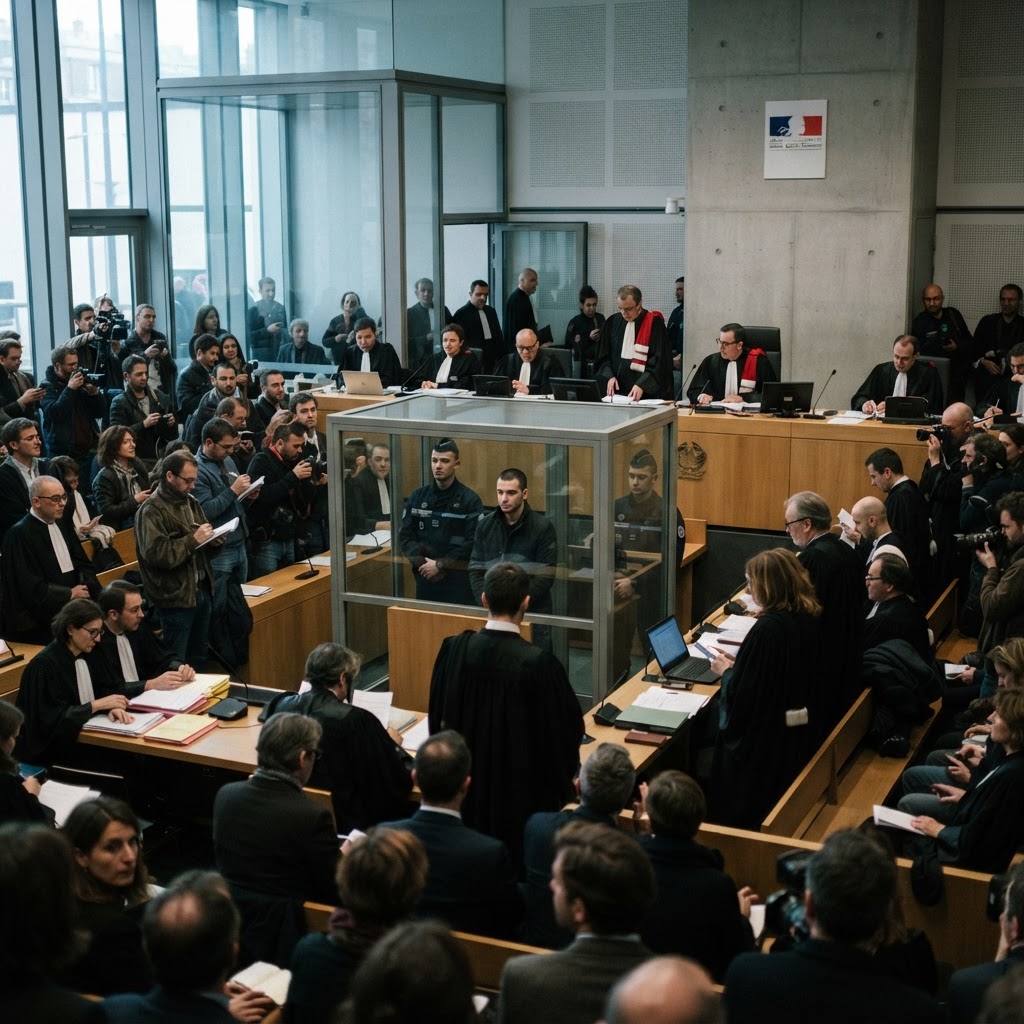
The Tribunal de Paris has become the epicenter of a high-pressure judicial operation, where judges are managing a continuous stream of expedited hearings for individuals detained during recent national unrest. These fast-track proceedings, typically reserved for minor offenses like traffic violations or petty theft, are being applied to a massive backlog of cases stemming from the country's most significant riots in years. The atmosphere inside the glass-walled courthouse is described as chaotic and hurried, as the state attempts to reassert control through a swift legal response.
Observers note that the pace of these trials often forces magistrates to operate against their own professional instincts. In many instances, judicial staff struggle to provide comprehensive background reports on defendants due to the sheer volume of people held in custody. During hearings, judges move through procedural checklists with flat, rapid delivery, leaving little room for the nuanced human context behind the defendants' actions. Prosecutors frequently emphasize the necessity of maintaining public order and deterring future re-offending, citing the urgency of the national situation.
Critics and defense attorneys have raised significant concerns regarding the fairness of this judicial process. The speed of the hearings—often conducted in a matter of hours—limits the time available for legal preparation and thorough investigation. While the government maintains that a firm and systematic response is essential to address the violence, legal observers argue that the pressure to deliver immediate verdicts risks undermining the standard of due process.
Outcomes for those appearing in these courts vary, ranging from punitive fines and community service to lengthy custodial sentences. As the legal system continues to process thousands of arrests, the reliance on these accelerated trials remains a point of intense debate. The proceedings highlight a stark tension between the state's demand for rapid accountability and the fundamental requirements of a deliberate, equitable justice system.
RELATED DISPATCHES



Discussion (0)
No comments yet. Be the first to join the discussion.