Inside the Kill Zone: How Drones Have Redefined the Ukrainian Front
A 10-to-20-mile-wide corridor along the front line has become a perilous landscape where constant aerial surveillance makes movement nearly impossible.
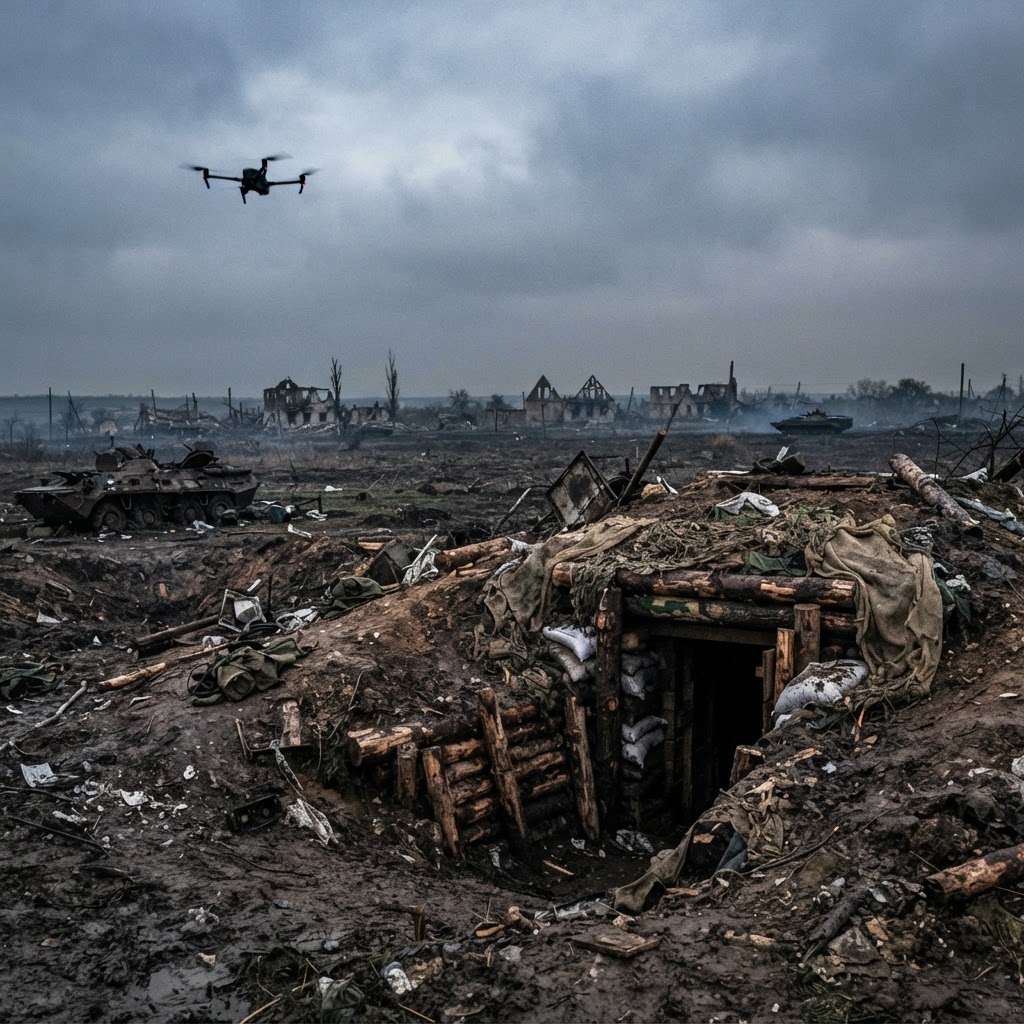
The ongoing conflict in Ukraine has settled into a grueling, static stalemate that spans over 700 miles. While the front line has seen minimal movement over the past four years, a dangerous strip of territory known as the kill zone has emerged on both sides of the divide. This corridor, typically stretching 10 to 20 miles wide, serves as the primary site for the vast majority of casualties in the war.
Modern warfare in this region is defined by the pervasive presence of unmanned aerial vehicles. These drones provide relentless reconnaissance and surveillance, turning the area into a high-stakes game of hide-and-seek. Military analysts and soldiers on the ground describe the environment as a product of drone technology, where any visible movement—even briefly emerging from a bunker—can trigger an immediate strike from artillery or loitering munitions.
Because of this constant threat, the nature of infantry deployment has shifted dramatically. Ukrainian forces, often operating with limited manpower, maintain a sparse presence on the front. Soldiers typically remain underground in fortified positions, avoiding detection by the swarms of drones that patrol the skies. Rather than engaging in traditional large-scale maneuvers, these small, dispersed units function primarily as spotters, relaying coordinates to drone operators positioned further behind the lines.
This transformation has effectively rendered the traditional massing of troops and heavy artillery obsolete in the immediate vicinity of the front. The kill zone is now a persistent, deadly space where the integration of mines, artillery, and drone technology creates a barrier that is difficult to traverse. As both sides continue to refine their aerial capabilities, this corridor remains a grim testament to the evolving nature of 21st-century combat.
RELATED DISPATCHES



Discussion (0)
No comments yet. Be the first to join the discussion.