India’s Trade Gap Hits One-Year Peak Amid Festive Surge and Energy Costs
Record-breaking exports were overshadowed by a sharp rise in imports, pushing the merchandise trade deficit to $39.88 billion in October.
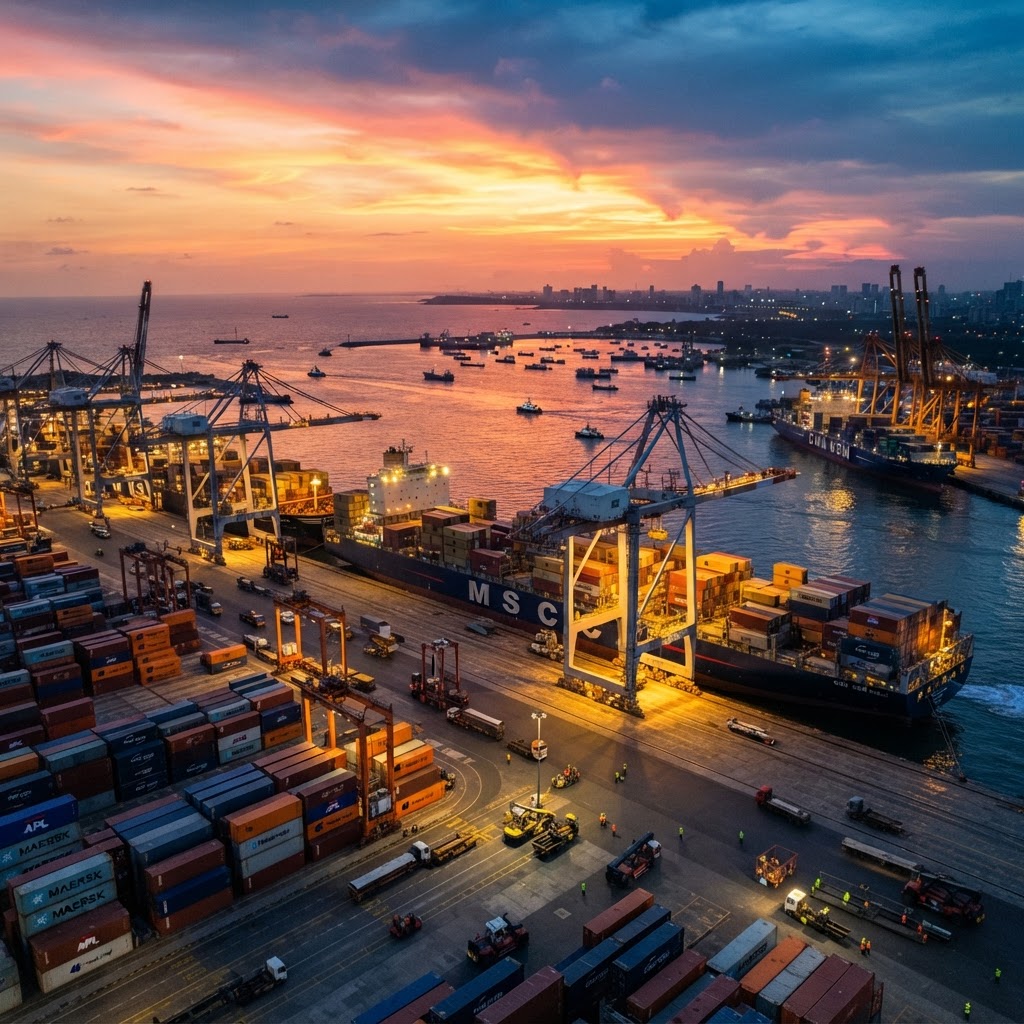
India’s merchandise trade deficit expanded to a one-year high of $39.88 billion in October, according to official data released by the Ministry of Commerce and Industry. While the nation achieved a historic milestone with monthly goods exports reaching an all-time high of $49.47 billion, the pace of inbound shipments significantly outstripped outbound trade, resulting in a wider-than-expected shortfall.
The surge in imports, which climbed to $89.35 billion, was largely driven by a combination of elevated global energy prices and robust domestic consumption during the festive season. As the world’s third-largest oil consumer, India faced increased pressure on its import bill due to supply chain disruptions and geopolitical tensions in West Asia, which kept crude oil costs high throughout the month.
Consumer behavior also played a pivotal role in the trade data. Ahead of the Diwali festival, demand for precious metals saw a notable spike, with gold imports nearly tripling to $5.51 billion compared to the previous month. This seasonal appetite for gold, coupled with higher spending on electronic goods and petroleum products, contributed heavily to the record import figures.
Despite the widening merchandise gap, government officials remain optimistic about the broader economic trajectory. Commerce Secretary Rajesh Agrawal highlighted that the country’s export performance—supported by market diversification and new trade agreements—remains strong. When accounting for the services sector, which continues to maintain a healthy surplus, the overall trade picture appears more balanced than the merchandise-only figures suggest.
Looking ahead, analysts are monitoring global energy markets closely. While the trade deficit exceeded the median market forecast of $33.30 billion, the government continues to push toward a target of $1 trillion in total exports by the end of the current financial year, banking on sustained global demand and improved trade relations with key international partners.
RELATED DISPATCHES


Discussion (0)
No comments yet. Be the first to join the discussion.