India Advances Clean Energy Infrastructure and Battery Recycling Policies
The government approves a major power transmission corridor while implementing a ban on the export of recycled lithium-ion battery materials.
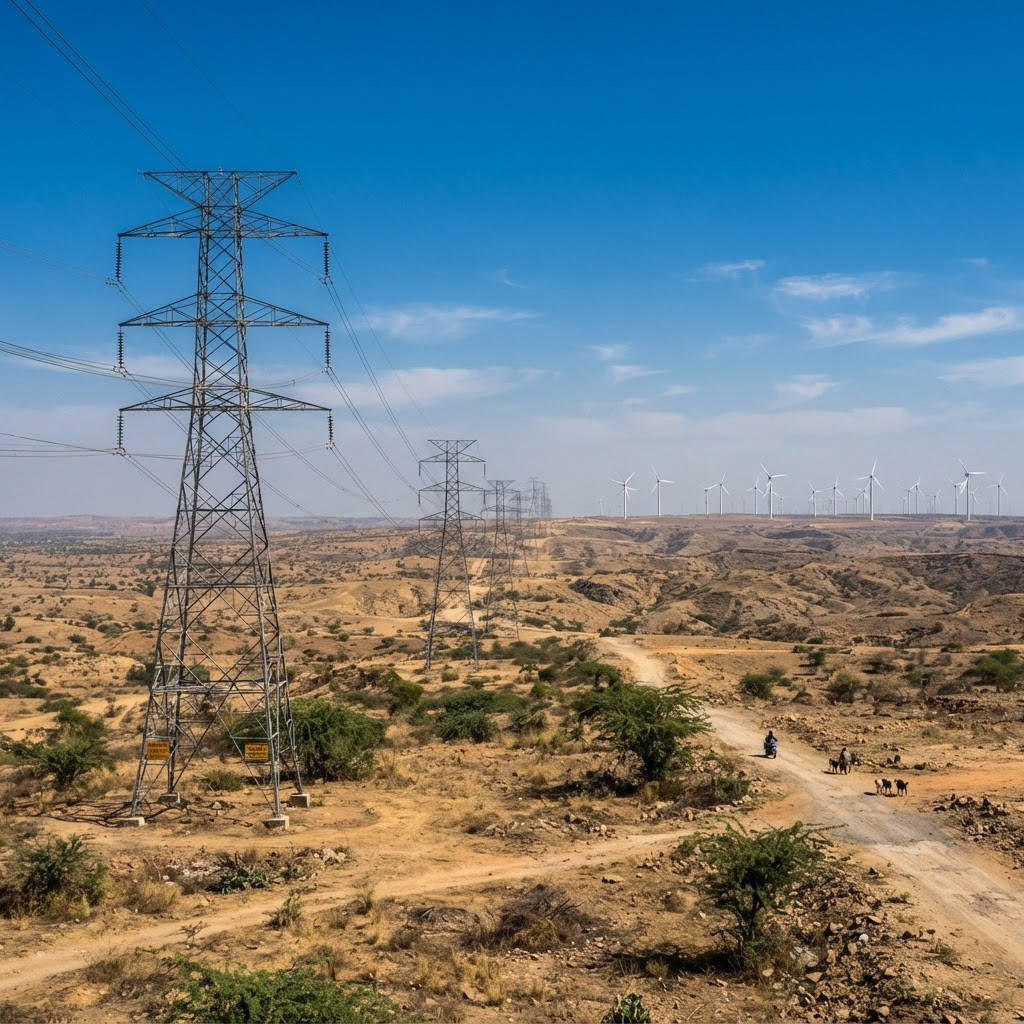
The Indian government has officially approved the construction of a high-capacity power transmission corridor designed to facilitate the movement of clean electricity from the nation's western regions. This strategic infrastructure project is a critical component of India's broader effort to support its rapidly expanding renewable energy sector and ensure a more stable distribution of green power across the country. By enhancing grid connectivity, the initiative aims to integrate larger volumes of renewable energy into the national supply chain. In a separate but equally significant move regarding the energy sector, authorities have announced a ban on the export of lithium-ion battery black mass. This recycled material, which contains valuable metals, is now restricted from leaving the country to ensure that these essential resources remain available for domestic manufacturing and circular economy initiatives. This policy shift underscores India's commitment to securing its battery supply chain as the demand for electric vehicles and energy storage solutions continues to climb. These developments reflect a dual focus on modernizing physical energy infrastructure while simultaneously tightening regulations on critical mineral resources. As India pursues its long-term sustainability goals, these measures are expected to play a pivotal role in fostering a more self-reliant and environmentally conscious industrial landscape.
RELATED DISPATCHES

Discussion (0)
No comments yet. Be the first to join the discussion.