Gulf Nations Prepare for Potential Escalation as U.S. Midterm Deadline Approaches
Regional allies brace for possible renewed conflict between Washington and Tehran following the U.S. midterm elections.

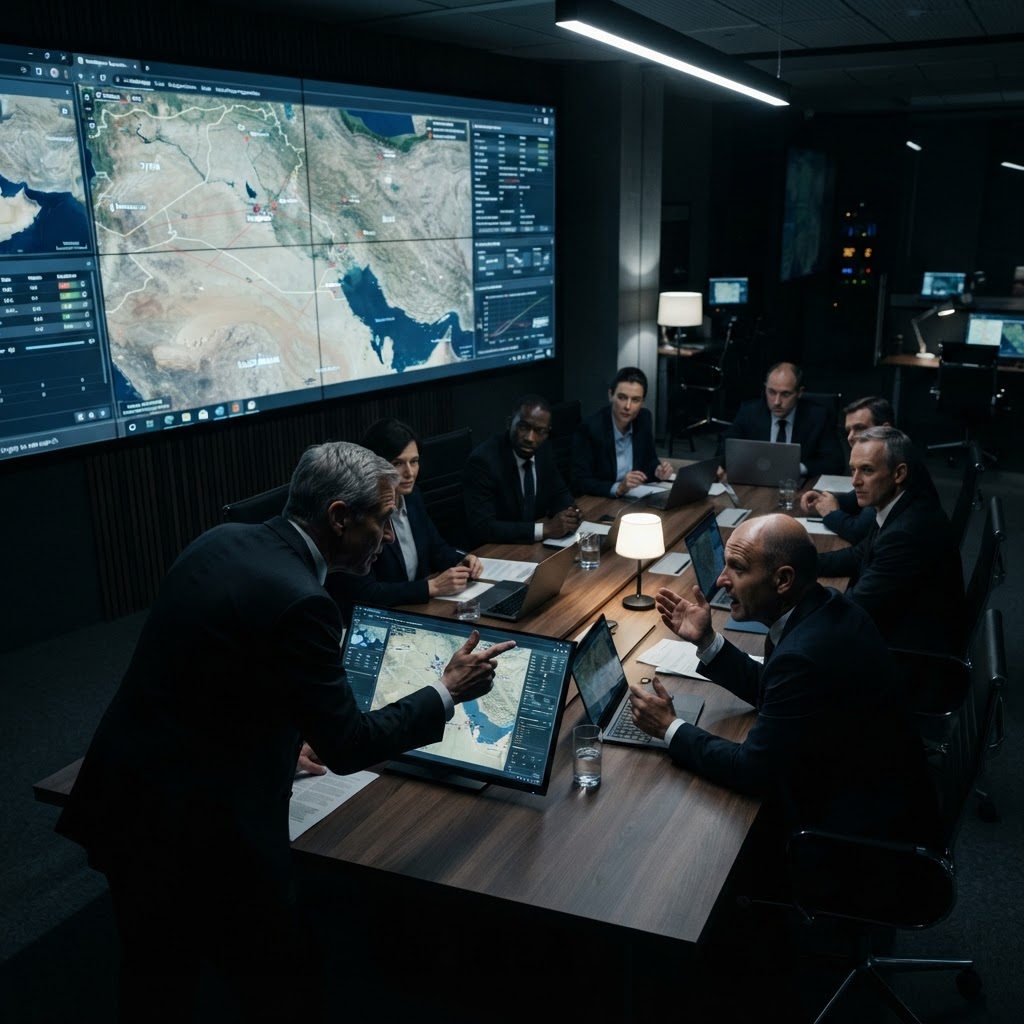
As the United States approaches its midterm elections, Persian Gulf nations are bracing for the possibility of a significant military escalation. Regional officials are increasingly concerned that President Donald Trump may authorize a new wave of strikes against Iran once the electoral cycle concludes. This apprehension persists despite ongoing, high-level diplomatic efforts aimed at de-escalating tensions that have gripped the region for months.
Recent security conferences in the region have been overshadowed by the looming threat of renewed hostilities. While diplomats and military leaders have engaged in formal discussions, the underlying consensus remains one of deep anxiety. Many Gulf states, which host critical American military infrastructure and vital energy facilities, fear they could become primary targets should the conflict intensify beyond previous engagements.
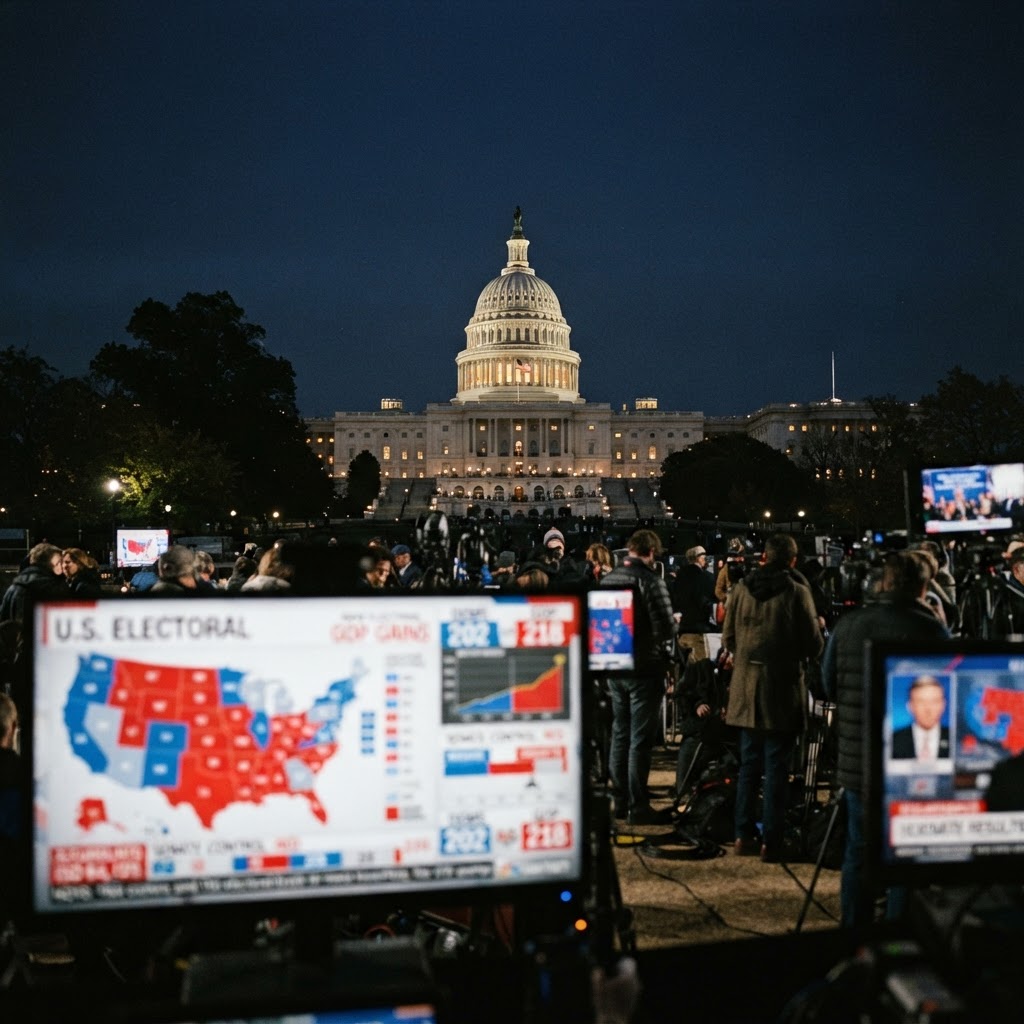
In the lead-up to the November 3 vote, the U.S. military conducted a defensive operation targeting Qeshm Island to neutralize potential surface-to-air threats. Meanwhile, the White House has maintained an ambiguous stance, oscillating between public expressions of hope for a diplomatic breakthrough and warnings that several Iranian targets remain under consideration for future action. This uncertainty has left regional partners in a state of high alert.
Behind the scenes, a flurry of activity is underway to prevent a wider war. Saudi Arabia has dispatched officials to Tehran to advocate for peace, while Qatar continues to lead mediation efforts between the U.S. and Iran. Despite these initiatives, Iranian leadership has signaled that they are prepared for both defense and diplomacy, warning that any future military response would be geographically unrestricted and potentially more destructive than previous rounds of fighting.
As the midterm deadline passes, the international community remains focused on whether the current diplomatic window can yield a lasting settlement or if the region is destined for a more severe phase of conflict. With both sides publicly asserting their readiness for either outcome, the stability of the Persian Gulf hangs in a precarious balance.
RELATED DISPATCHES
Discussion (0)
No comments yet. Be the first to join the discussion.