GOP Lawmakers Target Defense Secretary Hegseth Following Midterm Defeats
Republican officials are distancing themselves from Pete Hegseth, blaming him for the party's significant losses in the 2026 midterm elections.
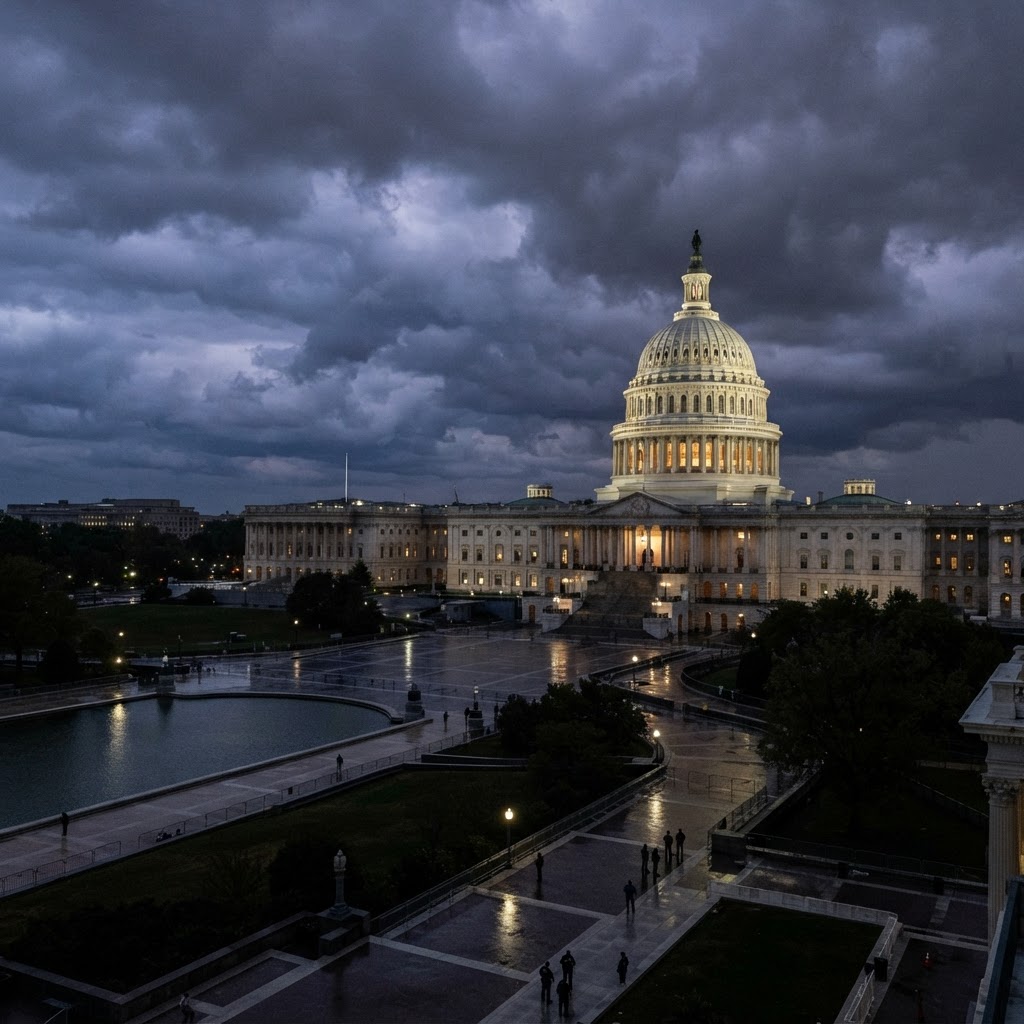
In the wake of a historic electoral defeat during the 2026 midterms, members of the Republican Party are increasingly pointing fingers at Defense Secretary Pete Hegseth. Many GOP lawmakers and political allies are privately arguing that Hegseth was a primary architect behind the administration's decision to engage in a military conflict with Iran, a move they claim lacked a clear exit strategy or a plan to mitigate political consequences.
Internal frustration has reached a boiling point, with some party insiders suggesting that Hegseth should be held accountable for the electoral thrashing the party endured. Critics within the party have accused the Defense Secretary of providing inaccurate or misleading information regarding military objectives and timelines, labeling his performance as unacceptable.
Representative Thomas Massie has taken a formal step in this growing backlash by announcing plans to reintroduce articles of impeachment against Hegseth. The House could potentially move to vote on these measures as early as next week, signaling a significant fracture within the administration's support base.
While some GOP strategists acknowledge that the party's struggles were multifaceted and extended well beyond the war in Iran, the focus on Hegseth has become a convenient rallying point for those seeking to assign blame. Despite the mounting pressure and the threat of congressional scrutiny, sources close to the Defense Secretary indicate that he remains defiant and expects to maintain his position for the time being.
President Donald Trump has not yet indicated any intention to dismiss top officials, leaving the future of the Pentagon's leadership uncertain. For those who have long opposed the open-ended military engagement in Iran, the push to remove Hegseth is viewed as a vital first step toward shifting the administration's current foreign policy trajectory.
RELATED DISPATCHES



Discussion (0)
No comments yet. Be the first to join the discussion.