Global Powers Commit to Boosting Refined Petroleum Supplies
The United States, China, and Russia pledge to increase fuel production to stabilize markets amid ongoing geopolitical conflicts.
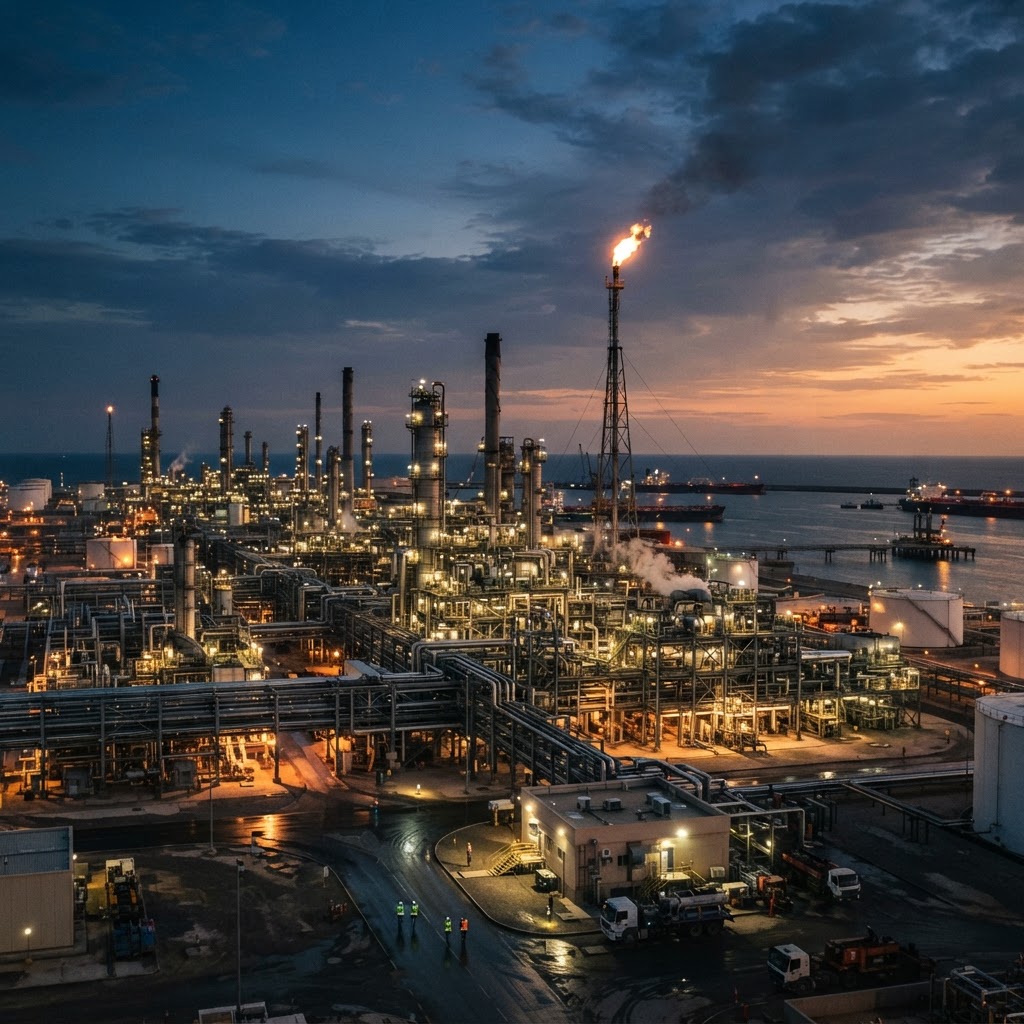
In a significant diplomatic development, the leaders of the United States, China, and Russia have issued a joint declaration promising to collaborate on increasing the global supply of refined petroleum products. The agreement, reached during a high-level trilateral meeting in Shenzhen, aims to address the persistent market volatility and price spikes that have plagued the energy sector since the onset of the war in Iran. By prioritizing the availability of fuels like diesel and gasoline, the three nations seek to foster greater stability for the global economy.
While the pledge has been welcomed as a positive signal for international cooperation, industry experts remain cautious regarding its immediate impact. The joint statement notably lacks specific production quotas, timelines, or concrete implementation mechanisms. Consequently, market analysts are waiting for further details to determine how these major powers intend to translate their political commitment into tangible increases in fuel output.
Each of the three nations faces unique domestic constraints that complicate the promise of higher production. In the United States, refineries are already operating at near-maximum capacity, leaving little room for a rapid surge in output. Meanwhile, China’s refining sector has struggled with fluctuating crude availability, and Russia continues to grapple with the operational consequences of the ongoing conflict in Ukraine, which has repeatedly targeted its energy infrastructure.
Despite these hurdles, the involvement of the world's largest oil producers and consumers underscores the urgency of the current energy situation. The global market has been under immense pressure, with refined product flows from key regions remaining significantly below pre-conflict levels. As the international community monitors the situation, the effectiveness of this initiative will ultimately depend on the ability of these nations to overcome logistical, technical, and geopolitical barriers to restore stable energy flows.
RELATED DISPATCHES



Discussion (0)
No comments yet. Be the first to join the discussion.