Global Markets Reel Following US Midterm Election Results
Investors retreat from risk as political shifts and regulatory concerns trigger a sharp equity market correction.
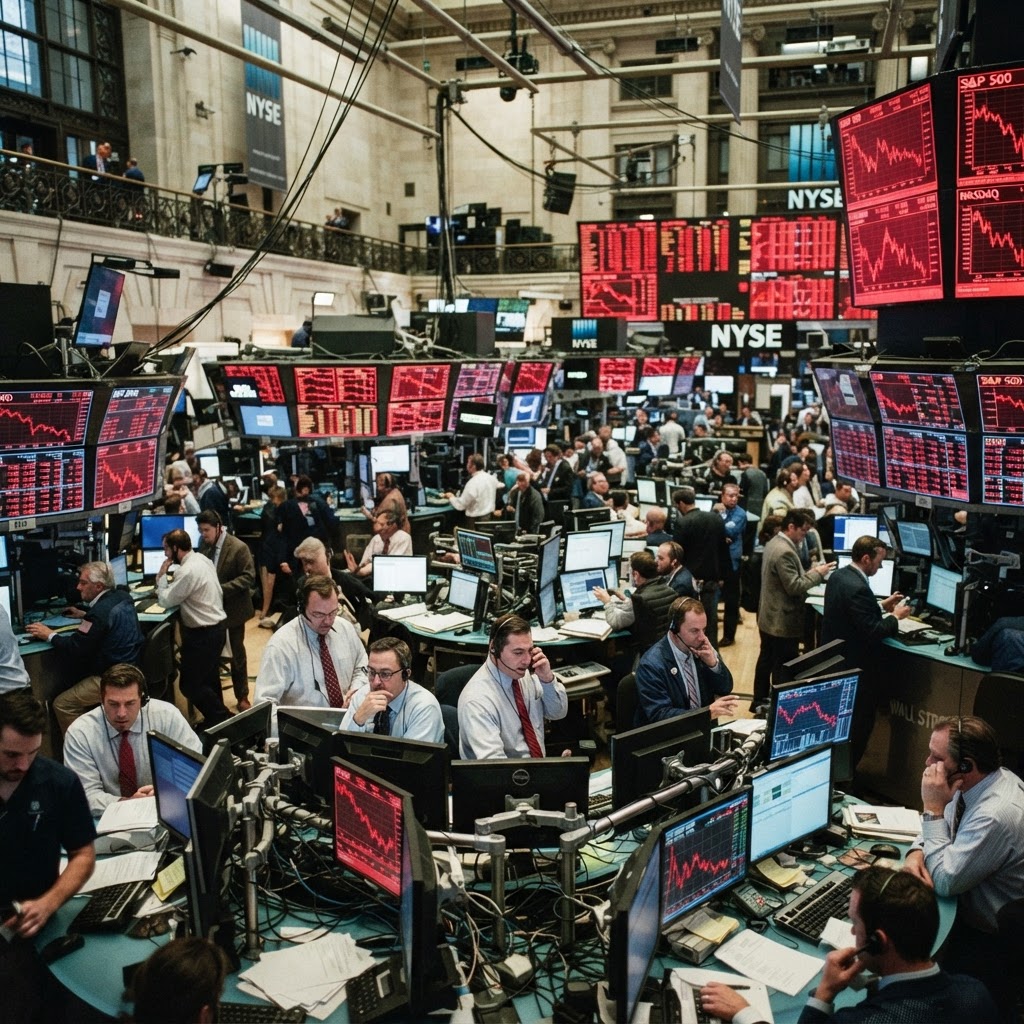
US equity markets faced a significant downturn this week, as a wave of selling swept across major indices following the results of the midterm elections. The S&P 500 recorded its most substantial single-day decline in over a year, while the tech-heavy Nasdaq Composite officially entered correction territory—defined as a drop of at least 10% from recent highs. This volatility was further underscored by a sharp spike in the VIX, often referred to as Wall Street's fear gauge, which reached its highest level since March.
Market analysts point to the election outcomes as the primary catalyst for the sudden shift in sentiment. Investors are increasingly anxious about the potential for heightened regulatory scrutiny, particularly regarding the artificial intelligence sector. Reports suggest that nearly half of planned US data center capacity could face delays or restrictions due to newly elected officials advocating for construction moratoriums, casting doubt on the sustainability of the recent AI-driven market rally.
Beyond political concerns, the selloff was exacerbated by forced deleveraging from systematic investment funds, which amplified the downward pressure across multiple sectors. The negative momentum quickly crossed borders, impacting international markets and leading to sharp declines in Asian equities, including a notable drop in South Korean markets. European indices also felt the strain, with benchmarks like the BUX closing lower as global risk aversion took hold.
Despite the intense pressure, some signs of stabilization emerged toward the end of the week. US equity futures showed a modest rebound in technology shares, and investors began to weigh the impact of stronger-than-expected October nonfarm payroll data. While the labor report pushed Treasury yields higher, it provided a focal point for market participants attempting to navigate the current environment of heightened economic uncertainty and shifting political landscapes.
RELATED DISPATCHES



Discussion (0)
No comments yet. Be the first to join the discussion.