Global Economic Momentum Stalls as Iran Conflict Intensifies
Analysts warn of a significant worldwide slowdown and rising inflation as geopolitical instability disrupts critical energy corridors.
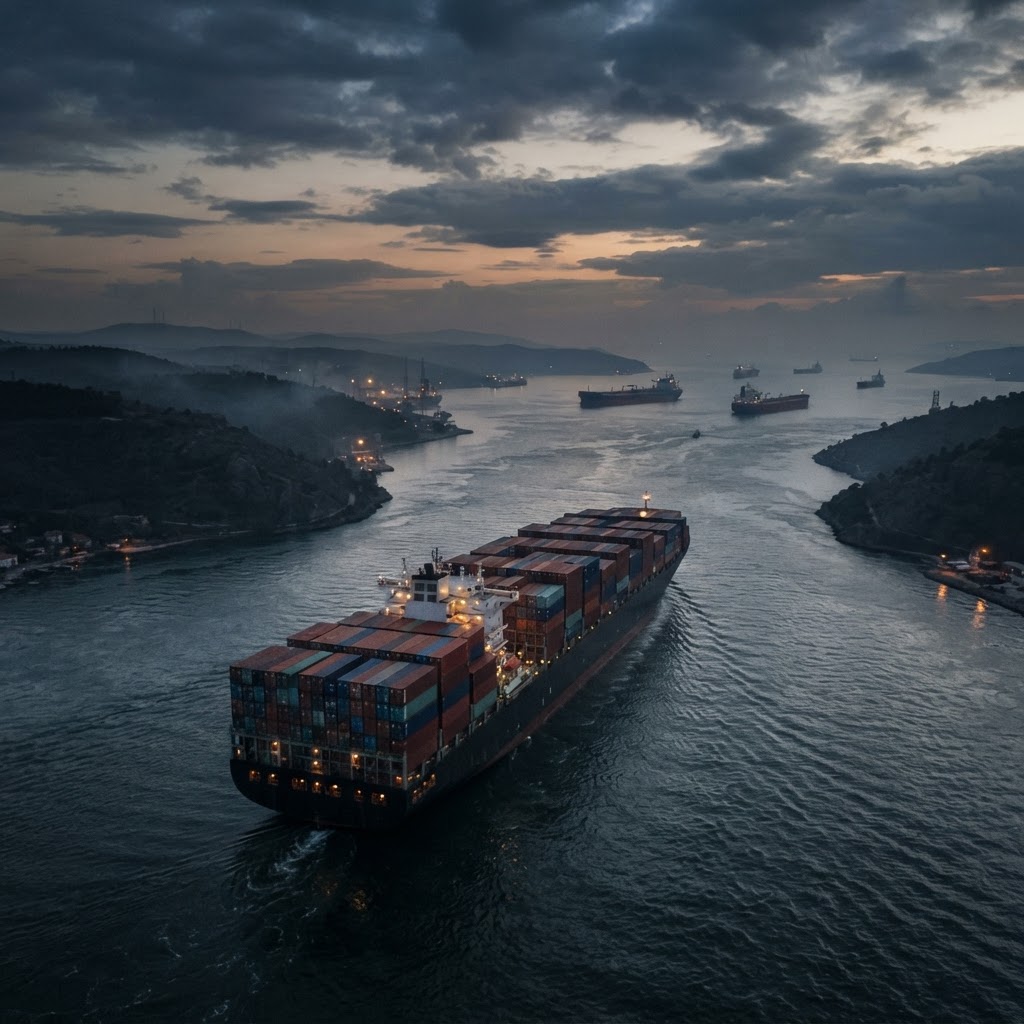
The global economy is facing a period of heightened uncertainty as the ongoing conflict involving Iran continues to exert downward pressure on growth projections. Financial experts at Bloomberg Economics and the International Monetary Fund have signaled that the world is experiencing a notable deceleration in economic activity, with 2026 growth forecasts being revised downward to levels not seen since the 2020 pandemic era. This downturn is largely attributed to the volatile energy market and the broader geopolitical fallout stemming from the hostilities in the Middle East.
Central to these economic concerns are the threats to vital maritime trade routes. The potential closure or restriction of the Strait of Hormuz and ongoing instability in the Red Sea have created significant bottlenecks for global shipping. Because these regions facilitate a substantial portion of the world's oil and gas transit, any disruption directly translates into soaring energy costs for nations across the globe. These increased operational expenses are forcing shipping lines to consider longer, more expensive routes around southern Africa, further straining supply chains.
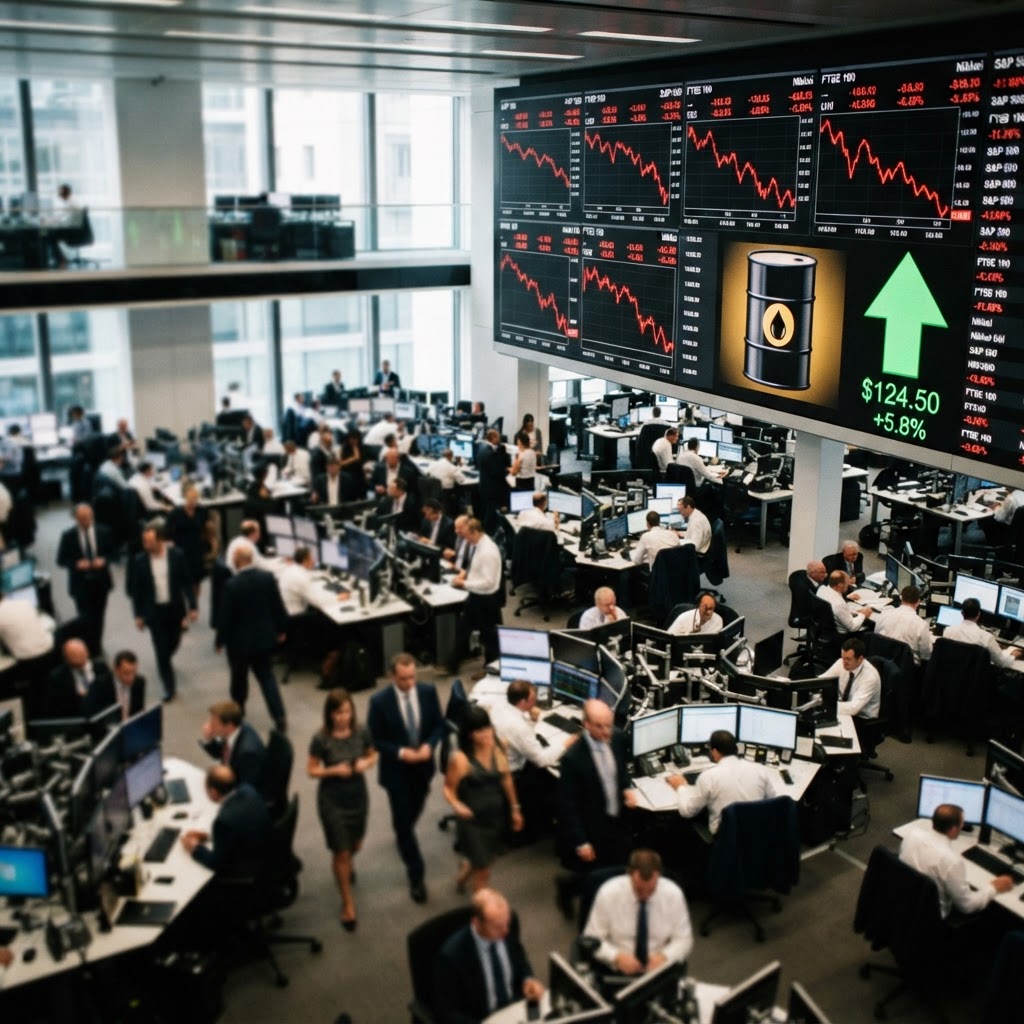
Beyond the immediate impact on fuel prices, the conflict is fueling fears of persistent stagflation. As energy prices remain elevated, inflationary pressures are becoming more entrenched, complicating the efforts of central banks to stabilize their respective economies. The IMF has cautioned that the poorest nations, which often lack the financial reserves to absorb such shocks, are particularly vulnerable to this environment of weaker growth and higher prices.
Market analysts are closely monitoring the situation for any signs of de-escalation, noting that the current climate of uncertainty is keeping bond yields at multi-year highs. While some oil flows have shown signs of resilience, the persistent risk to infrastructure remains a primary concern for investors. As the conflict enters its third quarter, the consensus among economists is that the global recovery has been effectively halted, with the long-term outlook remaining heavily dependent on the duration and intensity of the regional war.
RELATED DISPATCHES

Discussion (0)
No comments yet. Be the first to join the discussion.