Future of US Airline Consolidation Sparks Industry Debate
As carriers navigate thin profit margins and rising costs, the potential for further mergers raises concerns about competition and passenger fares.
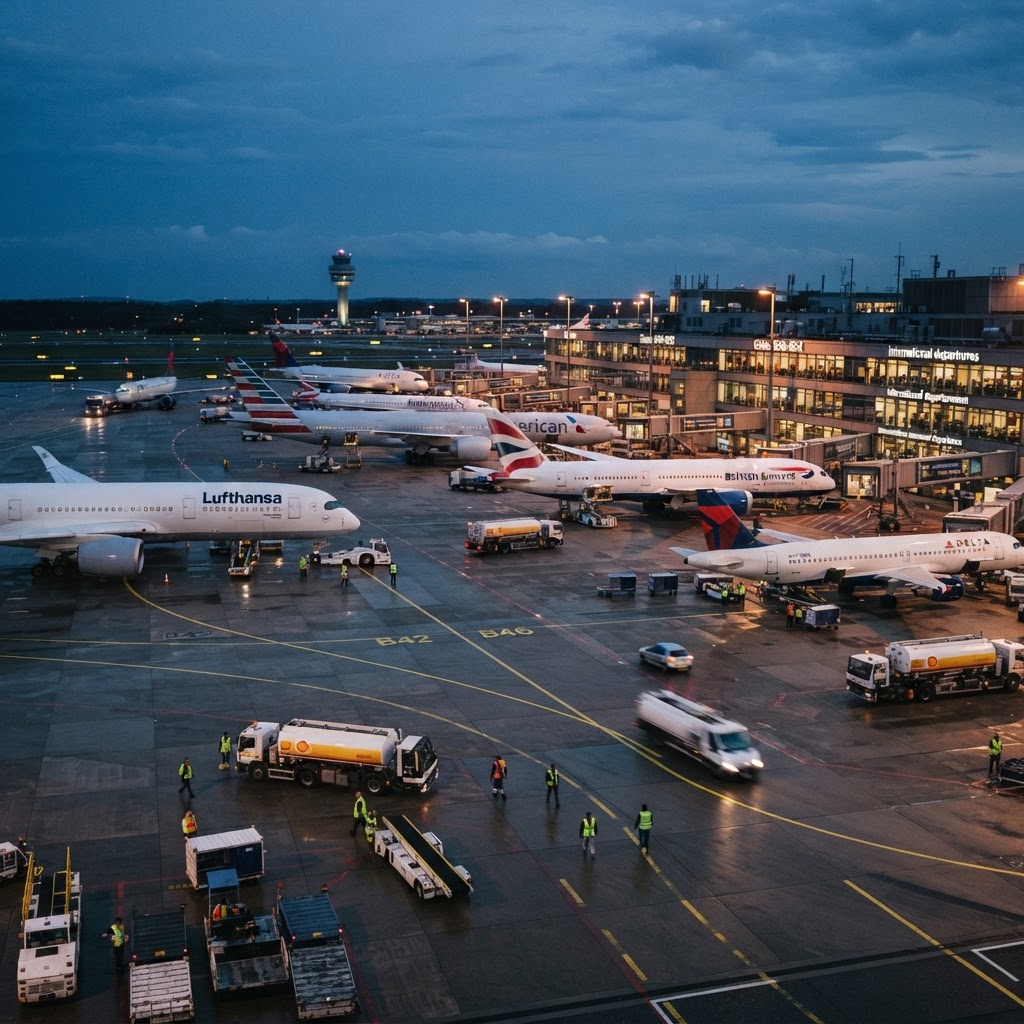
The landscape of the American aviation sector is facing renewed scrutiny as industry experts and regulators weigh the implications of continued consolidation. Following a series of high-profile mergers over the last two decades, the market has become increasingly dominated by a few major players. Recent activity, such as Allegiant’s acquisition of Sun Country, highlights a trend where airlines are seeking stability in an environment characterized by volatile fuel prices and intense pressure to maintain profitability.
While the industry has historically relied on mergers to achieve scale, the current climate is marked by a more cautious approach from federal regulators. The Department of Justice has demonstrated a willingness to challenge deals that threaten to reduce competition on specific routes, as seen in the successful effort to block the proposed merger between JetBlue and Spirit. This shift toward stricter antitrust enforcement reflects a broader concern that further concentration could limit consumer choice and diminish service quality.
Financial pressures remain a primary driver for these consolidation efforts. Airlines are currently grappling with high operational costs and are increasingly prioritizing disciplined pricing strategies over the traditional goal of maximizing passenger volume. By choosing to fly with fewer seats filled rather than slashing fares, carriers are attempting to protect their bottom lines against rising expenses. However, this strategy often results in higher ticket prices for the traveling public.
Research from the Government Accountability Office suggests that while the long-term trend has seen increased competition and lower inflation-adjusted fares compared to two decades ago, the short-term impact of individual mergers is often negative for consumers. Passengers on routes affected by consolidation frequently face higher fares and reduced service reliability. As the industry continues to evolve, the tension between the need for corporate efficiency and the necessity of maintaining a competitive marketplace remains a central challenge for policymakers and airline executives alike.
RELATED DISPATCHES



Discussion (0)
No comments yet. Be the first to join the discussion.