Federal Court Blocks Army's Plan to Detonate Toxic Chemicals in Iowa
A federal appeals court has issued a temporary stay on the U.S. Army's plan to destroy nearly five tons of unstable lead azide following intense public and legal pushback.
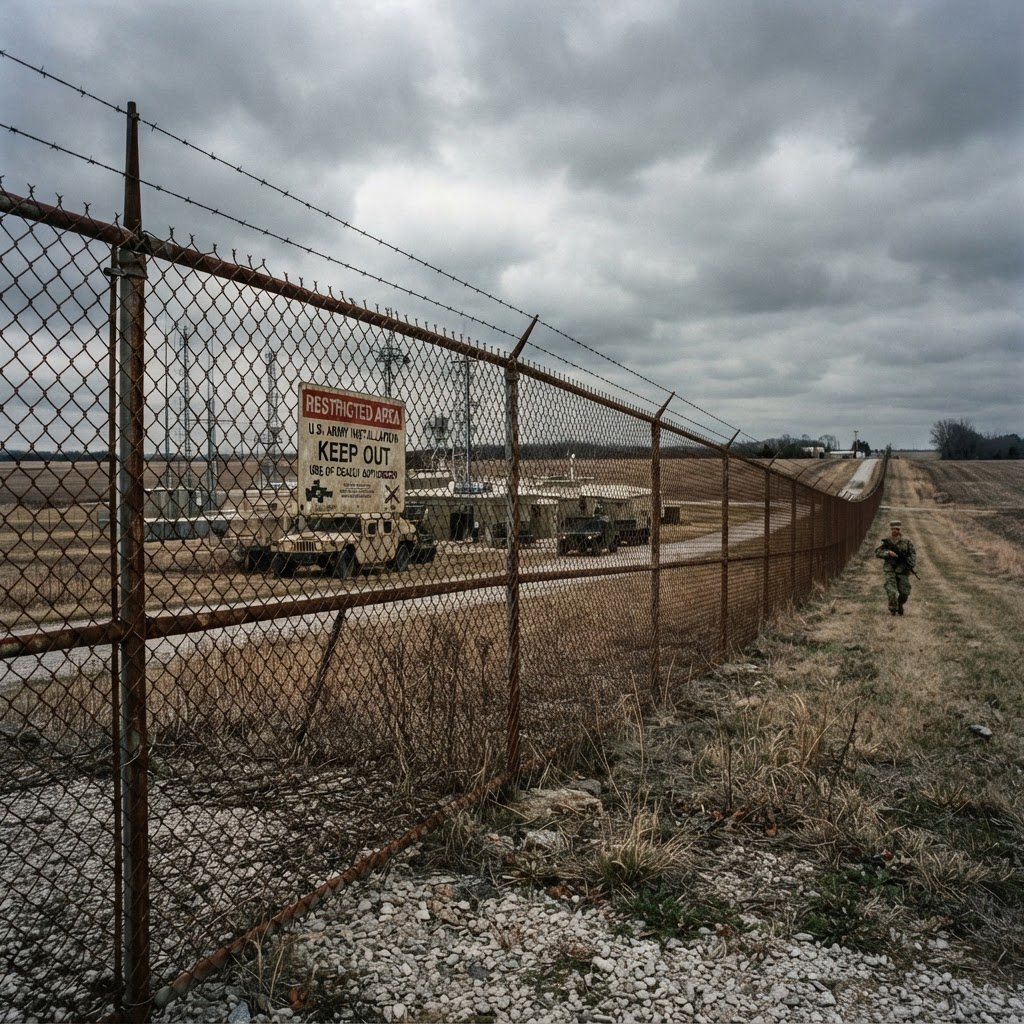
A federal appeals court has intervened to halt the U.S. Army's controversial plan to conduct a controlled detonation of approximately 10,000 pounds of lead azide at the Iowa Army Ammunition Plant in Middletown. The Eighth Circuit Court of Appeals granted an administrative stay on Friday, effectively freezing the Environmental Protection Agency permit that authorized the operation. This legal action follows an emergency motion filed by the Iowa Environmental Council and the Sierra Club’s Iowa chapter, which argued that the blast could release hazardous lead dust over a vast area.
The Army had initially scheduled the destruction of the 68 barrels of degraded explosive material for Friday, but had already pushed the timeline to Monday, November 23, citing concerns over a forecasted temperature drop that could further destabilize the sensitive chemicals. Acting Army Secretary Adam Telle previously defended the detonation as the most responsible method for disposing of the material, which officials claim is too volatile to transport safely. However, the court's decision now leaves the operation in limbo, with no clear indication of when or if the blast will proceed.
Local residents, farmers, and lawmakers have expressed significant alarm regarding the potential for environmental contamination. Critics of the plan contend that the resulting plume of lead-laden dust could settle across homes, waterways, and agricultural land, posing long-term health risks to people, livestock, and wildlife. Some projections suggested the impact could reach communities up to 100 miles away, fueling widespread fear and confusion throughout the region.
In addition to the environmental concerns, the legal challenge highlights allegations that the EPA failed to adequately evaluate the potential consequences or consider safer alternatives before granting the permit. Furthermore, many local officials have criticized the Army’s communication strategy, claiming that the public was not provided with sufficient or timely information regarding the risks. As the legal battle continues, the future of the disposal operation remains uncertain, leaving the community waiting for further guidance from the court.
RELATED DISPATCHES
Fourteen Charged in Massive Southern California Train Heist Ring
39 minutes 18 seconds ago
Florida Surgeon Sentenced to Death After Representing Himself in Murder Trial
39 minutes 36 seconds ago
Trump Defends Trilateral Summit Ties Amid Domestic Criticism
39 minutes 44 seconds agoDiscussion (0)
No comments yet. Be the first to join the discussion.