Federal Court Blocks Army’s Plan to Detonate Explosives in Iowa
A federal appeals court has issued an emergency stay on the U.S. Army's plan to destroy nearly five tons of unstable lead azide following public outcry and legal action.
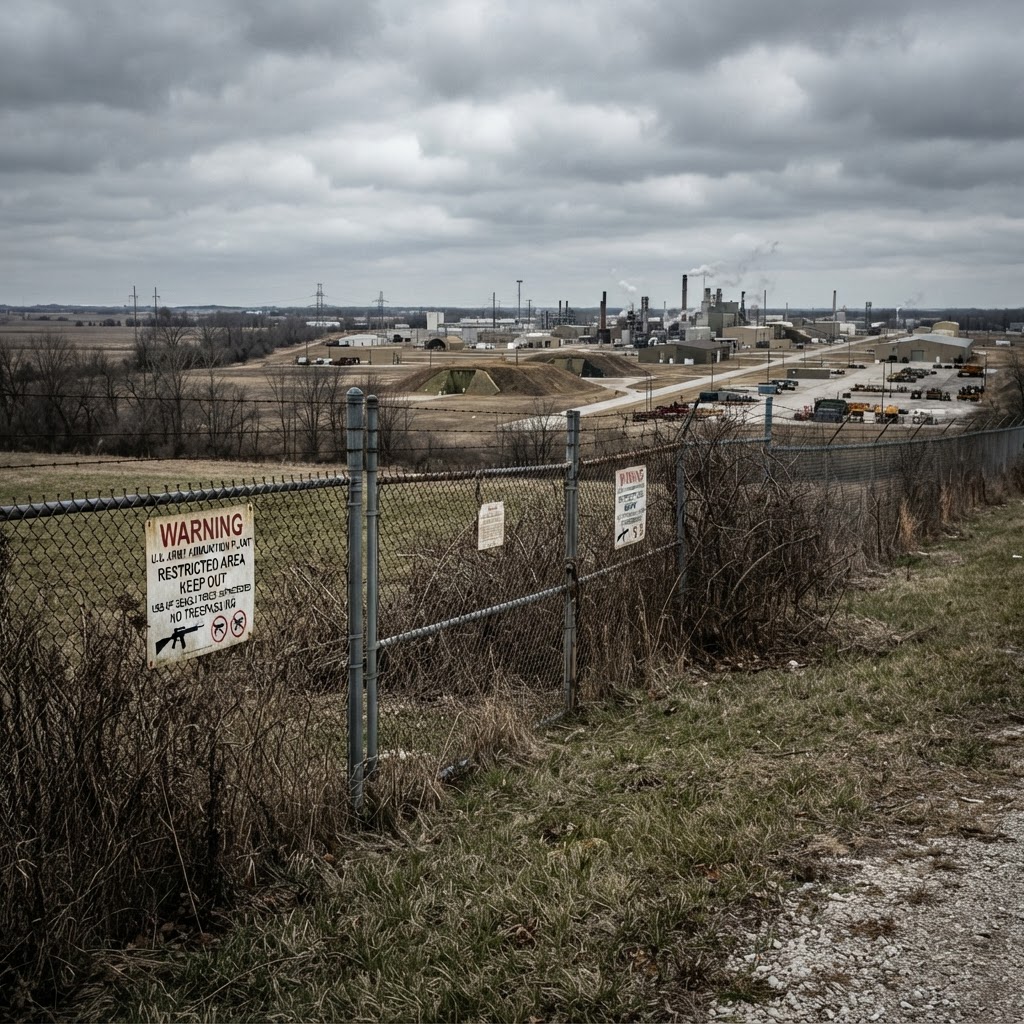
A federal appeals court has intervened to halt the U.S. Army’s controversial plan to conduct a controlled detonation of approximately 9,700 pounds of degraded lead azide at the Iowa Army Ammunition Plant in Middletown. The Eighth Circuit Court of Appeals granted an administrative stay on the Environmental Protection Agency’s (EPA) emergency permit, effectively pausing the operation while the court reviews a lawsuit filed by the Iowa Environmental Council and the Sierra Club’s Iowa chapter.
The environmental organizations argue that the EPA failed to adequately assess the potential health risks or explore safer disposal alternatives before authorizing the blast. Their legal challenge highlights concerns that the detonation could release a toxic plume of lead dust, potentially contaminating soil, water, and residential areas across a wide radius. Experts cited in the filing warn that there is no safe level of lead exposure, particularly for children, who are susceptible to long-term developmental and behavioral harm.
Prior to the court's intervention, the Army had already postponed the event from its original Friday schedule to the following Monday. Acting Army Secretary Adam Telle stated that the delay was necessary to address public safety concerns while noting that the material’s instability—caused by recrystallization—made it too dangerous to transport. The Army maintains that destroying the explosive in place is the most responsible course of action to prevent an accidental, uncontrolled detonation.
The situation has sparked significant anxiety among local residents and state officials, many of whom criticized the lack of timely public communication regarding the risks. As the legal battle continues, the court’s stay remains in effect, leaving the future of the disposal operation uncertain. Meanwhile, public health experts have begun deploying air and soil monitors in the region to track potential contamination, as community members continue to demand greater transparency and a more thorough evaluation of the environmental impact.
RELATED DISPATCHES



Discussion (0)
No comments yet. Be the first to join the discussion.