Federal Appeals Court Strikes Down Pandemic-Era Proxy Voting Rule
A 9-8 ruling by the Fifth Circuit declares a 2022 spending bill unconstitutional due to the use of proxy votes to establish a quorum.
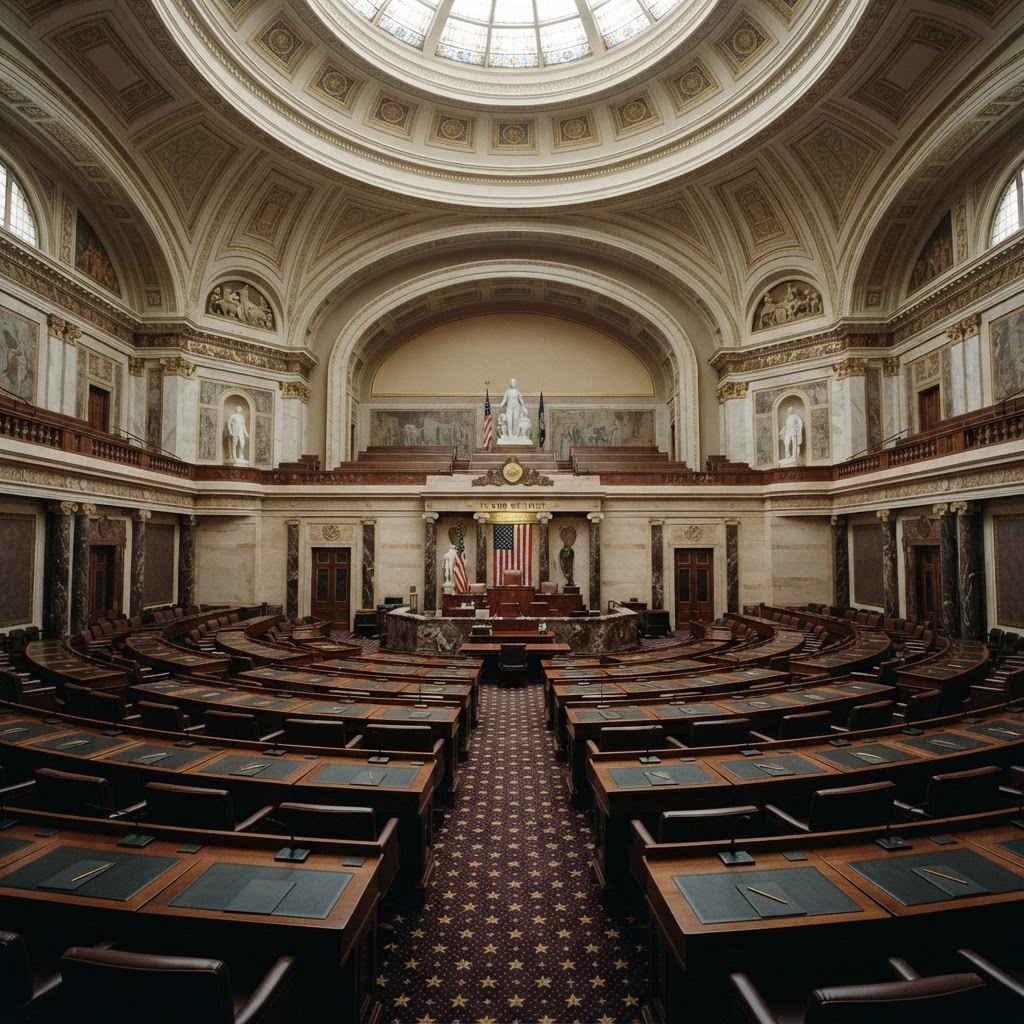
In a significant legal development, the U.S. Court of Appeals for the Fifth Circuit has ruled that a massive $1.7 trillion government funding package, enacted in 2022, was passed in violation of the Constitution. The court’s 9-8 decision centers on the Quorum Clause, which the majority argues requires members of Congress to be physically present to conduct legislative business. The ruling specifically targets the House of Representatives' use of proxy voting, a procedure adopted during the COVID-19 pandemic to allow absent lawmakers to designate colleagues to cast votes on their behalf.
Writing for the majority, Judge Cory Wilson emphasized that while Congress maintains broad authority over its internal procedural rules, it cannot bypass the fundamental constitutional requirement of physical presence. The court noted that during the vote on the Consolidated Appropriations Act of 2023, only 205 members were physically present in the chamber—falling short of the 218-member majority required for a quorum. The majority opinion asserted that proxy presence does not satisfy the constitutional mandate, regardless of the emergency circumstances that prompted the rule's creation.
The legal challenge was initiated by the state of Texas, which sought to block the enforcement of the Pregnant Workers Fairness Act, a provision included within the broader spending bill. While the appellate court upheld an injunction preventing the federal government from enforcing this specific provision against Texas, the ruling’s broader implications remain a subject of intense debate. The decision has sparked concerns regarding the validity of other legislation passed during the period when proxy voting was in effect.
In a sharp dissent, Judge James Graves Jr. criticized the majority for its selective application of the ruling, questioning why the court would invalidate only a small portion of a multi-trillion-dollar bill if the entire legislative process was deemed unconstitutional. Dissenting judges also argued that the Constitution does not explicitly mandate physical presence in the manner interpreted by the majority, suggesting that the court is imposing requirements not found in the text. As the legal community anticipates a likely appeal to the U.S. Supreme Court, the ruling stands as a major challenge to the legislative practices utilized during the pandemic era.
RELATED DISPATCHES
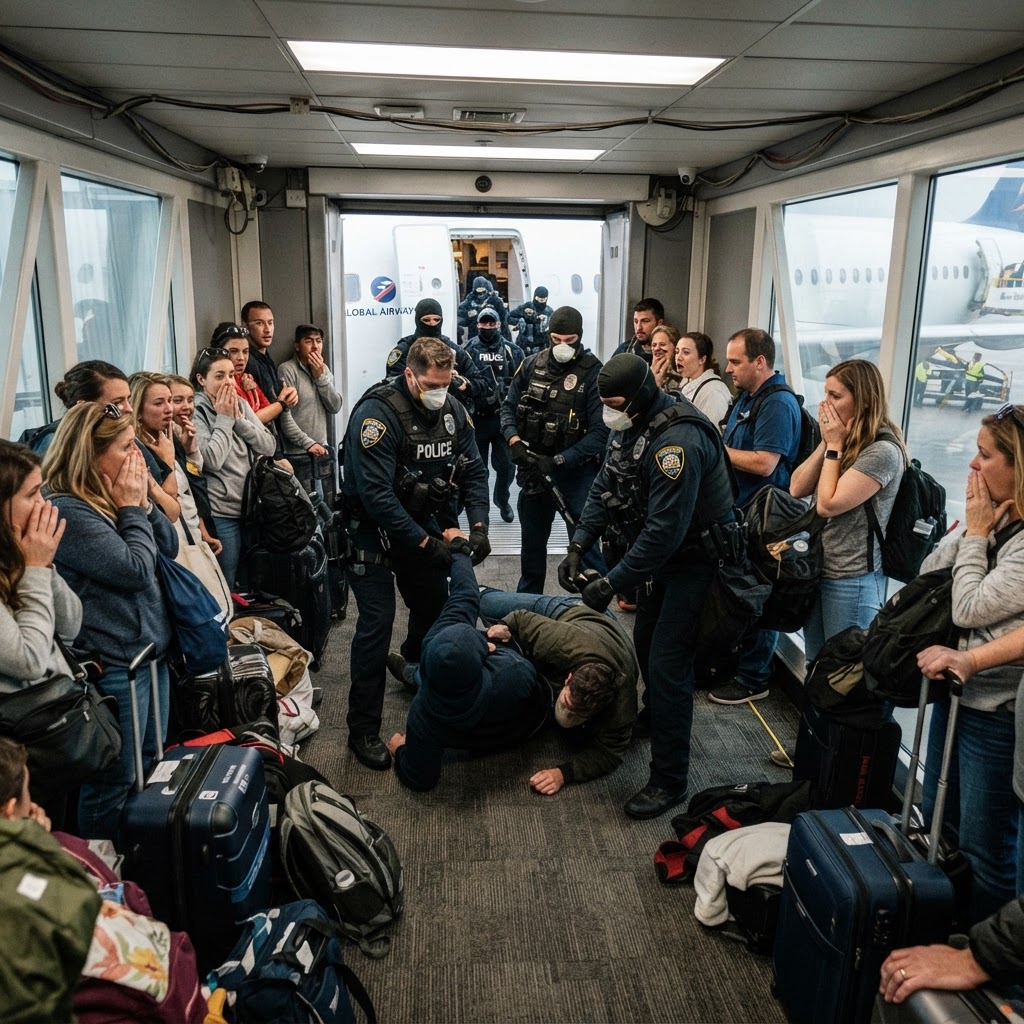
ICE Detainments at Sea-Tac Airport Spark Public and Political Outcry
24 minutes 6 seconds ago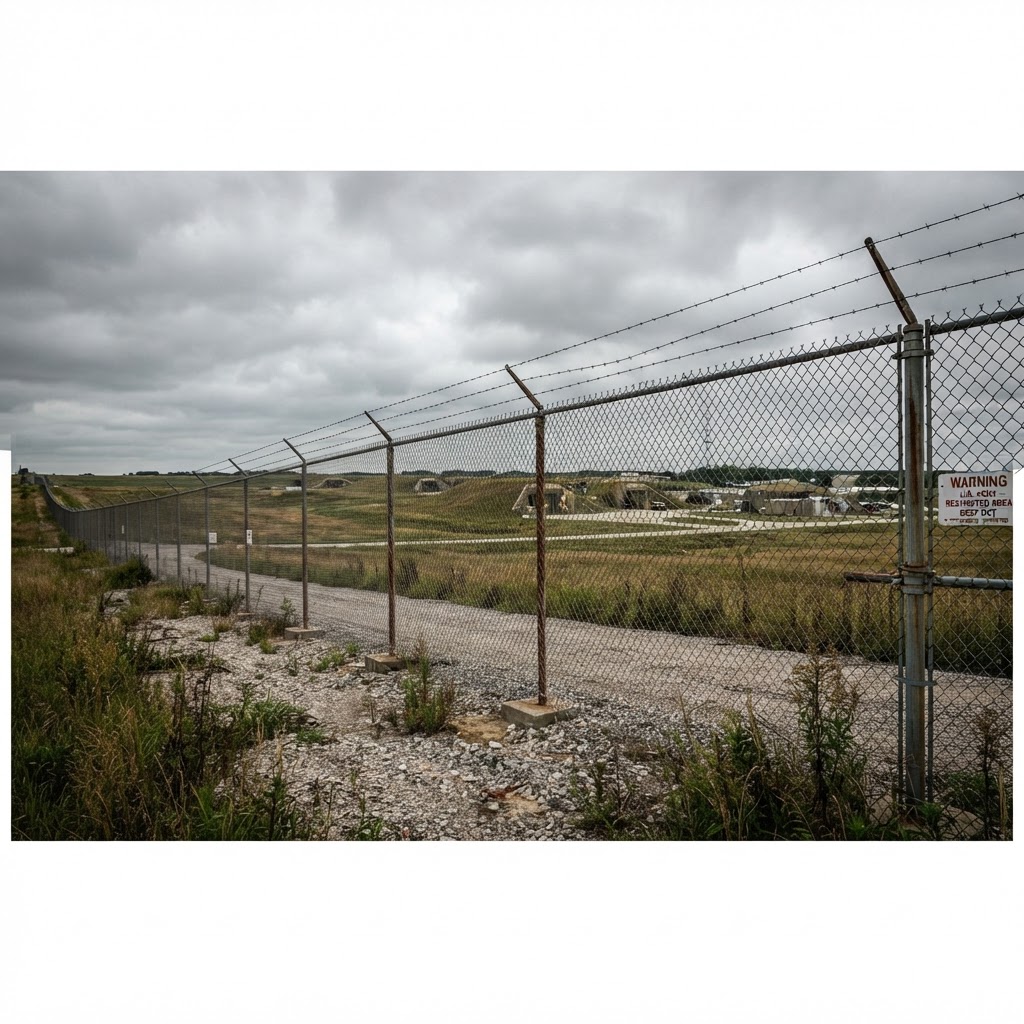
Army Schedules Controlled Detonation of Unstable Explosives in Iowa
24 minutes 24 seconds ago
President Trump Mandates White House Oversight of Contractor Communications with Congress
24 minutes 33 seconds agoDiscussion (0)
No comments yet. Be the first to join the discussion.