Federal Appeals Court Rules 2022 Spending Bill Passage Unconstitutional
A divided Fifth Circuit court finds that pandemic-era proxy voting violated the Constitution's Quorum Clause.
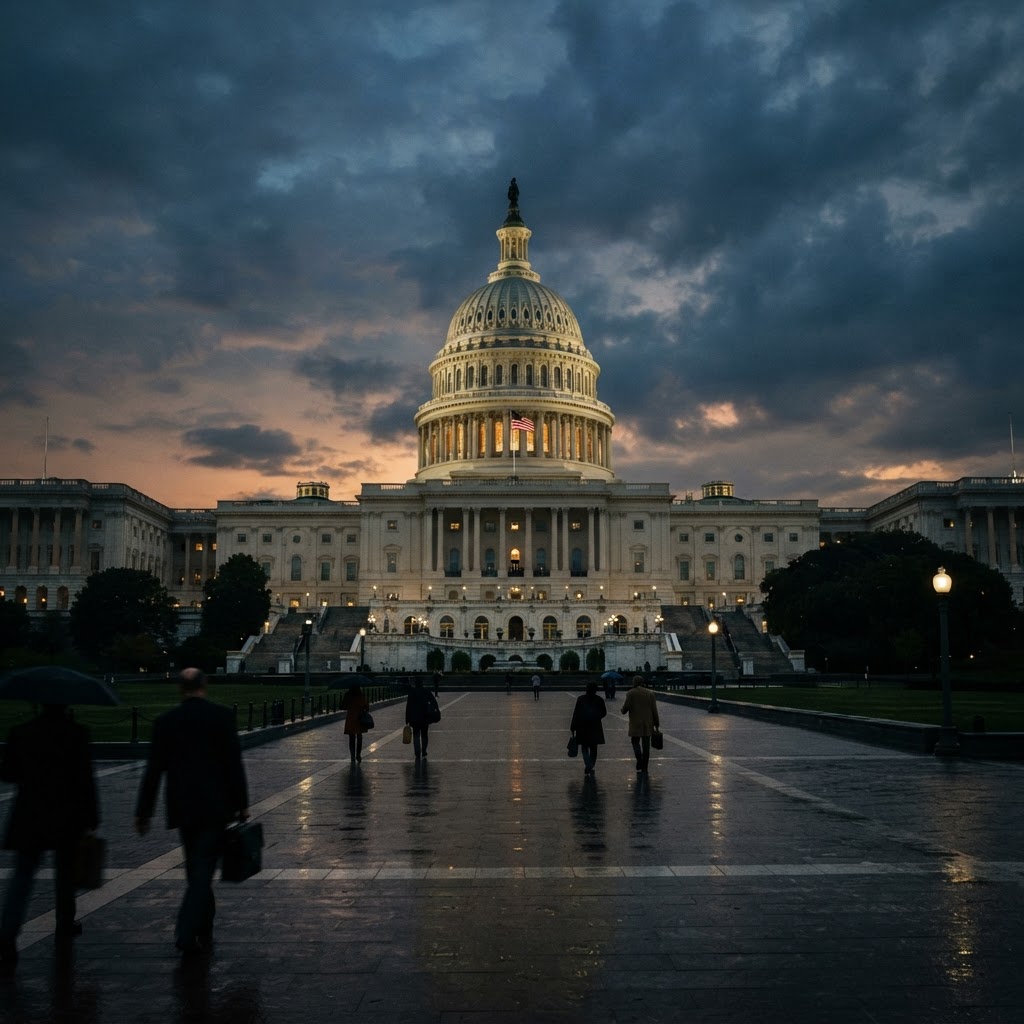
In a significant legal development, the U.S. Court of Appeals for the Fifth Circuit has ruled that the House of Representatives acted unconstitutionally when it passed a massive $1.7 trillion government funding package in 2022. The court’s 9-8 decision centers on the use of proxy voting, a procedure implemented during the COVID-19 pandemic that allowed lawmakers to designate colleagues to cast votes on their behalf while absent from the chamber. The majority opinion concluded that this practice failed to meet the Quorum Clause requirements of the U.S. Constitution, which they interpreted as necessitating the physical presence of a majority of members to conduct official business.
The ruling specifically upholds an injunction that prevents the federal government from enforcing the Pregnant Workers Fairness Act—a provision included within the larger 2023 Consolidated Appropriations Act—against the state of Texas. While the court’s decision is currently limited to this specific enforcement action in Texas, the legal reasoning has sparked widespread debate regarding the validity of other legislation passed under the same proxy rules. Critics of the ruling argue that it undermines the internal procedural authority of the legislative branch, while supporters maintain that the Constitution’s requirements for physical attendance cannot be bypassed by congressional rules.
Writing for the majority, U.S. Circuit Judge Cory Wilson emphasized that the constraints of the Quorum Clause cannot be circumvented by legislative fiat. The court noted that during the December 2022 vote, only 205 members were physically present, falling short of the 218 required for a quorum in the 435-seat House. The remaining votes were cast via proxy, a method the court determined does not satisfy the constitutional definition of presence.
This decision marks a major victory for outgoing Texas Attorney General Ken Paxton, who spearheaded the legal challenge. Although the ruling does not invalidate the entire $1.7 trillion spending package nationwide, it creates a complex legal landscape for future challenges to laws enacted during the pandemic era. Legal experts suggest that the case is likely headed to the Supreme Court, as the implications of the ruling could potentially threaten the standing of numerous other federal statutes passed while the proxy voting rule was in effect.
RELATED DISPATCHES


Discussion (0)
No comments yet. Be the first to join the discussion.