Far-Right Influence Reshapes European Migration Policy Following Ceuta Crisis
Once-marginal political factions now dictate the continent's response to border instability, leaving Spain isolated.
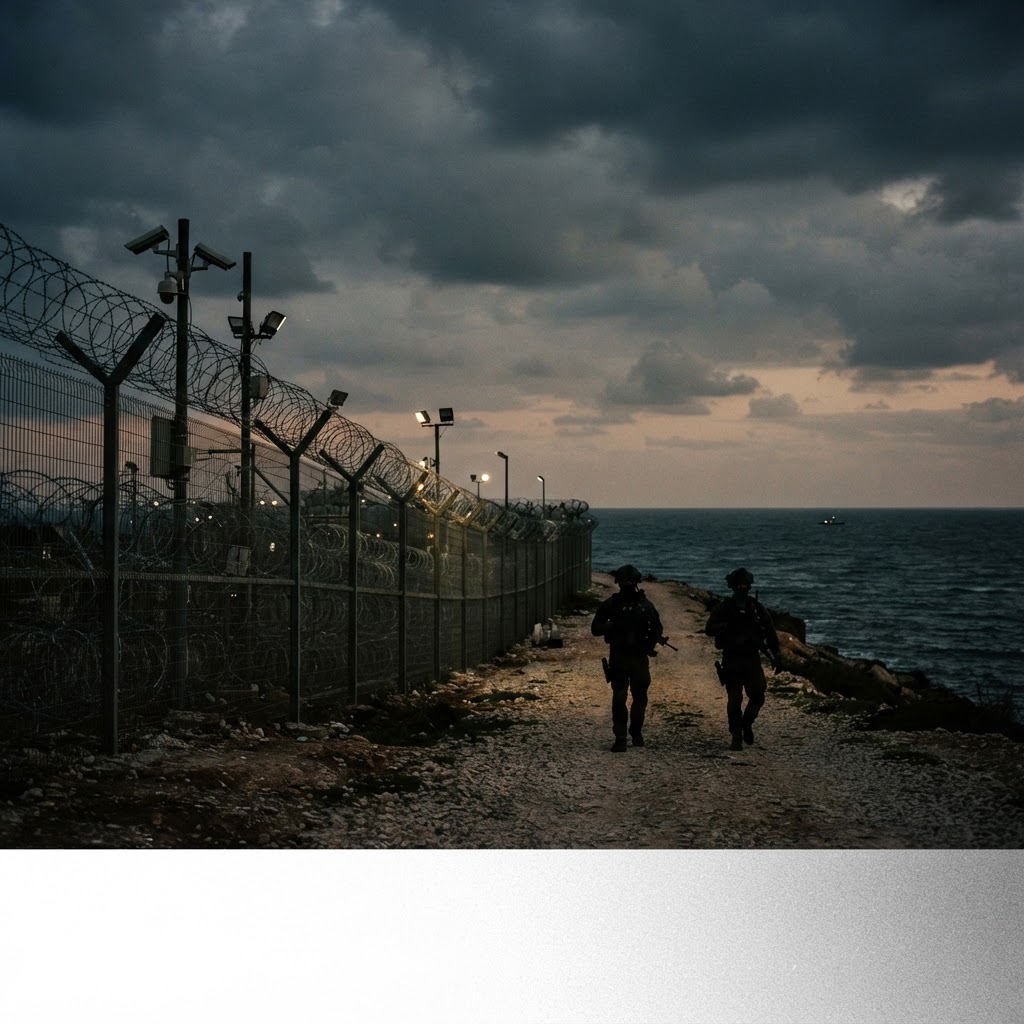
The recent mass influx of migrants into the Spanish enclave of Ceuta has served as a flashpoint for a broader political transformation across Europe. While the immediate crisis saw thousands of individuals cross into the territory before most were returned to Morocco, the event has exposed deep fractures within the European Union. Unlike the 2015 migration crisis, where the bloc largely prioritized humanitarian responses, the current climate is defined by a decisive shift toward hard-line security measures and restrictive border policies.
Political analysts note that far-right parties, which were largely on the periphery a decade ago, now hold significant sway over the European political agenda. With nearly one in four European voters now supporting these factions, centrist leaders are increasingly adopting the rhetoric and policy proposals of their right-wing counterparts to avoid electoral backlash. This ideological realignment has effectively moved the center of gravity in European politics, forcing even liberal-leaning governments to prioritize fortification over open-door policies.
Spain’s Prime Minister, Pedro Sánchez, has found his government increasingly isolated, facing sharp criticism from EU allies who view his administration’s approach as overly permissive. Tensions reached a breaking point when Italian Prime Minister Giorgia Meloni announced a suspension of the Schengen agreement with Spain, citing security concerns. Madrid has condemned these actions as selfish and politically motivated, arguing that European partners are weaponizing the Ceuta crisis to advance a restrictive migration narrative rather than offering genuine solidarity.
This hardening of policy is not merely rhetorical; it is being codified into law. Recent votes in the European Parliament have seen center-right and far-right coalitions align to push through measures such as the establishment of offshore 'return hubs' and accelerated deportation frameworks. As these policies gain momentum, the influence of the far right continues to grow, transforming the continent's approach to migration from a humanitarian challenge into a strictly securitized border issue.
RELATED DISPATCHES

Senator Tillis Criticizes Trump’s Russia Policy, Claims Putin Is Manipulating Him
3 hours 55 minutes ago
Trump Faces Backlash for Using Antisemitic Slur During Kansas Rally
3 hours 55 minutes ago
Putin’s Strategic Gains: Normalizing U.S. Ties Without Compromise
7 hours 56 minutes agoDiscussion (0)
No comments yet. Be the first to join the discussion.