Far-Right Influence Grows Amid Ceuta Migration Crisis
The recent surge of migrants into the Spanish enclave of Ceuta has empowered populist movements to reshape European border policy.

The recent mass arrival of thousands of migrants into the Spanish enclave of Ceuta has triggered a significant political shift across the European Union. While the immediate crisis saw many individuals return to Morocco, the event has provided a powerful platform for far-right political factions to challenge existing migration frameworks. These groups have successfully framed the incident as evidence of failing border security, effectively pushing their restrictive agendas into the mainstream of European discourse.
In the aftermath of the surge, which resulted in dozens of tragic deaths, anti-immigrant politicians across nations like Italy, France, and Britain utilized social media to amplify fears of an 'invasion.' By characterizing the situation in apocalyptic terms, these movements have pressured centrist leaders to adopt a more hard-line stance on migration. This shift has left Spain’s socialist government, led by Prime Minister Pedro Sánchez, increasingly isolated as it faces criticism from both domestic opponents and European partners.
Diplomatic tensions reached a boiling point during recent emergency discussions among EU interior ministers. While the bloc eventually expressed formal solidarity with Spain, the underlying friction remains palpable. Italy, under the leadership of Prime Minister Giorgia Meloni, notably moved to suspend Schengen agreements with Spain, citing security concerns. This reaction highlights how populist rhetoric is now dictating the pace and tone of European policy, often overriding traditional diplomatic cooperation.
Analysts note that the Ceuta crisis serves as a case study for how fringe political movements leverage localized emergencies to influence continental policy. By focusing on the optics of the border breach rather than the complex realities of migration, these parties have successfully shifted the political center of gravity. As the EU prepares for further debates on migration measures, the influence of these anti-migration agendas continues to grow, signaling a potentially permanent change in how Europe manages its external borders.
RELATED DISPATCHES
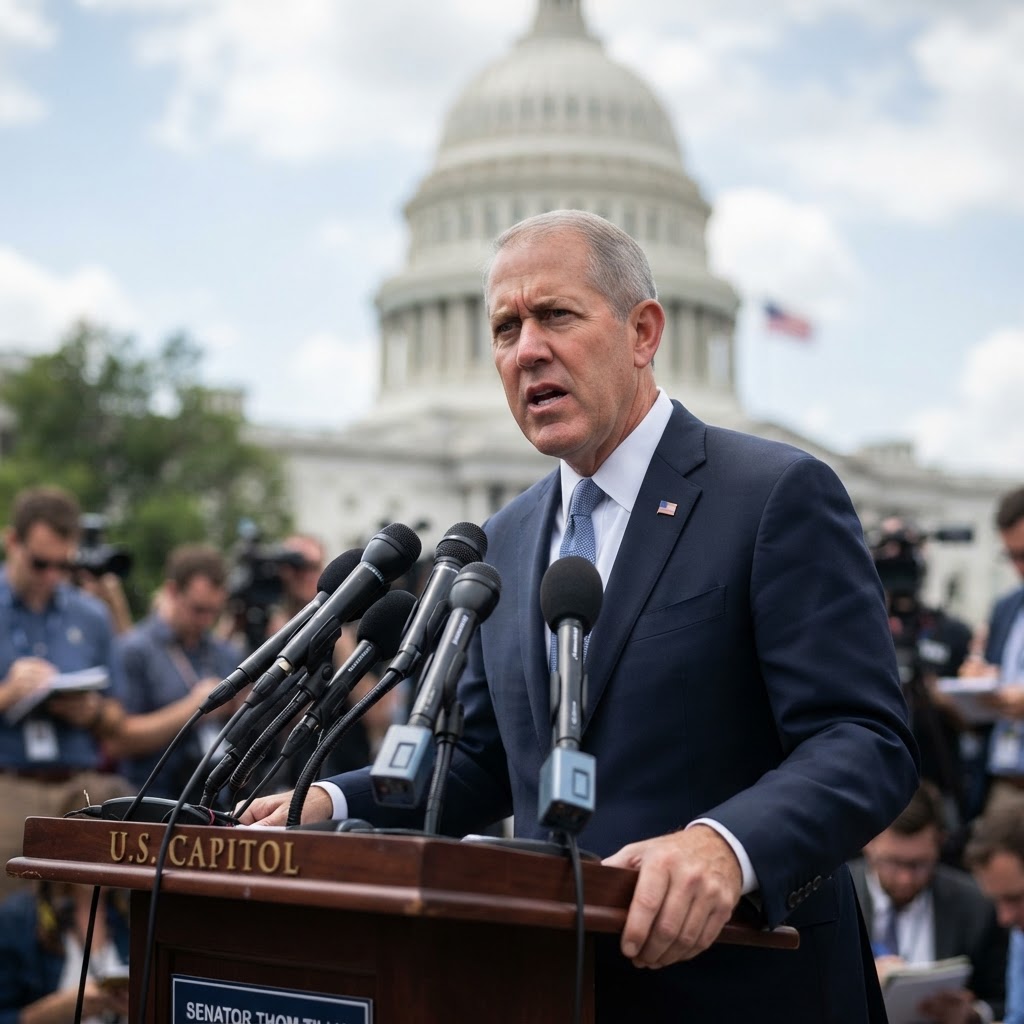
Senator Tillis Criticizes Trump’s Russia Policy, Claims Putin Is Manipulating Him
1 hour 53 minutes ago
Trump Faces Backlash for Using Antisemitic Slur During Kansas Rally
1 hour 53 minutes ago
Putin’s Strategic Gains: Normalizing U.S. Ties Without Compromise
5 hours 54 minutes agoDiscussion (0)
No comments yet. Be the first to join the discussion.