Europe’s Energy Market Volatility Signals Economic Headwinds
Persistent gas supply concerns and market instability threaten to dampen the region's economic recovery and increase cost-of-living pressures.
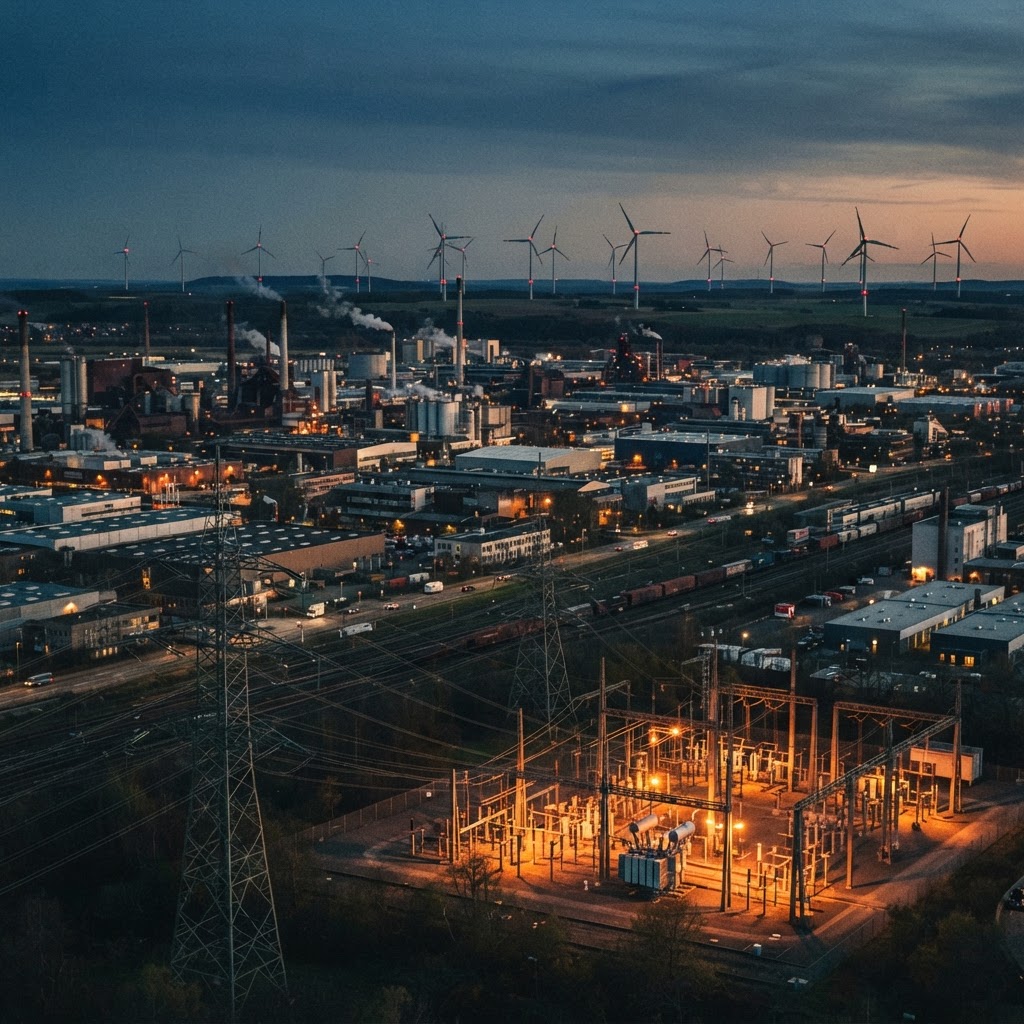
Europe is currently navigating a precarious energy landscape as wholesale gas and electricity markets exhibit renewed signs of instability. Despite significant progress in expanding renewable energy capacity, the continent remains vulnerable to external supply shocks. Recent geopolitical tensions, particularly the ongoing conflict involving Iran, have caused wholesale gas prices to surge, forcing the region to grapple with the necessity of replenishing depleted storage reserves ahead of winter. This structural reliance on global liquefied natural gas (LNG) markets means that any disruption in supply chains can quickly translate into broader economic consequences.
At the heart of the issue is the marginal pricing mechanism used in European electricity markets. Because gas-fired power plants are frequently the final, most expensive source required to meet peak demand, their high operating costs often dictate the price for the entire electricity grid. While the increasing share of wind and solar power has helped dampen this effect in some regions, the inherent variability of these sources means that when renewable output drops, the system must pivot back to gas, triggering sharp price spikes that ripple through the economy.
These fluctuations are not merely technical market issues; they represent a significant risk to macroeconomic stability. Analysts warn that while retail price protections have shielded many households from the immediate impact of wholesale volatility, these support measures are increasingly costly and temporary. As governments look to phase out subsidies, consumers face the prospect of higher energy bills in the coming years, which could further suppress household spending and complicate inflation management.
Furthermore, the lack of uniform energy infrastructure across the continent exacerbates these challenges. Regional price disparities persist due to limited cross-border interconnections, preventing cheaper, renewable-generated electricity from reaching areas where it is most needed. This fragmentation forces some nations to rely on more expensive, local fossil-fuel generation, leaving them disproportionately exposed to global price swings.
To mitigate these risks, policymakers are emphasizing the need for greater system flexibility, including expanded battery storage and demand-response initiatives. While the transition to a greener energy mix is ultimately the most effective long-term shock absorber against fossil fuel dependence, the current period of transition remains fraught with uncertainty. As the G7 and EU leaders coordinate efforts to stabilize supplies, the primary challenge remains balancing the need for efficient market price signals with the urgent requirement to protect industrial competitiveness and citizen well-being.
RELATED DISPATCHES


Discussion (0)
No comments yet. Be the first to join the discussion.