Escalating Tensions Fuel Fears of Prolonged U.S.-Iran Conflict
Renewed hostilities and failed diplomatic efforts have heightened concerns over a widening regional war.
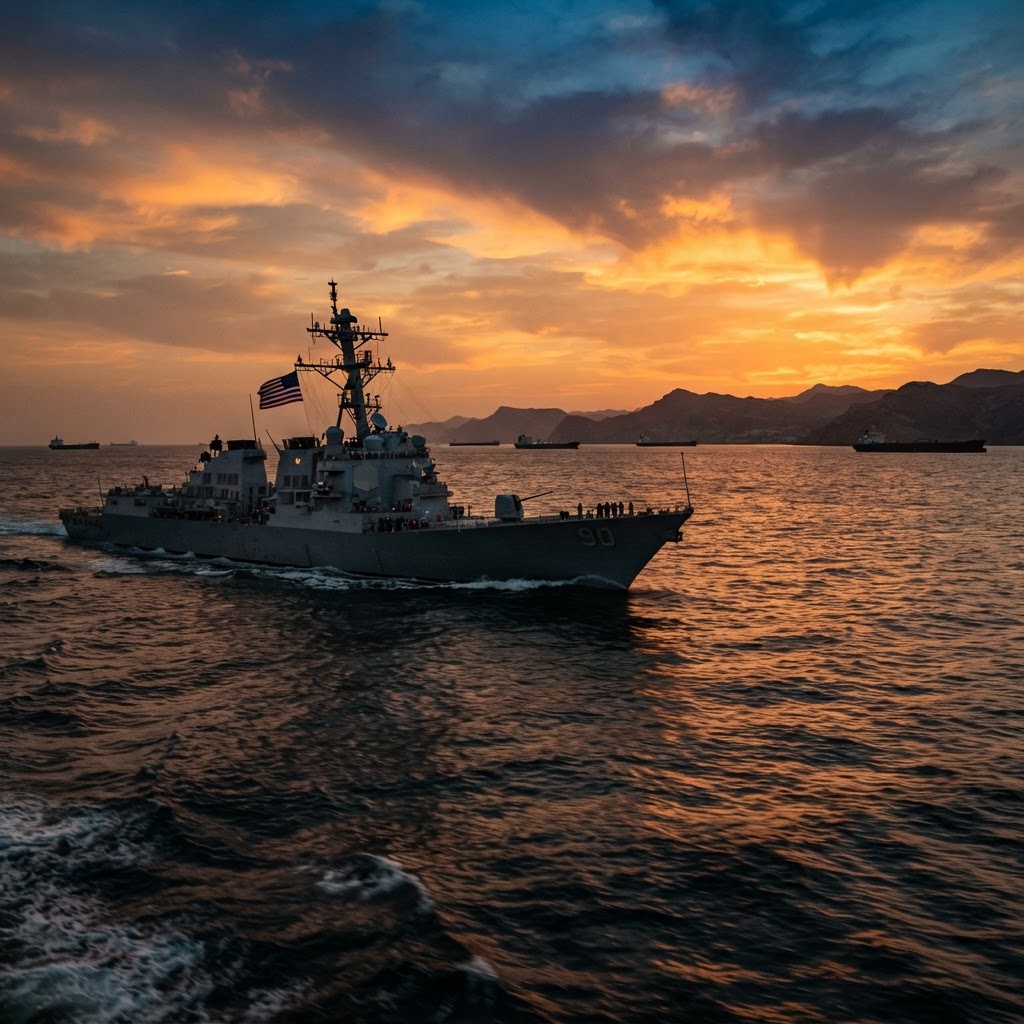
The ongoing confrontation between the United States and Iran has entered a volatile new phase, with military engagements intensifying across the Middle East. Following the collapse of previous ceasefire agreements, both nations have engaged in a cycle of strikes and retaliatory actions. Recent reports indicate that U.S. forces have conducted operations targeting Iranian radar systems and maritime capabilities, while Tehran has responded with drone and missile volleys directed at regional bases. The Strait of Hormuz remains a primary flashpoint, as both sides vie for control over this critical maritime corridor, leading to significant disruptions in global shipping and energy markets.
Diplomatic channels appear largely stalled, with leadership in Washington signaling a lack of interest in immediate negotiations. President Donald Trump has publicly characterized the ceasefire as defunct, while Iranian officials have issued stern warnings regarding further military escalation. This breakdown in communication has left international observers deeply concerned about the potential for a full-scale regional war. The conflict has expanded beyond direct U.S.-Iran clashes, drawing in various regional actors and proxy groups, further complicating the security landscape.
Strategic analysts are closely monitoring the situation, noting that the conflict has evolved into a persistent, low-level war of attrition. With the U.S. maintaining a naval blockade on Iranian ports and Tehran continuing to leverage its regional alliances, the risk of miscalculation remains high. Critical infrastructure and energy facilities throughout the Gulf states are increasingly viewed as vulnerable targets, raising the stakes for global economic stability.
As the situation develops, the international community is bracing for the possibility of a long-term struggle. With no clear path to a diplomatic resolution, the focus has shifted toward managing the immediate fallout of the hostilities. The combination of military posturing and the absence of a viable peace framework suggests that the Middle East security crisis will continue to dominate the geopolitical agenda for the foreseeable future.
RELATED DISPATCHES

Corruption Emerges as a Defining and Costly Battleground in 2026 Midterms
32 minutes 27 seconds ago
Federal Judge Blocks Trump Administration Bid to Segregate California Ballots
32 minutes 36 seconds ago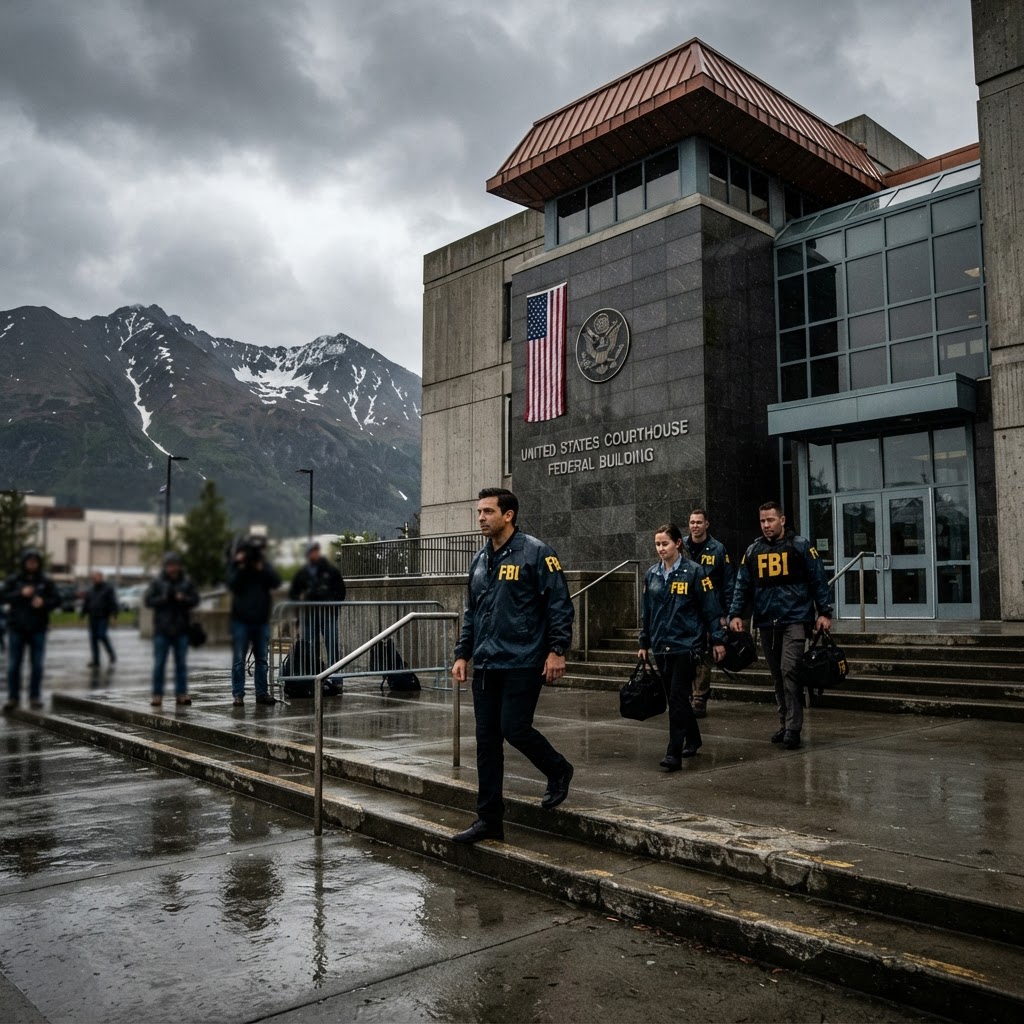
Federal Criminal Probe Into Alaska Senate Race Intensifies
32 minutes 45 seconds agoDiscussion (0)
No comments yet. Be the first to join the discussion.