Economic Strains and Energy Shortages Grip Pakistan
Rising LPG costs and persistent structural challenges highlight the ongoing economic difficulties facing the nation.
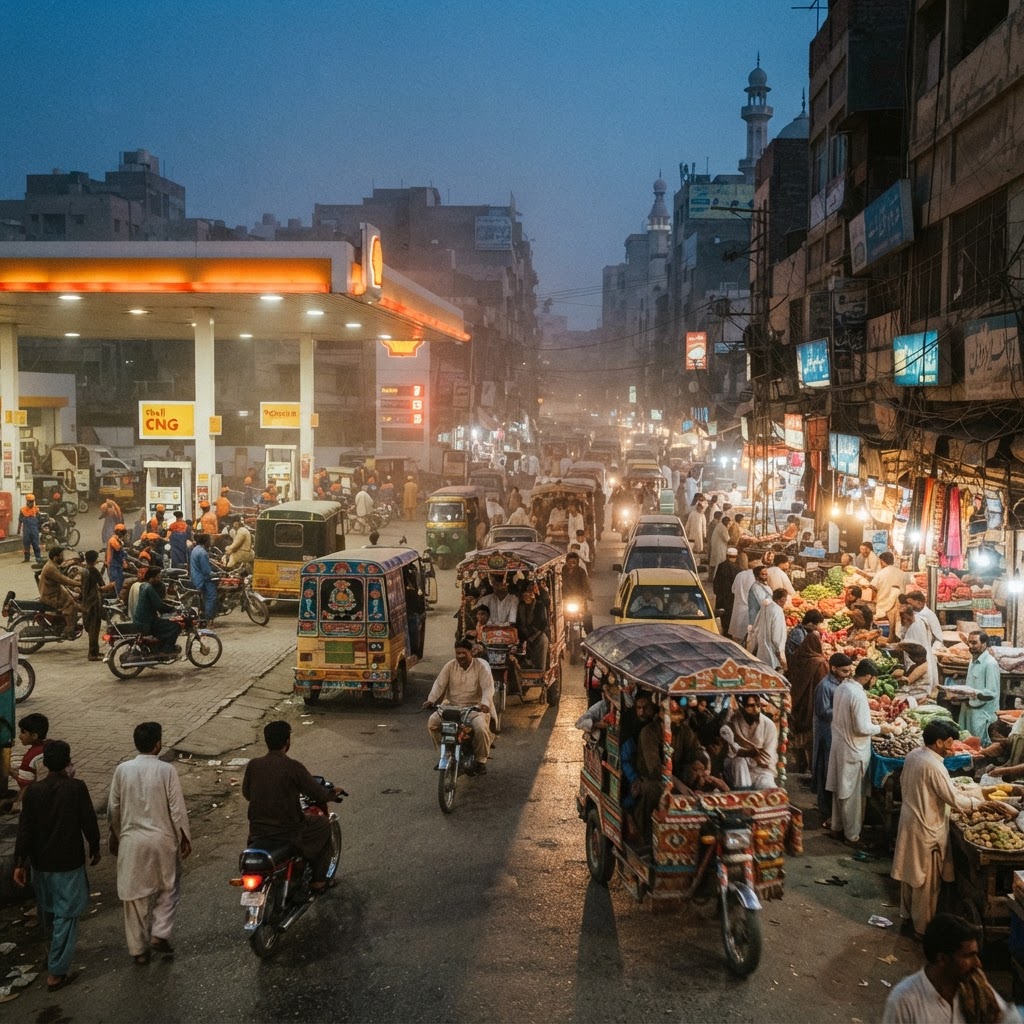
As of early November 2026, Pakistan is navigating a complex economic landscape defined by a paradox of macroeconomic stabilization efforts and significant domestic hardships. While some indicators suggest a degree of stabilization, the daily reality for many citizens remains difficult, marked by soaring energy costs and supply chain disruptions. Most notably, the open market price for Liquefied Petroleum Gas (LPG) has surged to approximately Rs. 630 per kilogram, nearly double the government-notified rates, prompting industry associations to announce a nationwide strike scheduled for mid-November.
These energy pressures are compounded by a broader infrastructure crisis. The Sui gas company has extended an indefinite ban on new domestic gas connections, citing severe shortages and systemic supply issues. These utility challenges are further exacerbated by the country's reliance on a narrow export base, primarily textiles, which leaves the economy vulnerable to global shocks and internal policy inconsistencies.
Political instability continues to be a primary driver of economic uncertainty. Analysts note that recurring protests and policy shifts have hindered long-term investment, as businesses struggle to operate in an environment where regulatory credibility is frequently tested. The Federal Board of Revenue (FBR) recently missed its October tax collection target by Rs. 156 billion, underscoring the fiscal pressure on the state as it attempts to balance development needs with limited revenue.
Despite these hurdles, the government is pursuing various initiatives to foster growth and regional connectivity. Recent developments include the inauguration of the Pakistan-China Friendship Hospital in Islamabad and the resumption of direct flights between Pakistan and China. Furthermore, the country has assumed the chairmanship of the SCO Interbank Consortium for 2026-27, signaling an intent to remain active in regional financial cooperation even as it grapples with internal structural reforms.
RELATED DISPATCHES
Discussion (0)
No comments yet. Be the first to join the discussion.