Economic Challenges and Hunger Crisis Persist in Pakistan
As Pakistan navigates a complex economic landscape, the nation faces significant hurdles regarding food security and growth projections.
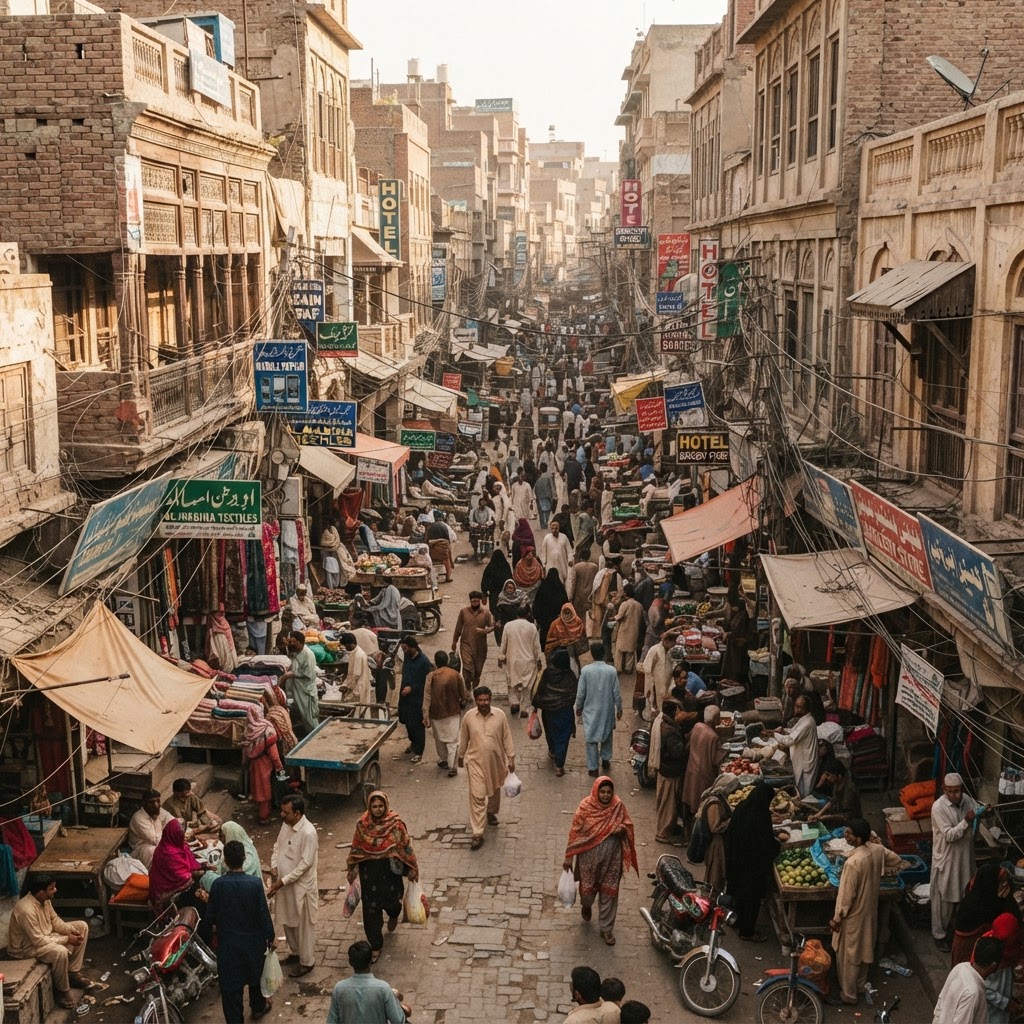
The economic outlook for Pakistan remains a subject of intense scrutiny as the nation balances tentative international support with domestic instability. Recent reports indicate that the International Monetary Fund (IMF) has reached a $1.21 billion bailout agreement with the country, a move intended to stabilize an economy heavily impacted by regional tensions and energy import dependencies. Despite this, the IMF has projected a modest economic growth rate of 3.5% for the current fiscal year, falling short of the government's ambitious 4% target.
Inflation continues to be a primary concern for policymakers and citizens alike. While headline inflation showed a slight easing to 10.3% in September, projections suggest it may hover near double digits throughout the year. The Pakistan Rupee has also experienced fluctuations, trading near 276.8 against the US dollar, reflecting the ongoing pressure on the nation's currency markets.
Beyond macroeconomic indicators, a deepening hunger crisis has emerged as a critical humanitarian issue. Recent data highlights that Pakistan is among the nations most severely affected by food insecurity in South Asia. With poverty rates rising significantly over the past few years, a substantial portion of the population is struggling to access essential resources, with some regions facing conditions categorized as near-famine levels.
In response to these fiscal pressures, the government is exploring various avenues for recovery, including plans to raise over $1 billion through privatization efforts. While officials remain committed to structural reforms to satisfy international lenders, the immediate reality for many remains defined by the dual burden of high living costs and limited food access. The path forward requires a delicate balance between meeting international financial obligations and addressing the urgent needs of the most vulnerable segments of society.
RELATED DISPATCHES
Discussion (0)
No comments yet. Be the first to join the discussion.