Economic and Security Challenges Shape Current Landscape in Pakistan
From rising fuel costs to regional security concerns, Pakistan navigates a complex week of policy shifts and economic adjustments.
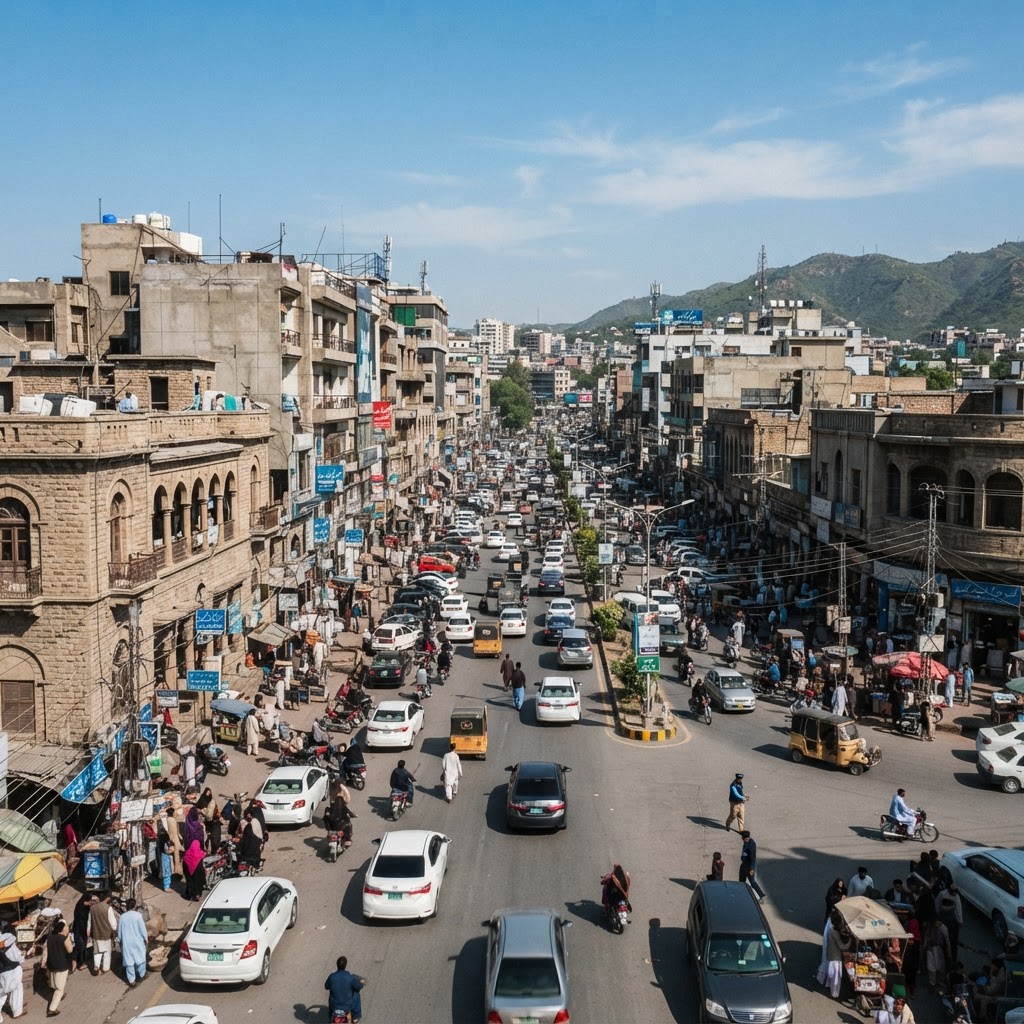
As of late October 2026, Pakistan is navigating a multifaceted series of national developments ranging from economic policy adjustments to ongoing security operations. The government has recently implemented a hike in fuel prices, with petrol and diesel costs rising, a move that analysts warn may further strain transport and freight expenses across the country. Simultaneously, the State Bank of Pakistan has adjusted its monetary stance, raising the policy rate by 50 basis points to 12% in response to mounting economic risks.
In the realm of governance and infrastructure, authorities are moving forward with significant structural reforms. A notable proposal involves the merger of the Privatisation Commission and the Public-Private Partnership Authority into a single, unified institution to streamline operations. Furthermore, the federal government has greenlit a $200 million World Bank-funded reform program specifically targeted at Khyber Pakhtunkhwa, aiming to bolster development in the province.
Security remains a primary focus for the state. Officials have firmly rejected claims from Kabul regarding civilian casualties during counter-terror operations, maintaining that such allegations are baseless. Meanwhile, security forces continue to conduct intelligence-based operations, including recent actions in Balochistan. The military leadership has pledged continued and stern action against threats, emphasizing the necessity of maintaining stability in the region.
On the international front, Pakistan continues to engage in diplomatic efforts to manage regional dynamics. Discussions with neighboring nations, including Iran, have focused on maintaining open borders and facilitating trade despite logistical hurdles. Additionally, the country is actively pursuing economic partnerships, as evidenced by recent webinars highlighting potential collaborations with Russia in the sectors of energy, agriculture, and education.
RELATED DISPATCHES

PPP invites opposition to join electoral reforms committee
41 minutes 11 seconds ago
Strong public reaction to sit-in by riotous mob and road blockades in Rawalakot
42 minutes 5 seconds ago
Solution to problems of Khyber Pakhtunkhwa universities, important decisions in Vice Chancellors conference
43 minutes 29 seconds agoDiscussion (0)
No comments yet. Be the first to join the discussion.