DOJ Files Lawsuit to Halt Alaska Senate Certification in Event of GOP Loss
The Justice Department is seeking to block election results in Alaska, citing potential voter confusion over candidates with identical names.
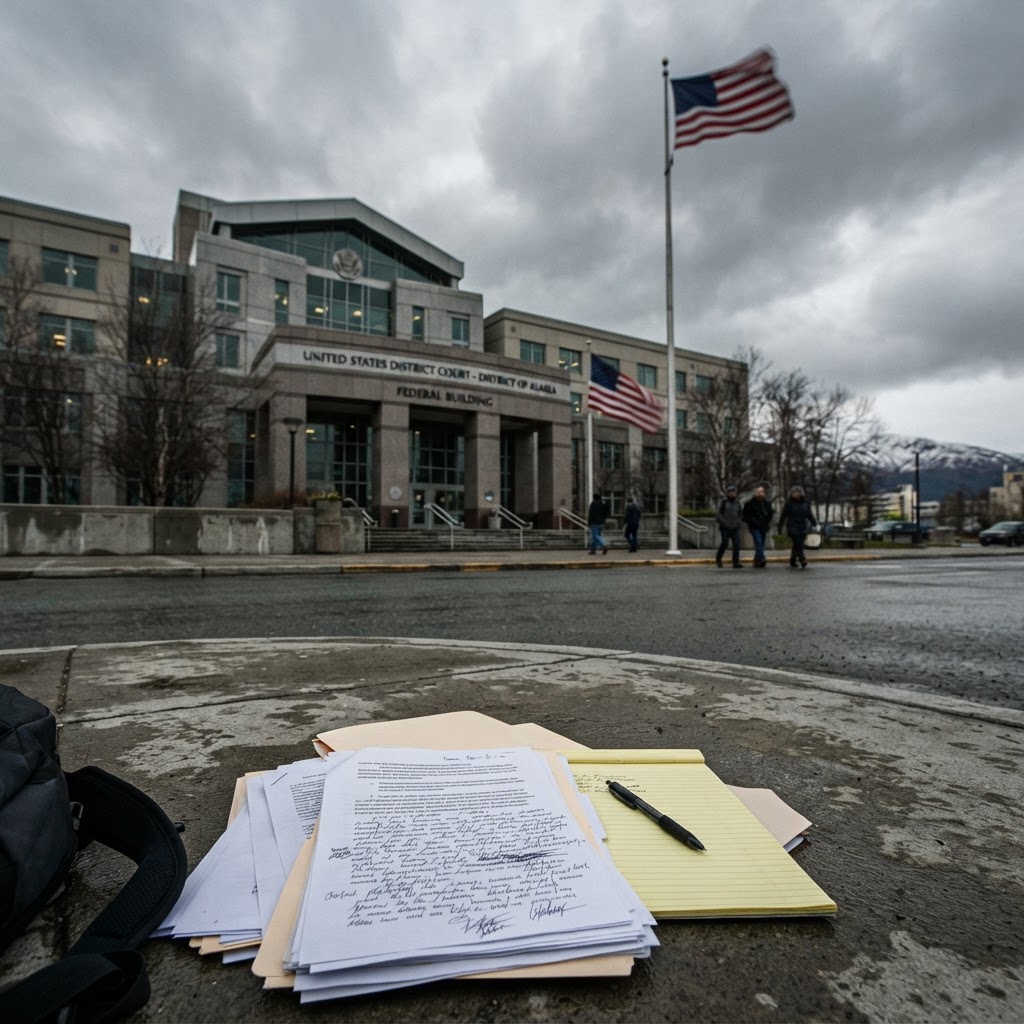
The U.S. Department of Justice has initiated a legal challenge in Alaska, aiming to prevent state officials from certifying the results of the upcoming U.S. Senate election should the Republican incumbent, Senator Dan Sullivan, fail to secure a victory. The lawsuit, filed in federal court, argues that the presence of another candidate on the ballot who shares the same name as the incumbent could lead to significant voter confusion, potentially skewing the final outcome in favor of his Democratic challenger, Mary Peltola.
Federal authorities contend that the inclusion of the namesake challenger creates an unfair electoral environment. The suit suggests that if the incumbent loses, the state should refrain from finalizing the results until an investigation can determine whether voters were misled. This move has drawn sharp criticism from legal experts, many of whom argue that the pre-emptive nature of the lawsuit lacks a clear legal foundation and is unlikely to succeed in court.
Attorney General Todd Blanche has defended the administration's actions, asserting that the department is not attempting to halt the democratic process entirely. Instead, Blanche claims the goal is to ensure that the election results are accurate and that any potential legal issues regarding ballot integrity are addressed before certification. He emphasized that the department is focused on upholding the law, though critics view the intervention as an attempt to influence the balance of power in the Senate.
In response, Democratic representatives and the Peltola campaign have filed motions to dismiss the federal effort, noting that the issue of the namesake candidate was already litigated and resolved by the Alaska Supreme Court earlier this year. State officials in Alaska have indicated they are reviewing the federal filing, while the broader political landscape remains tense as the midterm elections approach. The case highlights ongoing debates regarding federal oversight of state-run elections and the limits of executive authority in electoral disputes.
RELATED DISPATCHES

Discussion (0)
No comments yet. Be the first to join the discussion.