Debate Over Administrative Restructuring Gains Momentum in Pakistan
Government officials explore the potential creation of new provinces to enhance governance and public service delivery.
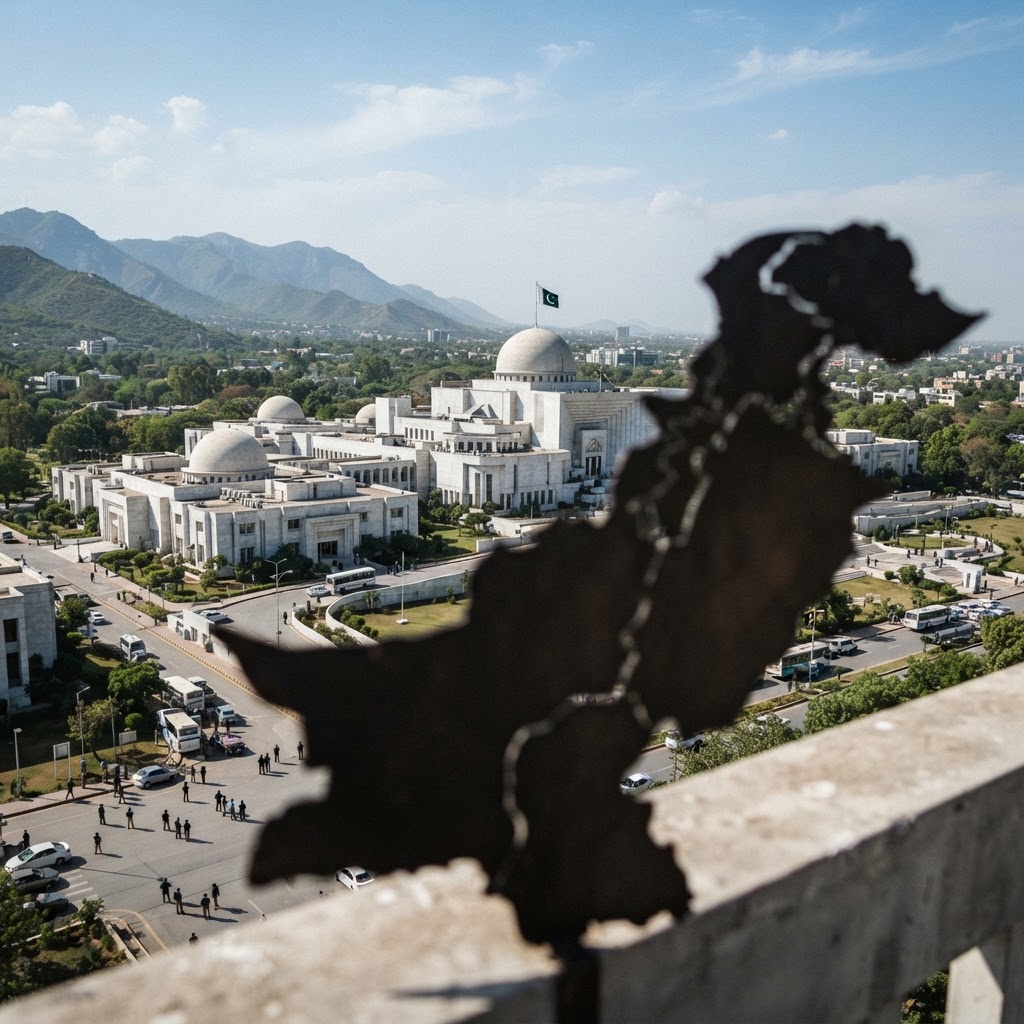
A significant conversation regarding the administrative future of Pakistan has emerged, with senior government officials publicly supporting the potential creation of new provinces. Defence Minister Khawaja Asif recently advocated for the establishment of up to 12 provinces, arguing that a more decentralized structure is essential to bring government services closer to the populace and ensure more equitable development across the country.
The proposal aims to address long-standing challenges in governance and resource distribution. Proponents of the plan emphasize that any redrawing of the administrative map must be grounded in administrative necessity rather than being driven by linguistic, ethnic, or narrow political agendas. This approach seeks to improve the efficiency of public institutions and foster more effective local governance.
While the idea has gained traction in political circles, including support from figures like Interior Minister Mohsin Naqvi, the path forward remains complex. Experts note that transitioning to a new provincial structure would require a comprehensive roadmap, addressing critical issues such as the demarcation of boundaries, the allocation of financial resources, and the future of existing provincial institutions.
As the nation looks toward potential constitutional restructuring in 2027, the debate highlights a broader push for reform. Prime Minister Shehbaz Sharif has been actively consulting with party leadership regarding national economic and political challenges, signaling that the government is prioritizing systemic improvements to stabilize the country's administrative and economic landscape.
RELATED DISPATCHES
Discussion (0)
No comments yet. Be the first to join the discussion.