Cyclone Arnab Leaves Trail of Destruction Across India
Severe weather claims five lives in Andhra Pradesh as recovery efforts begin following the storm's landfall.
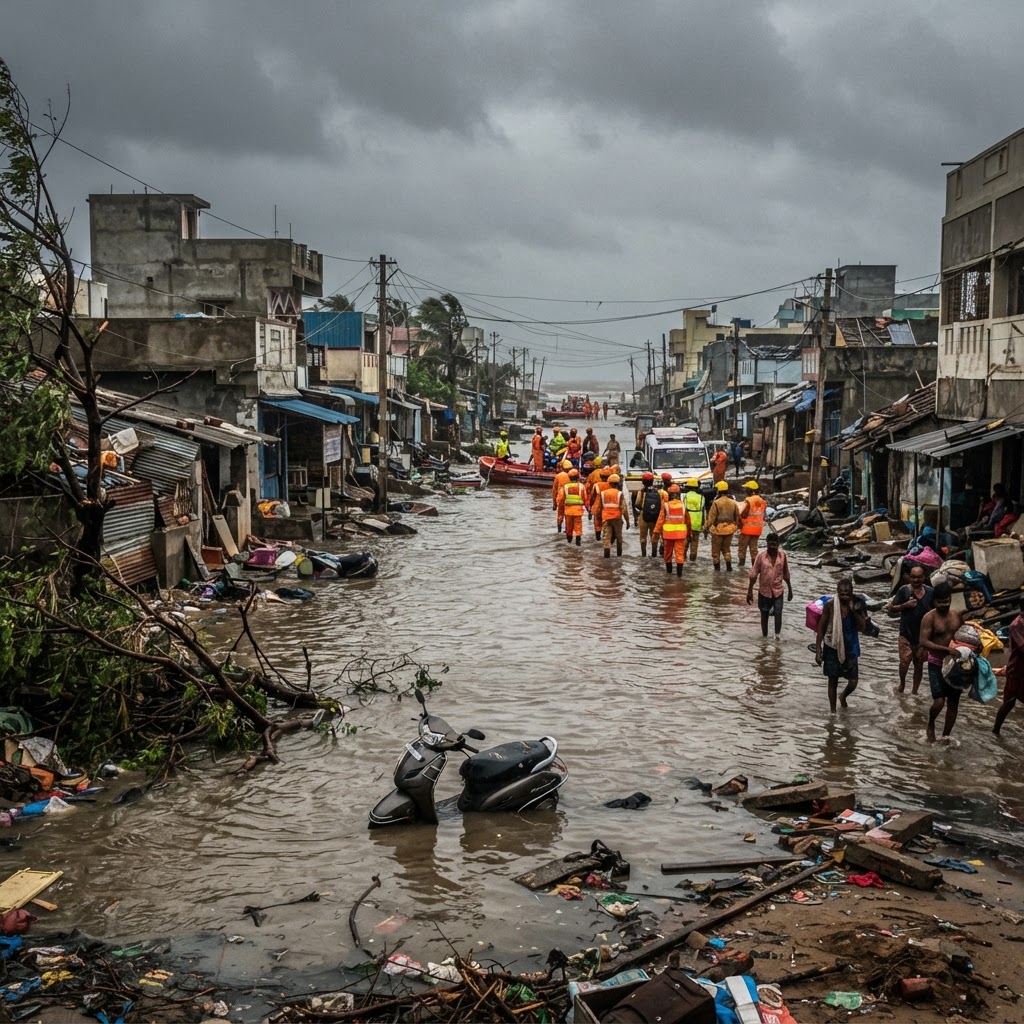
The eastern coast of India is currently grappling with the aftermath of Cyclone Arnab, a powerful storm system that made landfall between the Andhra Pradesh and Yanam coasts earlier this week. The severe weather event, which brought sustained wind speeds reaching up to 150 kmph, has resulted in the tragic loss of five lives in Andhra Pradesh. Authorities have been working around the clock to manage the impact of the storm, which triggered heavy rainfall and caused localized disruptions across the region.
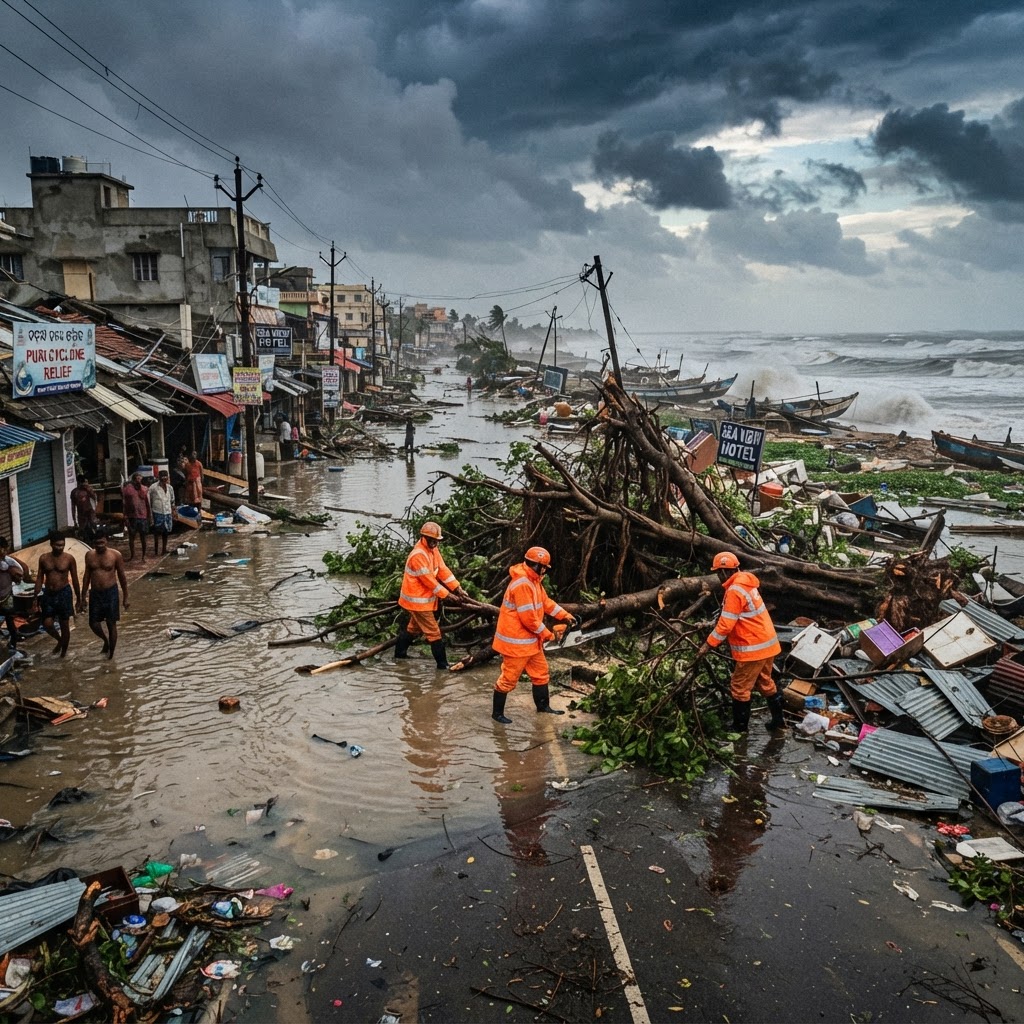
In the wake of the cyclone, government officials, including Union Minister Ashwini Vaishnaw, have been actively reviewing the ground situation to coordinate relief and restoration efforts. While the storm has since weakened, emergency response teams were deployed to address reports of fallen trees and minor infrastructure damage across several locations. The India Meteorological Department (IMD) had closely monitored the cyclone's trajectory, providing timely alerts that allowed for the evacuation of thousands of residents in vulnerable coastal areas.
Beyond the immediate weather crisis, the national political landscape remains active. The INDIA bloc is preparing for a significant rally at New Delhi's Ramlila Maidan, signaling a continued push for their political agenda. Meanwhile, the central government has announced a 3% increase in dearness allowance for its employees, providing a measure of financial relief amidst ongoing economic discussions.
Diplomatic developments are also in focus, as India has extended an invitation to Pakistan to attend an upcoming Shanghai Cooperation Organisation (SCO) meeting in New Delhi. This move marks a notable diplomatic gesture in the current regional climate. As the country balances disaster recovery with these broader national and international priorities, authorities continue to emphasize the importance of preparedness and public safety.
RELATED DISPATCHES

Discussion (0)
No comments yet. Be the first to join the discussion.